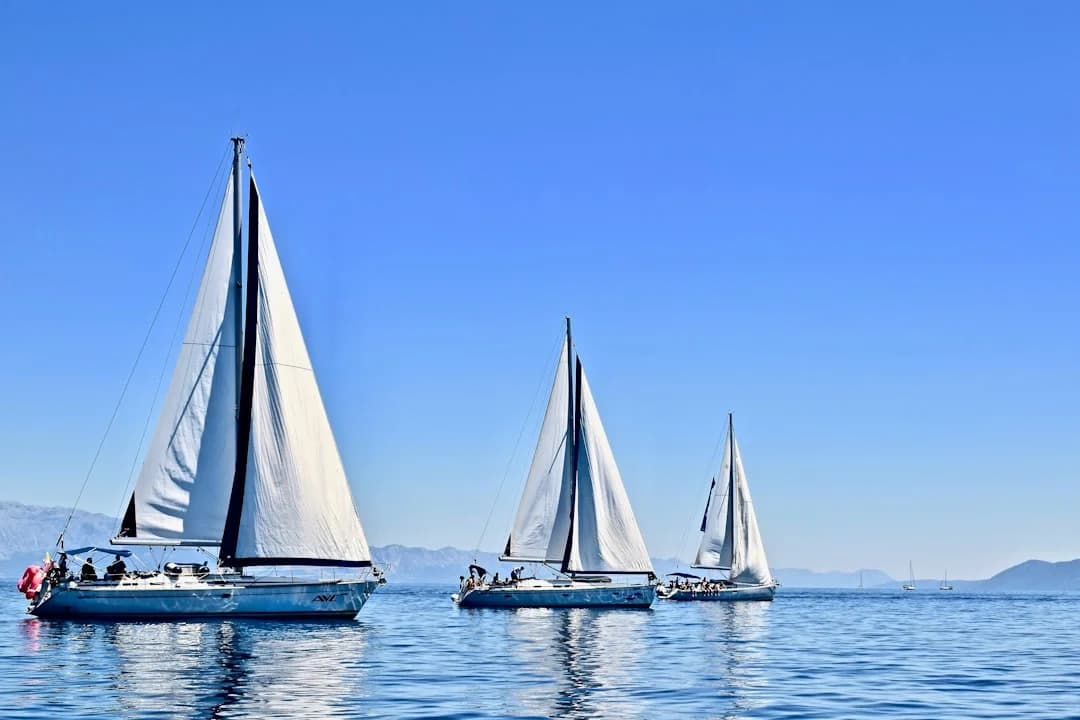
The best anchorages in Martinique sit along the leeward Caribbean coast — sheltered from trade winds, deep enough to swing safely, and close to the kind of shoreside life that makes you stay an extra night. The classics are Sainte-Anne, Grande Anse d'Arlet, Saint-Pierre, Anse Mitan, and the deep mangrove pocket of Cul-de-Sac du Marin. Beyond those, the windward side hides a few weather-window-only gems most charter crews never reach.
Photo by Karla Car on Unsplash
Martinique is a 50-nautical-mile sliver of volcanic France in the middle of the Eastern Caribbean chain, sitting between Dominica to the north and Saint Lucia to the south. For a cruising boat that's a perfect distance — long enough that you can spend a week working your way down the leeward coast, short enough that no two anchorages are more than a day-sail apart. You can verify distances between anchorages before you set off, which matters more than you'd think when the trades are honking and you're trying to decide whether to push another five miles before sunset.
This guide walks the coast top to bottom, with notes on holding, depth, swell exposure, ashore options, and which spots are worth a detour.
Why Martinique Rewards Cruising Sailors
A few things make Martinique stand out from neighbouring islands. It's officially France, which means a charter boat with European paperwork doesn't need to clear in formally — you walk into a chandlery in Le Marin and check in on a tablet at the counter. Mainland-grade healthcare, EU mobile data, French supermarkets stocked with proper baguettes and unpasteurised cheese, a competent rescue service. Your provisioning options here are objectively the best in the Eastern Caribbean.
The west coast is a true lee shore in the right way — it sits on the leeward side of trade winds that average 15–22 knots from the east. Most of the named anchorages line that western flank, which means easy daytime hops in flat water with the wind on the beam. The east coast (the Atlantic side) is a different beast: reef-strewn, swell-exposed, charts patchy in places, and rewarding only in settled conditions for crews who know how to read coral.
Then there's the geography itself: a steep, green, volcanic spine with Mount Pelée at the north end, cane fields and rum distilleries on the slopes, and a southern coastline that flattens into white-sand bays. Anchorages range from the historic gloom of Saint-Pierre below the volcano to the postcard turquoise of Anses d'Arlet.
North & Northwest Coast — The Wild Side
This is the half of the leeward coast most charter crews skip because it's a hard upwind beat back from Le Marin. If you're on a private boat or you base out of the north (the Heineken Regatta crowd does), it's worth the effort.
Saint-Pierre
Saint-Pierre is the only proper anchorage in the north and a genuinely strange place to spend a night. The town was wiped off the map by Mount Pelée in 1902 — 30,000 people killed in two minutes — and you anchor over the wreckage of the dozen ships sunk in the harbour that morning. Wreck dives on the Roraima and others go straight off the boat.
- Depth: 8–18 m, drops off fast close to shore
- Bottom: Sand with patches of volcanic gravel and the aforementioned wrecks. Holding is decent in sand but be careful where you drop — there are protected wreck sites and snagged anchors are a known problem
- Wind: Usually calm in the lee, but katabatic gusts roll down off Pelée at night, particularly Dec–Feb
- Ashore: Customs office (closed weekends), good restaurants, the volcano museum, ruins of the old prison
Anse Couleuvre and Anse Céron
Two adjacent day-stop bays on the wild northwest tip. Black volcanic sand, dense rainforest right to the water, often empty.
- Depth: 6–10 m close in, deeper outside
- Bottom: Sand and rolling stones — holding is patchy, set the anchor carefully and dive on it
- Swell: Always present, usually rolly. Don't overnight here
- Ashore: Hiking trail to a waterfall, no facilities
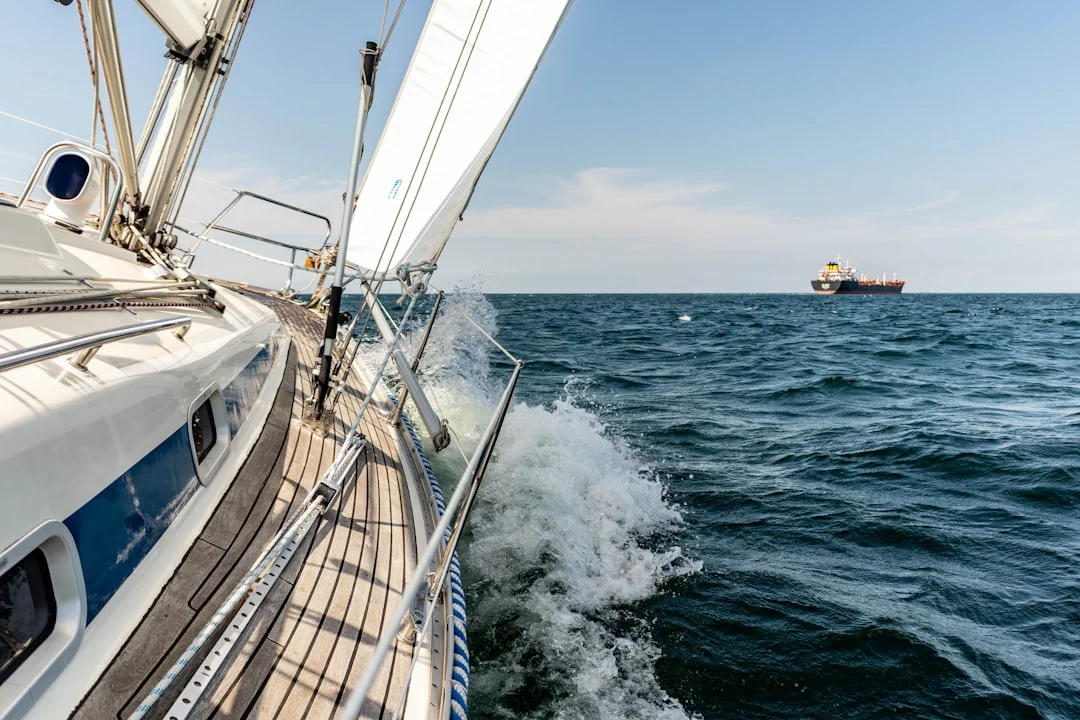
Photo by Michael Held on Unsplash
Case-Pilote and Schoelcher
Two small bays between Saint-Pierre and Fort-de-France. Case-Pilote has a tiny fishing harbour, a few mooring buoys laid by the village, and a fish market on Saturday mornings. Schoelcher is essentially a dormitory suburb of the capital — convenient if you need a supermarket without the big-city anchorage of Fort-de-France itself, but not worth a special visit.
Fort-de-France Bay — The Capital and Trois-Îlets
The bay south of Fort-de-France is one of the largest natural harbours in the Caribbean. Three useful anchorages share it.
Baie des Flamands (Fort-de-France)
Anchoring directly off the city. Once the standard clearance stop, now mostly used by boats provisioning at the big supermarkets or visiting town for the day.
- Depth: 4–10 m getting closer to the seawall
- Bottom: Soft mud — holding is poor, set with care and check your scope twice
- Wind: Acceleration zone in trade winds, can gust to 25+ knots even when the open sea is mild
- Hazards: Heavy ferry and cruise-ship traffic, plus a steady chop generated by passing wakes
- Ashore: Capital city, La Savane park, Fort Saint-Louis, Galleries Lafayette
Anse Mitan (Trois-Îlets)
Across the bay from Fort-de-France, a short ferry ride from town. The most popular anchorage in central Martinique and one of the busiest spots on the island in season.
- Depth: 4–8 m
- Bottom: Sand with grass patches — anchor only in sand, holding is excellent in clean spots
- Swell: Mostly protected; some wash from passing ferries
- Ashore: Restaurants, dive shops, ferry to Fort-de-France every 30 minutes, walking distance to Pointe du Bout marina if you need parts
Anse à l'Âne
Just south of Anse Mitan, quieter, better swimming. Slight roll when the wind goes south of east, but otherwise comfortable. Fewer ferries.
Southwest Coast — The Postcard Anchorages
This stretch from Anse Noire down to Cap Salomon is where Martinique earns its reputation. Three or four bays you can use, all within a few miles of each other.
Anse Noire and Anse Dufour
Twin bays separated by a headland — one black-sand, one white. Day-stops, not overnight. The headland is famous for green sea turtles that hang around the moorings; expect to share the bay with tour boats by midmorning.
- Depth: 8–15 m, reef-edged
- Bottom: Sand patches between coral. Use one of the marine park mooring buoys if available rather than dropping on grass or coral
- Swell: Light in normal trades, uncomfortable in any north swell
Grande Anse d'Arlet
The classic. Half-moon bay with a fishing village, a postcard church bell tower, restaurants on the beach, resident turtles, and one of the most photographed anchorages in the Caribbean.
- Depth: 5–12 m moving offshore from a white-sand beach
- Bottom: Patchy — sand on the inside, grass and coral fringes. Marine park mooring buoys are mandatory in some zones; pay attention to the colour-coded markers separating swim, snorkel, and anchor zones
- Swell: Generally calm in trades; can roll with a southerly component
- Ashore: Bakery, two small grocery stores, several beach restaurants, snorkel rental
It's busy. Get in by mid-afternoon in high season or you'll be on the outer fringe in deeper water.
Petite Anse d'Arlet
Five minutes south of Grande Anse, smaller, quieter, better holding because the bottom is more consistent sand. The village is sleepier — one good restaurant on the beach, a couple of fishing boats. Locals like this one.
- Depth: 5–10 m
- Bottom: Mostly sand
- Swell: Slightly more exposed than Grande Anse to north swell
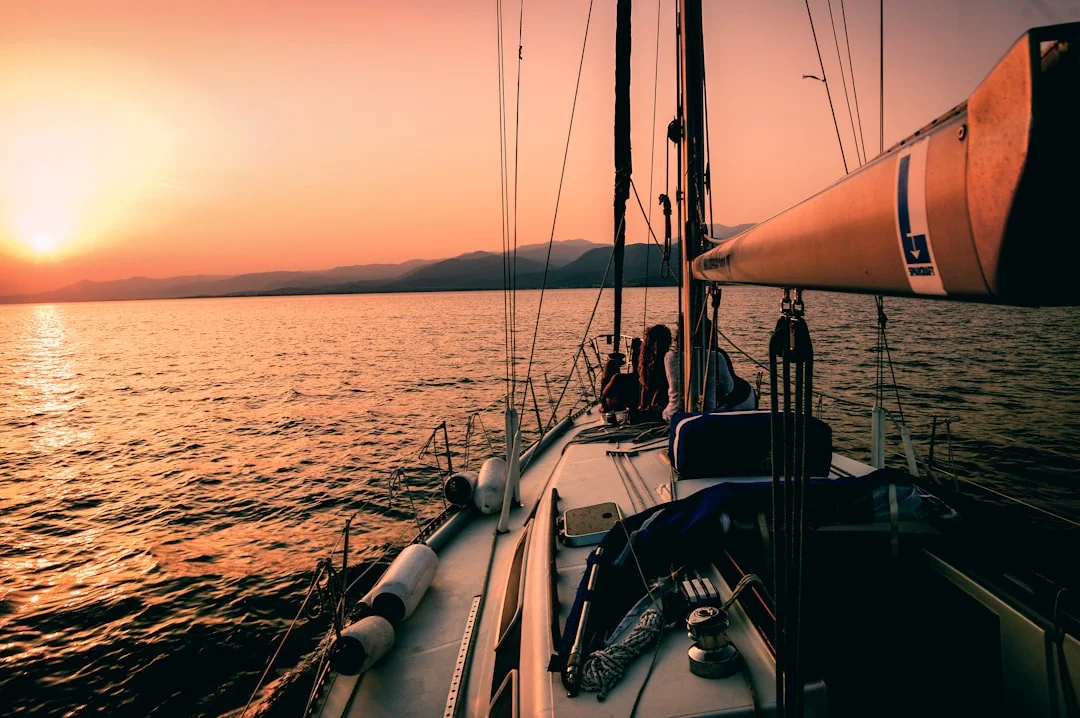
Photo by Markos Mant on Unsplash
The Far South — Sainte-Anne, Le Marin, and the Cap Chevalier Cluster
This is where most charter crews start and finish, and for good reason — the south coast holds the densest collection of comfortable, scenic anchorages in Martinique.
Cul-de-Sac du Marin
The biggest charter base in the Eastern Caribbean and one of the most protected harbours in the region. Mangrove-lined, hurricane-rated, every chandlery and rigger you could need within walking distance.
- Depth: 3–8 m in the anchoring zones
- Bottom: Soft sticky mud — notoriously poor holding despite looking innocuous. Charter boats drag here regularly. Use plenty of scope, set hard, and dive on the anchor
- Wind: Trades funnel through the harbour, often 18–22 knots in the anchorage
- Hazards: Crowded, mud bottom requires a wash-down on retrieval, Sargassum seaweed accumulates in the bay in some months (Apr–Aug worst)
- Ashore: Charter base, supermarkets, customs (online check-in at most chandleries), restaurants, dive shops
Useful as a base, not the prettiest place to spend a week.
Sainte-Anne
Two miles southeast of Le Marin and worlds apart in feel. The single most popular anchorage in southern Martinique — large, scenic, fronted by a pretty village with cobbled streets.
- Depth: 3–8 m progressively shoaling toward shore
- Bottom: Mostly sand, some grass — holding is good in clean sand patches
- Wind: Open to trades but the fetch is short; usually flat anchorage with a steady breeze
- Ashore: Bakery (queues at 0700), produce market on Wednesday and Saturday, ATM, several beach restaurants, walking to Pointe du Marin and the Club Med beach
The sand bottom and reliable trades make Sainte-Anne the easiest anchorage in Martinique to enjoy your first night.
Pointe du Marin / Club Med Anchorage
Adjacent to Sainte-Anne, on the south side of the headland. Pure white sand, palm trees, calmer in the rare south swell.
- Depth: 4–8 m
- Bottom: Sand — excellent holding
- Hazards: Some areas roped off for swimming; check before dropping the hook
Cap Chevalier and Îlet Chevalier
The far southeast tip, just around the corner from Sainte-Anne. Reef-protected, shallow, the kind of water that looks Photoshopped. Day anchorages only — the protection is from coral that does not forgive a bad approach.
- Depth: 3–6 m inside the reef
- Hazards: Reef navigation requires good light and a careful eye-ball job; have a bow-watch and avoid arriving in the afternoon when sun is low and ahead
- Reward: Sand-bottom shallows you can wade across to the îlet, very few other boats
The East Coast — For Sailors Who Want to Earn It
The Atlantic side is rarely cruised. Reef-strewn, the chart less reliable, and you need a good weather window to round the southern tip and beat back to the Caribbean coast. But for crews who'll do the work, two areas stand out.
Baie du Robert and Fond Blanc
A wide bay full of small sandy îlets and shallow coral basins. The famous Baignoire de Joséphine ("Joséphine's bathtub") is here — a knee-deep sandbar a mile offshore where boats anchor in turquoise water and people stand around chest-deep with rum drinks. Touristy, but the anchorages around the surrounding îlets are genuinely beautiful and uncrowded outside the lunch rush.
- Depth: 2–8 m inside the bay
- Bottom: Sand and coral — navigate by eye with the sun behind you
- Hazards: Coral, coral, coral. The chart is approximate. Don't enter without good visibility
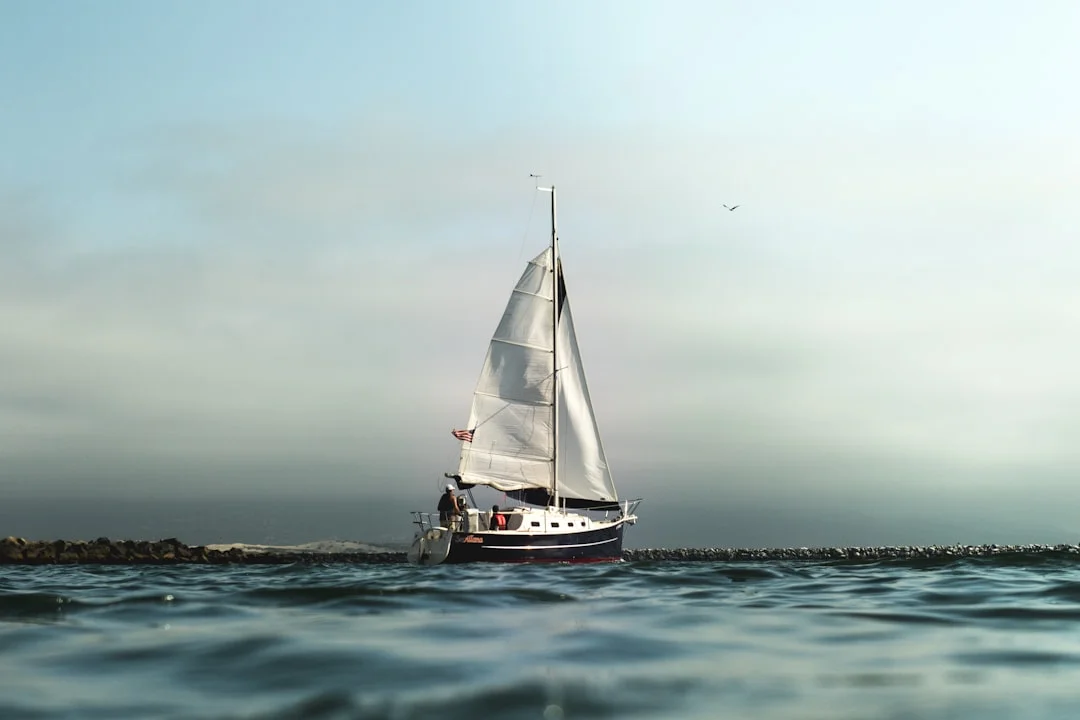
Photo by Jeremy Bishop on Unsplash
Havre de la Trinité and Caravelle Peninsula
The long Caravelle peninsula sticks out into the Atlantic and forms a deep bay on its south side. Reef-protected, dramatic cliffs, hiking trails, and a small fishing port at Tartane. Good in settled trades, completely untenable when a north swell rolls down the channel.
Anchorage Comparison at a Glance
| Anchorage | Best for | Holding | Overnight? | Depth (m) |
|---|---|---|---|---|
| Saint-Pierre | Wrecks, history, north end | Good (sand) | Yes — watch for night gusts | 8–18 |
| Anse Couleuvre | Day stop, hike | Patchy | No | 6–10 |
| Anse Mitan | Ferry to Fort-de-France | Excellent in sand | Yes | 4–8 |
| Grande Anse d'Arlet | Snorkel turtles, village | Patchy — use moorings | Yes | 5–12 |
| Petite Anse d'Arlet | Quiet alternative | Good | Yes | 5–10 |
| Cul-de-Sac du Marin | Charter base, hurricane hole | Poor (mud) | Yes — set carefully | 3–8 |
| Sainte-Anne | First night, easy life | Good | Yes | 3–8 |
| Pointe du Marin | Calm in south swell | Excellent | Yes | 4–8 |
| Cap Chevalier | Reef paradise | Coral risk | Day only | 3–6 |
| Baignoire de Joséphine | Sandbar lunch | Sand patches | Day only | 2–4 |
Clearance, Permits, and the Marine Park
Clearance is dead simple in Martinique. EU/Schengen-flagged boats don't need to clear in or out. Other flags use the online check-in tablets in chandleries — Le Marin is the busiest port of entry, but Saint-Pierre and Fort-de-France also have terminals. The whole process takes about ten minutes and costs a few euros.
The Parc Naturel Marin de Martinique covers most of the leeward coast. Practical implications: mooring buoys are mandatory in some zones (Anse Dufour, parts of Grande Anse d'Arlet, around the îlets), anchoring in seagrass is prohibited, and there are seasonal closures for sea turtle nesting. Buoys are colour-coded — yellow for swim zones, white for boat moorings up to a certain length. A quick read of the local règlementation board ashore saves an awkward conversation with a park ranger.
When to Go and What to Watch
The cruising season is December through May, with the sweet spot from January to April when trade winds are steadiest and rain showers are brief. December can deliver "Christmas winds" in the high 20s, occasionally 30 knots. June onward starts the hurricane season (officially June 1 to November 30) and the Sargassum seaweed influx that fouls bays on the east and southeast coasts — Le Marin has been particularly badly hit in recent years.
A few notes on weather behaviour around the island:
- Trade-wind acceleration in the lee of the southwestern headlands is real. Wind drops in the mid-coast bays and then comes back hard around Diamond Rock and the Cap Chevalier corner
- Pelée katabatic gusts in the north can hit 30 knots out of nowhere overnight in winter
- North swell in winter wraps around the top of the island and rolls into the leeward anchorages from Saint-Pierre to Anses d'Arlet — uncomfortable but rarely dangerous, and easy to escape by moving south
- Storm anchorage: if a tropical system threatens, Cul-de-Sac du Marin is the standard hurricane hole, but mooring fields fill fast — a backup plan into the mangroves of the upper bay is worth knowing
For weekly weather and route planning, a good GRIB workflow matters more than checking the bar barometer. If you haven't, our guide to reading GRIB files for sailing covers what to look for in trade-wind reinforcement and how to spot a north-swell event two days out.
A One-Week Suggested Itinerary
Most charters run from Saturday to Saturday out of Le Marin. A workable south-coast loop, all short hops, no long beats:
- Day 1 (Sat): Boat handover, dinner aboard in Le Marin
- Day 2 (Sun): Sail 6 nm to Sainte-Anne — first proper night at anchor
- Day 3 (Mon): Sail 8 nm to Petite Anse d'Arlet
- Day 4 (Tue): Snorkel morning at Grande Anse d'Arlet (3 nm), afternoon to Anse Mitan (8 nm)
- Day 5 (Wed): Day-trip into Fort-de-France for provisioning, return to Anse Mitan
- Day 6 (Thu): Sail back to Anses d'Arlet area or push north to Saint-Pierre (15 nm) for crews wanting to see the volcano
- Day 7 (Fri): Easy run back to Pointe du Marin or Sainte-Anne for the final night
- Day 8 (Sat): Last 2 nm to Le Marin for handback
Adjust based on wind direction. If you want a sense of the legs in nautical miles before you commit, you can calculate exact distances between Martinique anchorages on the chart.
For crews comparing the Eastern Caribbean island chain, our bay-by-bay guide to anchorages in the BVI and the broader best Caribbean sailing destinations guide cover what each island does best — the BVI is shorter hops and mooring-ball culture, the Windwards (Martinique included) reward a slightly more independent crew.
Practical Notes on Provisioning, Fuel, and Trash
- Provisioning: Carrefour and Leader Price in Le Marin and Fort-de-France. Smaller spar-equivalents in Sainte-Anne, Trois-Îlets, and Saint-Pierre. French wine, cheese, and produce are unbeatable for the Caribbean
- Fuel: Pontoon at Le Marin (queue in season), self-service at Marina du Marin; smaller fuel docks at Fort-de-France and Saint-Pierre
- Water: Most marinas, several restaurants on the dinghy dock will fill jerries
- Cash: ATMs in every village of significance; cards accepted everywhere
- Phone/data: EU roaming applies — Free Mobile, Orange Caraïbe, SFR all work normally
- Trash: Dinghy docks in major villages have bins. Don't use the fish market bins
- Diesel mechanic / rigger / sails: All in Le Marin
Frequently Asked Questions
What is the best anchorage in Martinique for a first night?
Sainte-Anne is the consensus best first-night anchorage. It's six nautical miles east of Le Marin, has good sand holding, a short fetch in the trades, a pretty village ashore for sundowners, and a bakery for fresh croissants in the morning. The wind is usually steady and predictable, the anchorage is large enough that even in season you'll find space, and if anything goes wrong you're a 90-minute sail from the charter base.
Is Martinique safe for cruising sailors?
Yes — Martinique is one of the safest cruising grounds in the Eastern Caribbean. As an integral part of France, it has full EU healthcare, a competent coast guard, well-marked harbours, and very low rates of theft from anchored boats. The most common safety issues are weather-related: trade-wind acceleration zones, north swell wrapping into leeward bays in winter, and squalls building over the volcanic interior. Lock the dinghy and outboard at night anywhere you'd lock them in Europe, but you don't need to take the kind of precautions some other Caribbean islands require.
Do I need to clear customs to sail to Martinique from another Caribbean island?
You need to check in, but the process is exceptionally easy. EU-flagged boats with EU citizens aboard don't need formal clearance at all. Non-EU flags use the online tablet system in any chandlery — Le Marin, Saint-Pierre, and Fort-de-France all have terminals. The whole check-in takes about ten minutes and costs a few euros. You'll need passports, boat papers, and a credit card. There's no separate immigration window or customs walk-around like you'd find in some other Caribbean countries.
When is the best time to sail Martinique?
January through April is the sweet spot — steady 15–20 knot trades, low rainfall, occasional north swell but no real weather risk. December has stronger Christmas winds and more rain. May and early June still cruise well but Sargassum seaweed starts becoming an issue. The official hurricane season runs June 1 to November 30, and while Martinique sits at the edge of the typical hurricane belt, most boats and charter operations stand down or move south to Grenada in those months. For more detail on the seasonal patterns across the region, our month-by-month Caribbean sailing guide breaks down conditions across the chain.
What's the holding like in Cul-de-Sac du Marin?
Honestly, mediocre. Le Marin's bottom is soft sticky mud that often looks like a good anchor would dig in but actually doesn't grip well at first set. Charter boats drag here every season, particularly in evening trade-wind reinforcement. Use 5:1 scope minimum, set the anchor under power at idle then back down hard, and dive on it the next morning to confirm it's buried. If you can use a mooring ball instead, do.
Can you anchor anywhere in Martinique?
Mostly yes, but the Parc Naturel Marin de Martinique restricts anchoring in some areas. Anchoring directly on seagrass is prohibited everywhere in the park (it kills turtle habitat). Several specific bays — Anse Dufour, parts of Grande Anse d'Arlet, the îlets in Le Robert and Le François — require you to use marked mooring buoys. The colour-coded buoys distinguish swim zones (yellow), small-boat moorings, and larger-yacht moorings. Local rangers do enforce the rules, and the fine for anchoring on seagrass is meaningful — read the règlementation board at any village dinghy dock.
About the Author
Related Articles
Amalfi Coast vs French Riviera Sailing Guide (Costs & Routes)
Compare Amalfi Coast vs French Riviera sailing—costs, crowds, mooring rules, best months, and 7-day routes. Choose your coast and plan now.
By Breezada Team
Puget Sound Cruising Guide to Gulf Islands Routes
Plan routes, anchorages, and weather windows with this Puget Sound cruising guide for the Gulf Islands & San Juans. Read now and start plotting.
By Breezada Team
Sailing Amalfi Coast Guide: Ports, Anchorages & Rules
Sailing Amalfi Coast guide to Capri, Positano & Amalfi: best ports, anchorages, fees, VHF and rules. Plan your route—read now.
By Breezada Team
Dry Tortugas Sailing: Routes, Anchoring & Permits
Plan Dry Tortugas sailing from Key West with routes, weather windows, anchoring/moorings, and permits. Read the guide and plan your trip.
By Breezada Team