Amalfi Coast vs French Riviera Sailing: Guide
Meta description: Compare Amalfi Coast vs French Riviera sailing costs, crowds, mooring rules, and best months—plus 7-day routes with NM per leg. Plan smarter—read now.
Photo by Michael Held on Unsplash
Amalfi vs Riviera at a Glance: Wind, Water, Vibe
Skill level and maneuvering reality (stern-to, ferries, swell)
Both coasts are “port-hopping” grounds where your biggest challenge is often the last 200 meters, not the offshore bit. Expect stern-to (Med mooring) most nights, tight fairways, and a parade of day boats that treat your turning circle as optional. A 12 m (≈39–40 ft) monohull with 1.9–2.3 m draft and 8–10.5 t displacement behaves fine—right up until a ferry wake hits as you’re backing in.
Amalfi can feel logistically tighter because the headline towns have fewer workable berths and more exposed roadsteads. Naples Bay swell and commercial traffic add an extra layer of “keep your head on a swivel,” especially near Capri approaches and ferry corridors. The Riviera is usually more systematized, but that also means more reservation dependence and more pressure to arrive on schedule.
Sailing feel: thermals, headlands, and sea-state differences
On clear summer days, both regions commonly run an afternoon sea breeze around 8–15 kn, but the coast shapes it differently. Amalfi’s cliffs and steep valleys can throw gusts down the slopes and make wind angles fickle near the shore. The Riviera’s capes and headlands can accelerate the breeze locally, and when it pipes up you’ll feel it earlier around points like Cap d’Antibes.
The big difference isn’t raw wind strength so much as sea state and exposure. Amalfi has pockets of shelter, but some popular overnights sit in open water where wake and swell make sleep a sport. The Riviera can be remarkably pleasant—until a Mistral pattern turns the sea short and rude, and suddenly your “relaxed” day becomes a beat to the next harbor.
What a “relaxed 7 days” looks like in nautical miles
If you want a week that still feels like a holiday, plan for short legs and time lost to harbor traffic, fuel docks, and paperwork. Typical weekly totals are ~90–140 NM for an Amalfi loop and ~110–180 NM for a Riviera loop, depending on detours and how stubborn you are about eating lunch underway. At 6–7 kn average, 15–25 NM is a comfortable day; 35 NM is doable but you’ll arrive tired and less polite.
Decision drivers are practical: budget sensitivity, how much you care about nightlife and towns, how often you want to anchor versus pay a marina, and your tolerance for crowds. The Riviera is typically pricier and more reservation-driven; Amalfi can be tighter in marquee harbors, even though the legs are often shorter. If you like improvising, bring strong Plan B instincts—and plan your route using a sea distance calculator before you promise the crew “it’s only an hour.”
Captain’s tip: The prettiest week is the one where you’re not forced into a bad docking at 18:30. Plan midday arrivals and keep daily totals near 15–25 NM.
Photo by Karla Car on Unsplash
True Trip Cost Model: Charter, Fees, Fuel, Food
Boat price by season and type (mono vs cat)
Start with the uncomfortable truth: the weekly charter rate is only the down payment on your week. Peak season (July–August) bareboat pricing for a 38–45 ft monohull commonly lands around €4,500–€8,500/week boat-only, while a 40–45 ft catamaran is often €7,500–€15,000+/week. The French Riviera tends to sit at the upper end of those bands because demand is relentless and marina fees are higher.
Shoulder season (May–June, September) is where smart sailors live. Expect roughly €3,000–€6,500/week for a monohull and €5,500–€11,000/week for a cat, with many fleets pricing ~15–35% below peak for comparable boats. If you’re cost-sensitive, a 12 m monohull under key tariff cutoffs often beats a wider cat once beam surcharges and berth scarcity hit.
Mandatory add-ons and deposits (what’s actually refundable)
Mandatory fees are predictable, but they sting because they’re not optional. Final cleaning is typically €150–€300 for a monohull and €250–€450 for a cat, and you may see linen packs, outboard fuel, and “base packs” depending on the operator. Security deposits often run €2,000–€6,000; they’re refundable in theory and character-building in practice.
Deposit insurance (often €150–€350/week) can make sense with mixed-experience crews, especially in stern-to harbors where one lazy spring line can become a gelcoat tax. Read the exclusions: it may not cover clogged heads, lost gear, or “mysterious anchor incidents” that occur when someone forgets the windlass breaker. Also expect documentation checks; many companies want evidence of experience, and your contract details may reference identification norms aligned with ISO paperwork practices like ISO 10087.
Realistic variable spend: berths, buoys, fuel, provisioning
A useful way to budget is a “true cost per night” model: boat + mandatory fees + 3 marina nights + 3 buoy/anchor nights + 1 turnaround night (often in the base marina). For a 12 m yacht in high season, berths run roughly €80–€200/night around Amalfi and €120–€350+/night on the Riviera, especially in Cannes/Antibes/Nice/Monaco. Buoys, where offered, are commonly €30–€120/night, and sometimes they’re worth every euro just to stop the boat from rolling.
Fuel is best modeled by engine hours, not wishful thinking. A 40–55 hp diesel burning ~2–4 L/hour over 10–20 hours/week gives ~20–80 L, and diesel is often €1.80–€2.50/L dockside. Add margin for harbor maneuvering, no-sail zones near traffic, and the classic charter move of motoring the last 3 NM because dinner reservations exist.
Provisioning for four, cooking aboard most days, typically lands around €250–€550/week for groceries, with dinners ashore often €25–€60/person before wine tries to refinance your holiday. If you want to control costs, alternate paid berths with anchor/buoy nights, pick shoulder weeks, and use a quick port-to-port distance check to sanity-check your route—more miles usually means more motoring, more fees, and more “why are we in a hurry?”
Photo by Markos Mant on Unsplash
| Cost item (7 days) | Amalfi Coast typical range | French Riviera typical range | Notes that matter in real life |
|---|---|---|---|
| Bareboat mono 38–45 ft (peak) | €4,500–€8,500 | €5,500–€8,500+ | Riviera trends higher for comparable inventory |
| Bareboat cat 40–45 ft (peak) | €7,500–€15,000+ | €9,000–€15,000+ | Beam + berth availability can add hidden cost |
| Final cleaning | €150–€300 (mono) / €250–€450 (cat) | Similar | Often mandatory regardless of how tidy you are |
| Berth/night (12 m, high season) | €80–€200 | €120–€350+ | Event weeks can spike above “normal” |
| Diesel | €1.80–€2.50/L | €1.80–€2.50/L | Budget by engine hours: 20–80 L/week |
Marinas, Port Fees & Buoys: What You’ll Pay (12 m)
Tariff mechanics: LOA brackets, beam surcharges, peak nights
Med marina pricing is arithmetic with a twist: LOA is king, and brackets often jump in 0.5–1.0 m steps. The difference between 11.9 m and 12.1 m can put you into a higher tariff band in some ports, and it’s not a theoretical problem—it’s a “why did tonight cost €60 more?” problem. Cats often get hit twice: longer LOA plus beam surcharges, especially when the marina is tight and the fairways aren’t built for 7.0–7.6 m of cat beam.
High season rates for a 12 m yacht commonly land around €80–€200/night on the Amalfi side and €120–€350+/night on the Riviera. Flagship ports (Monaco, parts of Cannes, premium quays in Antibes) can push beyond that, particularly during events or weekends. If you’re chasing a specific harbor at a specific time, you’re basically paying for certainty.
Booking reality: who takes reservations and how early
On the Riviera, reservations are often the norm, not the exception, and marinas may ask for LOA, beam, draft, insurance, and sometimes copies of documents. In Amalfi, some places are reservation-based, others are “call on VHF and see,” and the practical bottleneck is simply the number of berths versus demand. For both coasts, have your boat details ready and be precise: LOA (not hull length), draft (1.9–2.3 m typical for a 12 m mono), and your arrival time.
When you call in, be professional: hail the marina on the published VHF channel, state LOA/beam/draft, and don’t tell them you’ll arrive “in about an hour” unless you mean it. If you’re late, your berth may evaporate; if you’re early, sometimes they’ll squeeze you in. In peak weeks, that early call can be worth more than your nicest shirt.
Buoy fields vs anchoring: when they’re the better value
Buoys can be cheaper than a berth—often €30–€120/night—but the real value is sleep and reduced stress. In deep water with limited swing room and heavy wake, a buoy can be safer than anchoring, especially when scope is constrained and you can’t lay 4–6× depth without sitting on someone’s chain. Buoy fields also help with Posidonia protection, which matters on both coasts.
Shore power is a separate cost/benefit problem. Most pedestals are 230 V / 50 Hz, commonly 16 A (≈3.7 kW) or 32 A (≈7.4 kW), and many boats carry a 25 m cable that’s seen better days. If you need air-con or water heater plus battery charging, you’ll want a proper connection and good adapters, ideally aligned with best practice thinking from ISO 13297 and ABYC E-11.
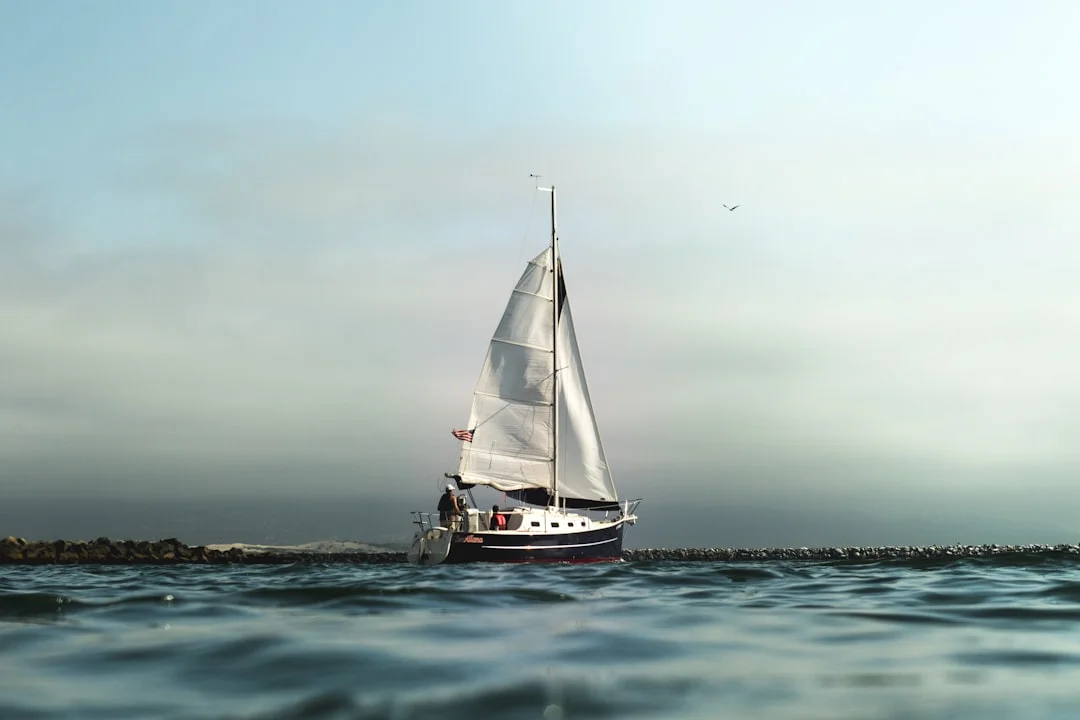
Photo by Jeremy Bishop on Unsplash
Crowds & Capacity: Timing, Arrivals, Plan B Stops
What ‘crowded’ means on the water vs in town
Crowds on these coasts aren’t just about busy restaurants; they’re operational. “Crowded” means 3 stern-to attempts happening at once, a turning basin full of rental RIBs, and prop wash bouncing your bow off the quay while someone yells advice you didn’t ask for. It also means limited berths, especially in marquee spots, so the last available space gets priced like a luxury product.
On Amalfi, the tightness comes from geography and limited harbor room in headline towns. On the Riviera, the pressure comes from density of boats, events, and a reservation culture that penalizes improvisation. Either way, the crew’s stress level goes up faster than wind speed, and that’s when gelcoat gets expensive.
Arrival-time tactics: midday vs late afternoon tradeoffs
If you only steal one tactic from this article, make it this: arrive earlier than the fleet. Arriving around 11:30–13:00 often beats 17:00–19:00, even if the town is busy at lunch, because boats haven’t all converged for the overnight shuffle. Midday arrivals also give you daylight to sort out shore lines, check holding, and re-set if the anchor drags in ferry wake.
Late afternoon arrivals are tempting because you get “one more sail,” but that’s when harbors are most chaotic and staff are stretched. Build in at least 30–60 minutes for docking attempts and paperwork, especially with mixed-experience crews. Your holiday schedule should serve seamanship, not the other way around.
Crowd-avoidance routing that still hits the highlights
Shoulder seasons—May–June and September—are the sweet spot: fewer boats, less heat, and often ~15–35% lower charter pricing. You can still hit the headline stops, but you’ll get a fighting chance at a berth without sacrificing your dignity. In peak weeks, alternate marquee ports with quieter overnights to reset the crew’s patience.
On Amalfi, if Capri or Positano are full, look toward Cetara or the Salerno side for better odds and a calmer night. On the Riviera, when Cannes or Monaco becomes a circus, Villefranche-sur-Mer or Beaulieu often provide more workable options. Before the week starts, build a Plan B matrix with distances between alternates; Breezada’s sea distance calculator makes that quick, and it prevents “we’ll just figure it out” from becoming “we’re motoring in circles at dusk.”
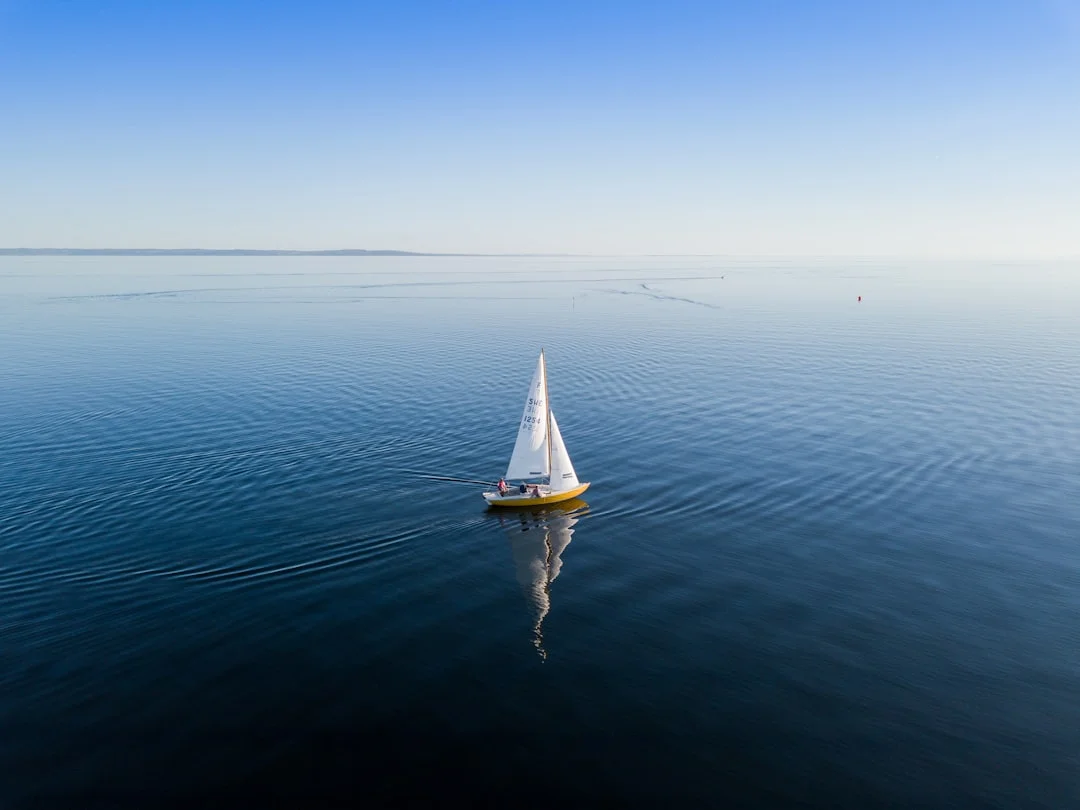
Photo by Daniel Stenholm on Unsplash
Mooring & Anchoring Rules: Med Mooring, Posidonia, Enforcement
Med stern-to mechanics: chain, scope constraints, line handling
Med mooring is simple on paper: drop the anchor, reverse in, tie stern lines, and hope your neighbors did the same yesterday. In practice, you’re doing controlled reverse at low speed while managing crosswind, prop walk, and a chain that wants to paint modern art on the seabed. Charter boats commonly carry 40–60 m of chain, often 8 mm on ~35–40 ft boats and 10 mm on ~40–50 ft boats, with total rode commonly 50–80 m.
In 8–12 m depth, ideal scope might be 4–6×, but crowded harbors often won’t allow it. So you compensate by setting the anchor hard (short bursts astern), backing down slowly to feel it bite, and then checking transits once you’re secure. If the wind shifts or wake builds, you’ll be glad you were fussy early.
Anchoring regulations: Posidonia bans and buoy-field etiquette
Both Italy and France protect Posidonia oceanica seagrass, and in popular bays you’ll see either “anchor only on sand” expectations or buoy systems designed to keep anchors off the grass. Around places like Capri/Positano and areas near Îles de Lérins/Cap d’Antibes, the practical outcome is that “just drop the hook” may not be legal or responsible, even if the water looks inviting. Enforcement varies, but local decrees and patrols can ruin your week faster than a torn genoa.
In Italy, you’ll hear the Capitaneria di Porto referenced; in France, enforcement ties to the Maritime Prefecture and local regulations. The seamanship takeaway is boring but important: use chart layers that show seagrass, look for sand patches, and if buoys exist, treat them like traffic rules, not suggestions. If buoys are full, don’t muscle in—either move to an allowed sand patch with adequate clearance or pick a different bay.
Charter check-in and gear standards: what to inspect fast
Your first hour onboard should include a systems check that matches the realities of stern-to cruising. Confirm the windlass works under load, the chain is marked, and the bow roller and cleats look solid—this aligns with the intent of ABYC H-40 on anchoring and strong points. Check stern lines: you want 12–16 mm lines, typically 10–15 m each, plus at least 2 spring lines for prop wash and ferry wake situations.
Count fenders: 6–10 cylindrical fenders (often 20–25 cm diameter) plus 1–2 ball fenders makes life easier when your neighbor’s rub rail is at the exact height of your gelcoat. Test seacocks and confirm you have plugs; ABYC H-27 is the standard reference mindset here, and it matters because marina life increases hose and fitting risks. On shore power, check the cable and connectors for heat damage and ensure safe AC practices consistent with ABYC E-11 and ISO 13297.
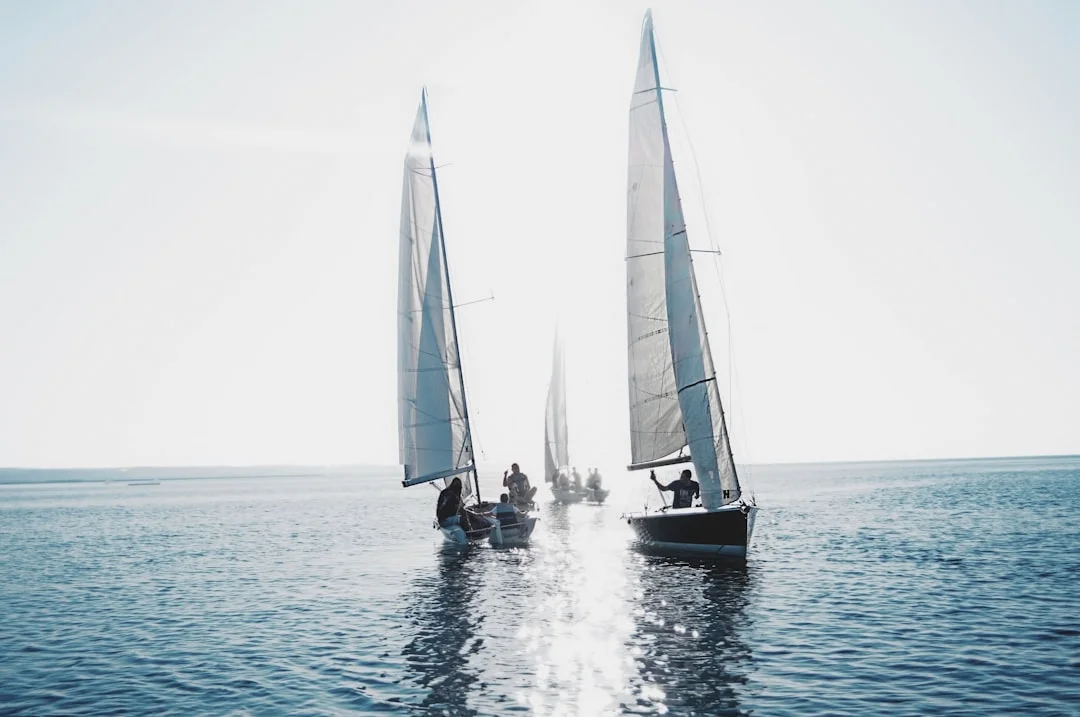
Photo by Lazarescu Alexandra on Unsplash
Captain’s tip: In tight Med mooring, “more chain” isn’t always possible. A hard set, a snubber/bridle, and good transits beat sloppy scope every time.
Best Months: Weather Windows, Sea State, Comfort Under Sail
Thermals vs mistral influence: what changes your plan
For both coasts, summer brings predictable afternoon thermals around 8–15 kn on many fair days, but don’t confuse “typical” with “guaranteed.” The Riviera’s wildcard is the Mistral, which can build sea state quickly and make exposed legs unpleasant or unsafe for a mixed crew. When it blows, you may be choosing routes based on shelter rather than scenery.
Amalfi’s pattern is generally less about a single dominant wind event and more about local effects. Cliffs can accelerate gusts near headlands, and Naples Bay swell plus ferry wake can make some anchorages rolly even when the wind looks modest. The comfort target I use for charter crews is often <20 kn apparent, and I reef earlier when the crew is family-heavy or new to stern-to.
Sea temperature, visibility, and anchoring comfort
Comfort at anchor is mostly about motion and holding, not Instagram water color. In high summer, the water is inviting, but crowded bays mean constrained anchoring, more wake, and more late arrivals dragging chains through the neighborhood. If your crew wants to swim and sleep, prioritize bays with room, clear sand patches, and some protection from the prevailing afternoon breeze.
Visibility is typically good on both coasts in settled weather, but the practical factor is how deep you’ll be forced to anchor. If you’re routinely in 12–18 m because the close-in area is protected seagrass, you need enough chain and a clean plan for resetting if the anchor doesn’t bite. This is where “relaxed chartering” gets decided—quiet water, good holding, and fewer surprises.
Shoulder-season strategy for value and availability
May–June and September are usually the best blend of space, cost, and comfort. Crowds drop, berths are less combative, and charter pricing often runs ~15–35% below peak. You still need reservations for certain hotspots, but your Plan B stops become realistic rather than theoretical.
If you’re choosing only one week for value, pick September and treat it like peak: book early, confirm berths, and keep legs moderate. If you’re planning routes, run the legs through Breezada’s sea distance calculator and then shave 10–15% off your daily ambition. People underestimate how much time disappears into harbor choreography.
7-Day Amalfi Coast Route: NM per Leg, Sleep Options, Berths
Route planning: realistic daily legs and sea-distance totals
Amalfi rewards short legs and early arrivals. A classic loop from Naples/Procida gives you a weekly total in the ~90–140 NM range depending on detours, with daily hops often 10–25 NM. At 6–7 kn, that’s 2–4 hours underway most days, leaving time for swimming, provisioning, and the inevitable “we’re just going to look at this bay” diversion.
Plan for more motoring than your sailing ego wants to admit. Between traffic lanes, ferry corridors, and the need to hit harbors at sensible times, 10–20 engine hours/week is common on charter, and at 2–4 L/h you’re looking at 20–80 L burned. Use Breezada’s sea distance calculator before the trip to check leg lengths and build honest ETAs for the crew.
Sample itinerary (Day 1–7) with alternates
Below is a practical 7-day backbone with distances; adjust start base (Naples vs Procida) to your charter company. Distances are approximate; always verify with official charts and your nav system, then sanity-check with Breezada’s sea distance calculator. For each marquee stop, I’ve included an alternate that’s usually less painful when berths vanish.
| Day | Leg | NM (approx.) | Time @ 6–7 kn | Primary overnight | Plan B (nearby) |
|---|---|---|---|---|---|
| 1 | Naples/Procida → Ischia (north side) | 12–18 | 2–3 h | Marina or anchorage | Procida harbor / protected bay |
| 2 | Ischia → Capri | 18–22 | 3–4 h | Buoy or marina | Ischia (stay put) if Capri is chaos |
| 3 | Capri → Positano | 10–12 | 1.5–2 h | Buoy/roadstead (weather-dependent) | Amalfi town area (if available) |
| 4 | Positano → Amalfi | 6–8 | 1–1.5 h | Marina (stern-to) | Cetara (quieter, better odds) |
| 5 | Amalfi → Cetara/Salerno side | 12–18 | 2–3 h | Marina/anchorage | Salerno marina for services |
| 6 | Cetara/Salerno → Procida | 28–35 | 4–6 h | Marina | Ischia as a breakwater stop |
| 7 | Procida → Naples base | 10–15 | 1.5–2.5 h | Turnaround berth | N/A (return day) |
Where to sleep: anchor vs buoy vs marina (and why)
Around Capri and Positano, a buoy can be the best combination of legality and sleep quality when anchoring is restricted or crowded. In more open roadsteads, factor wake: ferries and fast craft can keep you rolling all night, even when wind is under 10–12 kn. In those cases, paying €80–€200 for a berth can be cheaper than the crew mutiny you’ll face after a sleepless night.
Stern-to feasibility depends on space and crew competence. If your crew struggles with line handling, favor marinas with staff assistance and wider fairways, even if it costs more. Also manage tanks like a professional: monohull holding capacity is often ~80–200 L, and with a full crew you may want pump-out planning every ~2–4 days, especially where facilities are limited.
7-Day French Riviera Route: NM per Leg, Mistral Plan B
Route planning: distances, shelter options, reservation rhythm
The Riviera is a brilliant cruising ground if you accept its rules: book early, arrive on time, and keep a shelter option for Mistral-influenced sea state. A common 7-day loop totals ~110–180 NM, depending on whether you extend west toward Hyères or keep it compact around Cannes/Antibes/Monaco. At 6–7 kn, plan 2–5 hours/day underway, with at least one shorter “reset” day to enjoy the ashore side.
High-season berths for a 12 m yacht often run €120–€350+/night, and premium ports can go higher in event weeks. If you’re watching budget, mix 2–3 marina nights with buoy/anchoring nights where legal, and keep fuel burn in mind: 10–20 engine hours/week at 2–4 L/h still equals 20–80 L, regardless of how fancy the coastline looks.
Sample itinerary (Day 1–7): Antibes loop with alternates
This loop assumes an Antibes-area base, which is practical for supplies and transport. Distances are approximate and should be verified with your nav tools; Breezada’s sea distance calculator is handy for quick leg planning and for comparing “direct” versus “scenic but slower.” Alternates matter here because reservations can fail, and the Mistral doesn’t care about your dinner plan.
| Day | Leg | NM (approx.) | Time @ 6–7 kn | Primary overnight | Plan B (nearby) |
|---|---|---|---|---|---|
| 1 | Antibes → Îles de Lérins | 8–10 | 1.5 h | Anchor/buoy (rules apply) | Cannes marina (pricey, but serviceable) |
| 2 | Lérins → Saint-Tropez | 28–32 | 4–5 h | Marina | Sainte-Maxime (often easier) |
| 3 | Saint-Tropez → Porquerolles/Hyères | 28–35 | 4–6 h | Anchorage/buoy | Port-Cros area (if conditions fit) |
| 4 | Lay day / short hop | 0–10 | 0–2 h | Stay sheltered | Move into Hyères marina if blow builds |
| 5 | Hyères → Monaco/Beaulieu area | 55–65 | 8–10 h | Marina (reserve early) | Villefranche (better shelter/availability) |
| 6 | Monaco/Beaulieu → Cap d’Antibes area | 20–25 | 3–4 h | Anchor (sand patches) | Antibes marina |
| 7 | Cap d’Antibes → Antibes base | 5–8 | 1–1.5 h | Turnaround berth | N/A |
When to lock in marinas vs aim for anchorages/buoys
On the Riviera, lock marinas for Saint-Tropez and Monaco-area stops in peak periods, especially if your LOA is near a tariff cutoff. Your acceptance can depend on exact LOA/beam/draft, and cats with 7.0–7.6 m beam face more friction simply because space is finite. If you’re aiming for anchorages, you must also play by Posidonia protection rules—use sand patches, respect buoy systems, and don’t assume “everyone’s doing it” is a defense.
For shore power, treat 16 A (≈3.7 kW) as limited capacity: water heater plus cooktop plus battery charger can trip breakers fast. 32 A (≈7.4 kW) helps, but only if your onboard system and adapters are correct, per ISO 13297 and ABYC E-11 good practice. And when the Mistral influence builds sea state, don’t be heroic—shorten legs, tuck into shelter, and let the crew remember the trip fondly.
Frequently Asked Questions
For a 12.0 m vs 12.5 m LOA yacht, how often do Riviera/Amalfi marinas bump you into a higher tariff band, and what exact LOA should you put on reservation requests (LOA vs hull length)?
Many marinas use 0.5–1.0 m tariff bands, so a 12.5 m yacht is very often priced differently than a 12.0 m yacht, and even 11.9 m vs 12.1 m can trigger a bracket change in some ports. On reservations, always provide LOA (Length Overall) as listed in the boat’s documents/charter contract, not hull length; include beam and draft as well because acceptance (especially for cats) can depend on all three.
On a charter 40 ft monohull with 50–80 m of chain, what is a practical minimum chain length to deploy for Med stern-to in 8–12 m depth when swing room is constrained, and how should you rig a snubber to reduce windlass shock loads?
In 8–12 m depth with constrained room, a practical minimum is often 25–35 m of chain to start, then adjust as you back toward the quay while keeping safe clearance from neighbors’ chains. Rig a snubber by attaching a line (often 12–16 mm) to the chain with a chain hook or rolling hitch, then lead it to a bow cleat and ease chain so the snubber takes the load; this reduces shock loads on the windlass in line with the intent of ABYC H-40.
In Posidonia-protected bays (Italy and France), how do you verify you’re on sand (visual cues, chart layers) and what’s the correct protocol when buoy fields are present but full?
Use multiple cues: chart layers that depict seagrass, polarized sunglasses to spot lighter sand patches versus darker grass, and a quick snorkel check if conditions permit. If buoy fields exist, treat them as the preferred system; if they’re full, don’t anchor over grass “just for a minute.” Move to a legal sand patch with adequate clearance and depth, or choose another bay—enforcement can be real under local rules (Capitaneria di Porto in Italy, Maritime Prefecture/local decrees in France).
With 230 V / 50 Hz shore power at 16 A vs 32 A pedestals, what onboard loads commonly trip breakers on charter boats (water heater, battery charger, cooktop), and how do ISO 13297/ABYC E-11 best practices apply?
At 16 A (≈3.7 kW), common breaker-trippers include the water heater (often ~1,000–1,500 W), battery charger running hard, electric cooktops, and sometimes air-con if fitted. At 32 A (≈7.4 kW) you have more headroom, but heat-damaged cords and bad adapters still cause failures; best practice under ISO 13297 and ABYC E-11 is to use correct connectors/adapters, keep connections dry, avoid coiled cables under load, and manage loads intentionally rather than hoping the pedestal is feeling generous.
Given 2–4 L/h fuel burn and a plan for 10–20 engine hours, how should you build a conservative diesel budget that accounts for adverse wind angles, harbor maneuvering, and no-sail zones near traffic separation/ferry corridors?
Start with the base math: 10–20 hours × 2–4 L/h = 20–80 L. Then add a conservative margin of 20–30% for extra maneuvering, motoring in light air, and detours for traffic or restricted areas, yielding roughly 24–104 L. Multiply by €1.80–€2.50/L to get a practical budget range, and remember that ambitious itineraries raise engine hours—estimate your fuel needs based on the voyage distance to keep that ambition tethered to reality.
About the Author
Related Articles
Puget Sound Cruising Guide to Gulf Islands Routes
Plan routes, anchorages, and weather windows with this Puget Sound cruising guide for the Gulf Islands & San Juans. Read now and start plotting.
By Breezada Team
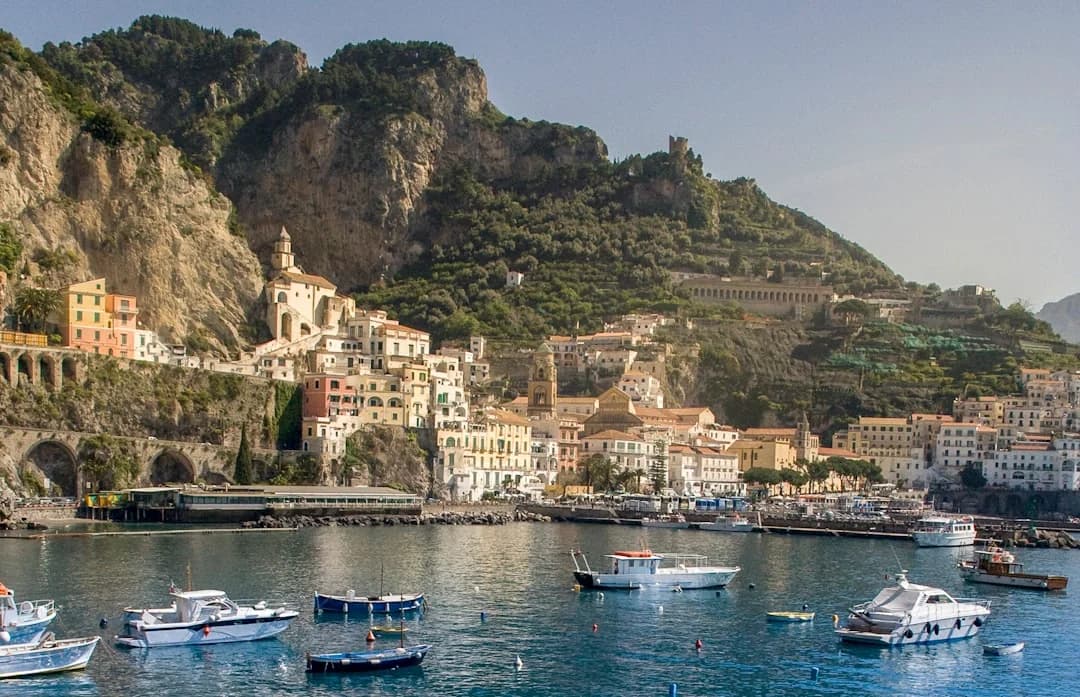
Sailing Amalfi Coast Guide: Ports, Anchorages & Rules
Sailing Amalfi Coast guide to Capri, Positano & Amalfi: best ports, anchorages, fees, VHF and rules. Plan your route—read now.
By Breezada Team
Dry Tortugas Sailing: Routes, Anchoring & Permits
Plan Dry Tortugas sailing from Key West with routes, weather windows, anchoring/moorings, and permits. Read the guide and plan your trip.
By Breezada Team
Sailing Galapagos Islands: Permits, Costs & Rules
Understand sailing Galapagos Islands permits, costs, and rules—plus clear-in steps, routes, and biosecurity. Plan your yacht trip now.
By Breezada Team