BVI Sailing Itinerary: 7 Days, Anchorages & Mooring
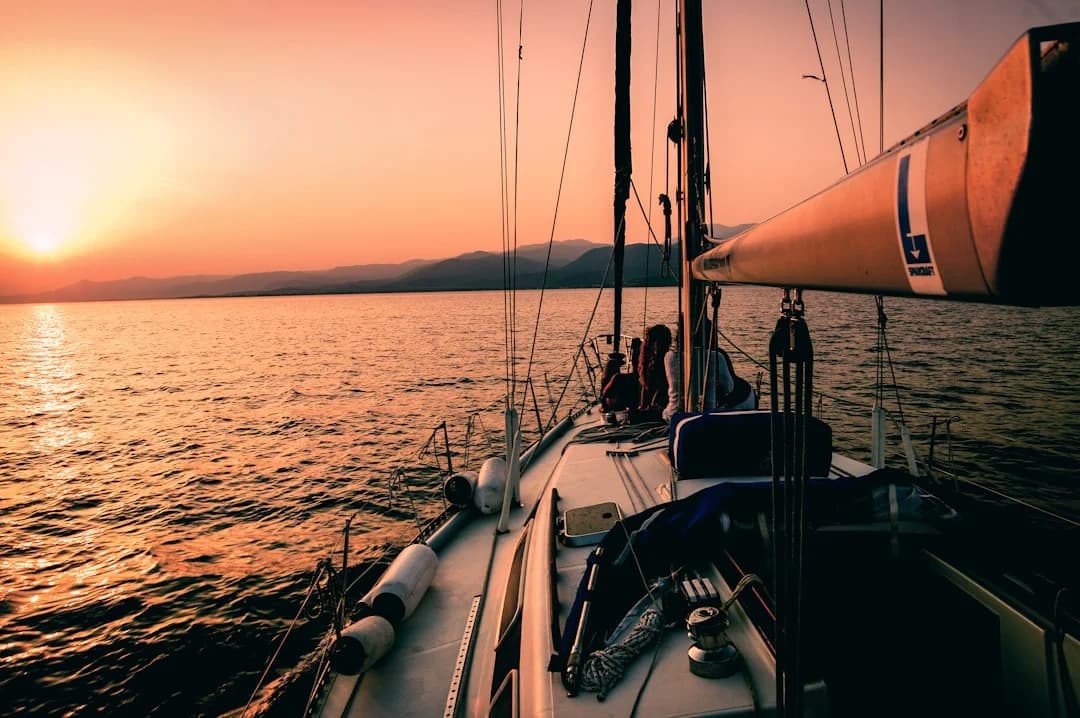
BVI Sailing Itinerary: 7 Days, Anchorages & Mooring
The British Virgin Islands are the rare cruising ground where you can sail every day, swim twice a day, and still be in bed before your crew starts negotiating “just one more Painkiller.” The trick is respecting two realities: the trades are real (15–25 kn is normal in season), and a “7-day charter” is usually about 6 real cruising days once you factor in handover and checkout. Plan early arrivals, short hops (most are 6–18 nm), and a Plan B bay every night, and the BVI will treat you well.
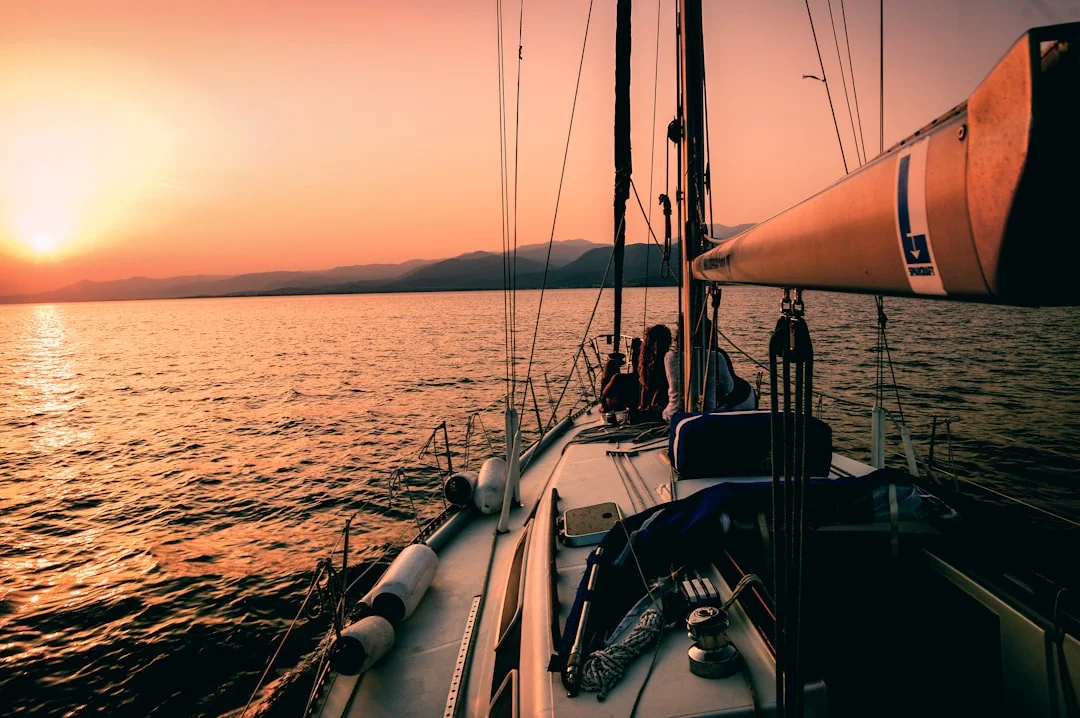
Photo by Markos Mant on Unsplash
BVI Cruising Reality: Geography, Winds, and a True “7-Day” Charter
How the islands lie: building a low-stress Tortola loop
The BVI are laid out like they were designed by a charter skipper with a conscience. Tortola sits on the north side of the Sir Francis Drake Channel, with Norman, Peter, Cooper, Virgin Gorda, and Jost forming a loop of short crossings and plenty of lee. Most days you’re looking at 6–18 nautical miles, which at 5–6 knots is 1–3.5 hours underway—enough sailing to feel earned, not enough to start a galley mutiny.
The channel is “protected,” but don’t confuse that with “flat.” In 15–25 kn easterlies, the gaps between islands can stack up a sharp 2–5 ft chop, especially when wind opposes any leftover swell. Your routing job is mostly about choosing which side of an island to run and which bay has the right angle to the night’s wind.
Seasonal wind and swell patterns that change your bay choice
Trade-wind season (winter into early spring) is dominated by easterlies. That means south-coast and channel-side anchorages often sleep better than north-coast bays, which can get surprise wraparound. When a northerly swell shows up, places that were “fine yesterday” can turn into a rolly dishwasher—particularly exposed north shores and open roadsteads.
A good skipper watches two things: forecast direction and fetch. A bay can be dead calm in 20 kn if the land blocks the wind, and miserable in 10 kn if the swell has a clear runway. When in doubt, choose the anchorage that gives you the shortest open-water line to the horizon.
Time-on-charter math: why Day 1 and Day 7 are not cruising days
Most BVI charters deliver boats around 17:00 on embarkation day and want you back around 09:00 on disembarkation day. That’s roughly 6 full cruising days on a 7-night booking, and it should drive your meal planning and your ambition level. Day 1 is usually: provisioning chaos, briefing, a shakedown sail, and finding a nearby mooring before dark.
Day 7 is the reverse: position near the base, fuel, pump-out if required, pack, and pretend the cockpit wasn’t your crew’s snack shelf all week. If you plan a big crossing on Day 7, you’re betting your flight home on someone else’s fuel dock queue.
One last point that applies everywhere, crowded BVI anchorages included: follow the Navigation Rules mindset—proper lookout, safe speed, and show a white all-round anchor light at night. The islands are relaxed; physics isn’t.
Tip (Seamanship-first BVI rule): Arrive at high-demand mooring fields by 10:00–11:00 in peak season, avoid late-day arrivals to exposed bays, and always name a Plan B bay before you lift the hook.
7-Day BVI Sailing Itinerary (Tortola Loop): Daily Legs, NM, and Plan B Stops
This loop assumes a Tortola base (Road Town / Nanny Cay / Hodges Creek / Soper’s Hole area), a typical charter speed of 5–6 kn, and that you want snorkeling, not bragging rights. Distances vary by exact departure point and tacks, so verify with a chartplotter and a sanity check using a tool to calculate the distance between ports when you’re building ETAs and fuel assumptions.
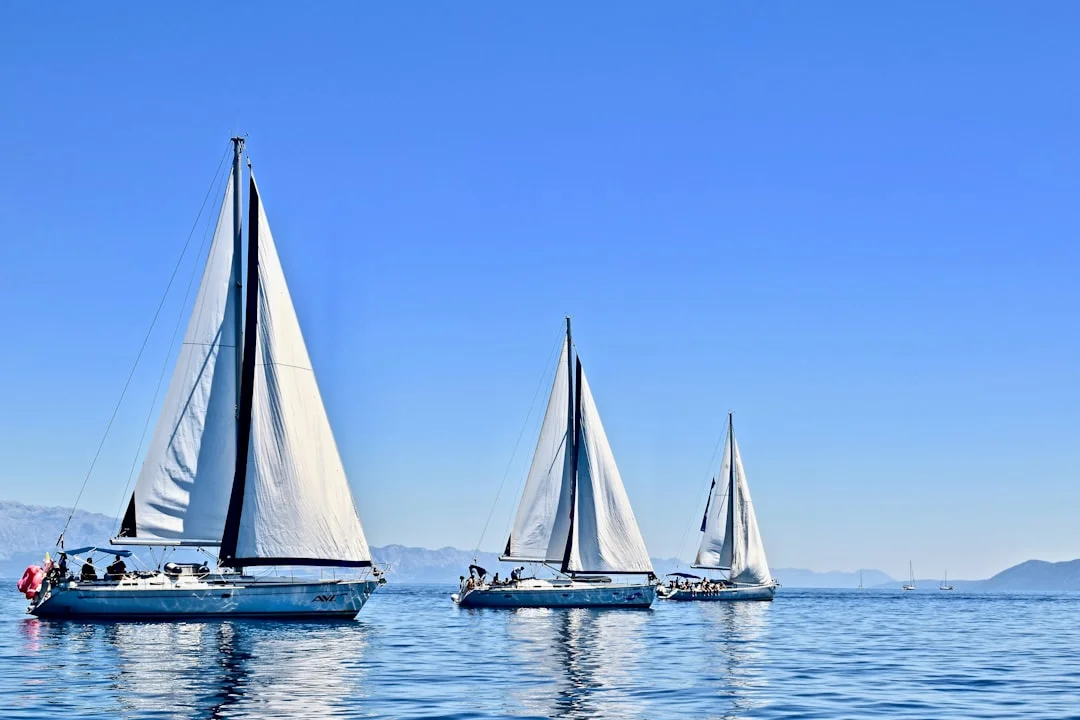
Photo by Karla Car on Unsplash
| Day | Plan A (Overnight) | Approx. NM | Underway @ 5–6 kn | Plan B (if full/rolly) |
|---|---|---|---|---|
| 1 | Cooper Island (Manchioneel Bay) | 6–10 | 1–2 h | Peter Island (Deadman’s Bay) or Norman (The Bight) |
| 2 | Virgin Gorda (The Baths / nearby) | 8–12 | 1.5–2.5 h | Marina: Virgin Gorda Yacht Harbour / or Cooper again |
| 3 | North Sound (Leverick / Bitter End area) | 8–14 | 1.5–3 h | Spanish Town area (if forecast/waiting) |
| 4 | Anegada optional (or stay North Sound) | 12–18 | 2–3.5 h | Scrub/Guana (conditions permitting) or stay put |
| 5 | Jost Van Dyke (Great Harbour / White Bay area) | 14–18 | 2.5–3.5 h | Cane Garden Bay (Tortola) |
| 6 | Norman Island (The Bight) | 10–14 | 2–3 h | Peter Island or Soper’s Hole |
| 7 | Back to base for fuel/checkout | 3–10 | 0.5–2 h | N/A—this day is for margins |
Day 1 (late start): base briefing, shakedown sail, first-night mooring
After a ~17:00 handover, aim for a nearby, low-stress first night. A 6–10 nm hop to Cooper Island or Peter Island is plenty, and it tests your systems without trapping you in a late, tired approach. If you average 5.5 kn for 8 nm, your passage time is 8 ÷ 5.5 = 1.45 hours, so you’ll be on a ball before the last daylight fades.
Days 2–6: the core loop—Norman/Peter, Cooper, Virgin Gorda, North Sound, Jost
The main loop keeps crossings short and gives you multiple “escape hatches” if the wind clocks north or the swell builds. The Baths/National Park-type areas are high-demand, and North Sound can get busy fast, so treat 10:00–11:00 arrivals like a policy, not a suggestion. On Jost, you’ll often trade perfect holding for dinghy convenience—choose based on your crew’s tolerance for wet landings and dark returns.
Day 7 (early finish): positioning for fuel dock and checkout
Plan to be within 3–10 nm of your base the night before, then budget 60–120 minutes for fuel dock and marina maneuvering, plus whatever time the office decides to take. A calm, boring final morning beats a heroic beat to windward that ends with a line-handler shouting at a piling.
Route planning notes: wind angles, timing, and crowd-avoidance
In 15–25 kn easterlies, wind angles matter more than raw distance. A slightly longer leg that keeps you reaching at 60–110° apparent is often faster—and vastly kinder—than a short leg that forces a tight beat into steep channel chop. Use plan your route using a sea distance calculator to compare two realistic tracks, then pick the one that gets you in early with fewer slammed cabinets.
Best Anchorages by Island: Protection, Depths, Bottom, and Bay Selection
Choosing an anchorage in the BVI is mostly an exercise in reading angles: wind direction, swell direction, and how much room you’ll have once the fleet piles in. Typical mooring fields sit in 10–35 ft; if you anchor, your scope and swing circle need to match the crowd density, not your fantasy.
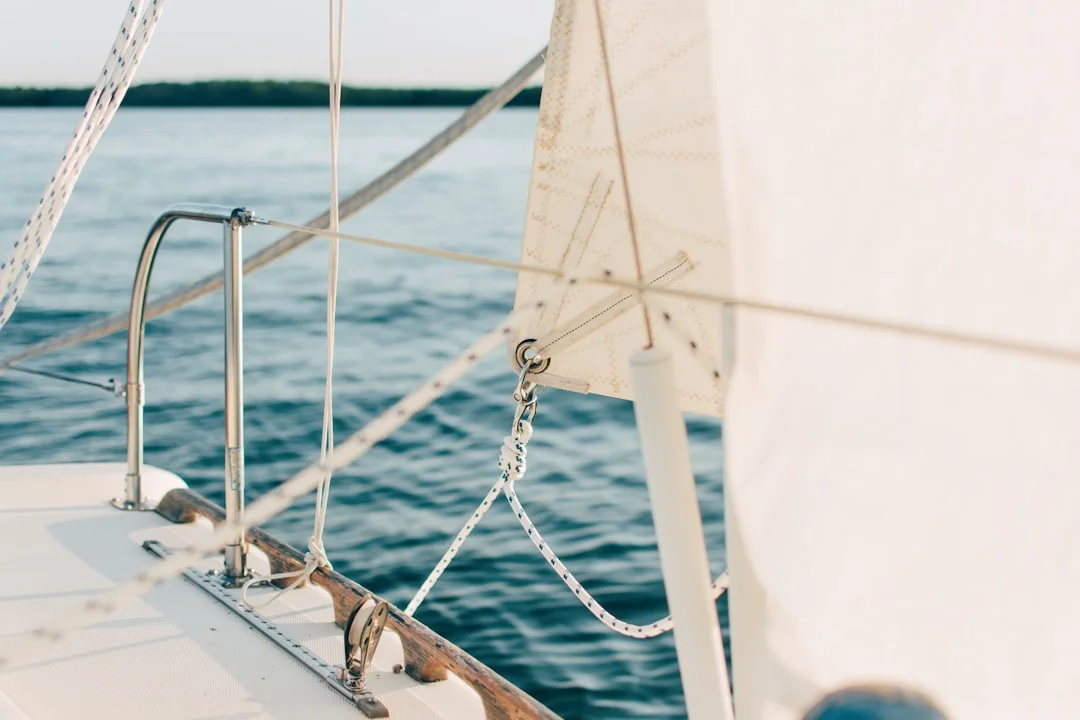
Photo by Ian Keefe on Unsplash
Tortola & nearby cays: easy first-night and last-night holding
For arrival and departure nights, I like bays that keep stress low and exits simple. Soper’s Hole area and nearby south-side options let you tuck in without committing to a long, late sail. Depths commonly run 12–30 ft, which is manageable for the typical charter setup of 60–80 m (200–260 ft) of chain—if you use it correctly.
“Good holding” in BVI sand looks like a clean set with no skating, and it’s confirmed by behavior, not hope. Drop in sand, let the boat fall back, then apply controlled reverse and watch fixed transits for 30–60 seconds. If the transits slide, you’re not set—no matter how comforting the chain looks on the bottom.
Norman/Peter/Cooper: reliable sand, snorkeling access, and surge notes
Norman Island’s The Bight is popular because it’s convenient, not because it’s empty. Bottom is often decent sand in patches, but boats and moorings limit where you can safely swing, so you need a disciplined plan. Cooper and parts of Peter tend to offer clearer sand spots and better snorkeling access, but you still want to think about surge when the trades pipe up.
For anchoring scope, a practical baseline with all-chain is 5:1 for lunch and 7:1 overnight in settled weather. If it’s gusty and you have room, 8:1–10:1 reduces yaw and shock loads, especially on lighter charter cats. Remember to include bow height: 15 ft depth + 5 ft bow = 20 ft, so 7:1 means 140 ft of rode, not 105.
Virgin Gorda & North Sound: wind funneling, traffic lanes, and mooring strategy
Virgin Gorda’s terrain and the channels into North Sound can funnel wind; a forecast 18 kn can feel like more in the wrong gap. Traffic is also higher—taxis, tenders, and charter boats doing their best interpretation of “stand-on vessel.” Keep clear of marked channels and give mooring fields a wide berth until you’re committed to an approach.
In North Sound, plan your mooring pick-up with the wind in mind and keep a second bay in your pocket. If the main field is jammed, you don’t want to be improvising in 25 kn with the sun low and three boats watching you like it’s a sport.
Jost Van Dyke: lee vs. swell exposure and dinghy-landing considerations
Jost is where crews get bold about dinghy runs and casual about weather. Great Harbour is convenient, but wind and swell angle decide whether it’s restful or restless, and shore access can mean a wet step depending on docks and dinghy traffic. White Bay can be gorgeous, but you should think hard about overnight comfort if any northerly swell is running.
A practical dinghy note: most tenders are 8–10 ft with 8–15 hp, cruising 10–15 kn and burning roughly 0.5–1.5 gph depending on load and throttle discipline. That’s plenty to get you into trouble quickly after dark, so keep a light, a dry bag, and a conservative return plan.
BVI Mooring Balls: Costs, Pick-Up Procedure, Bridle Setup, and Chafe Control
Mooring balls are the BVI’s great convenience—and a common source of avoidable problems. Expect $30–$60/night in many popular bays, with some managed/National Park-type areas commonly $40–$75/night depending on site and operator. The money is fine; the seamanship still has to be yours.
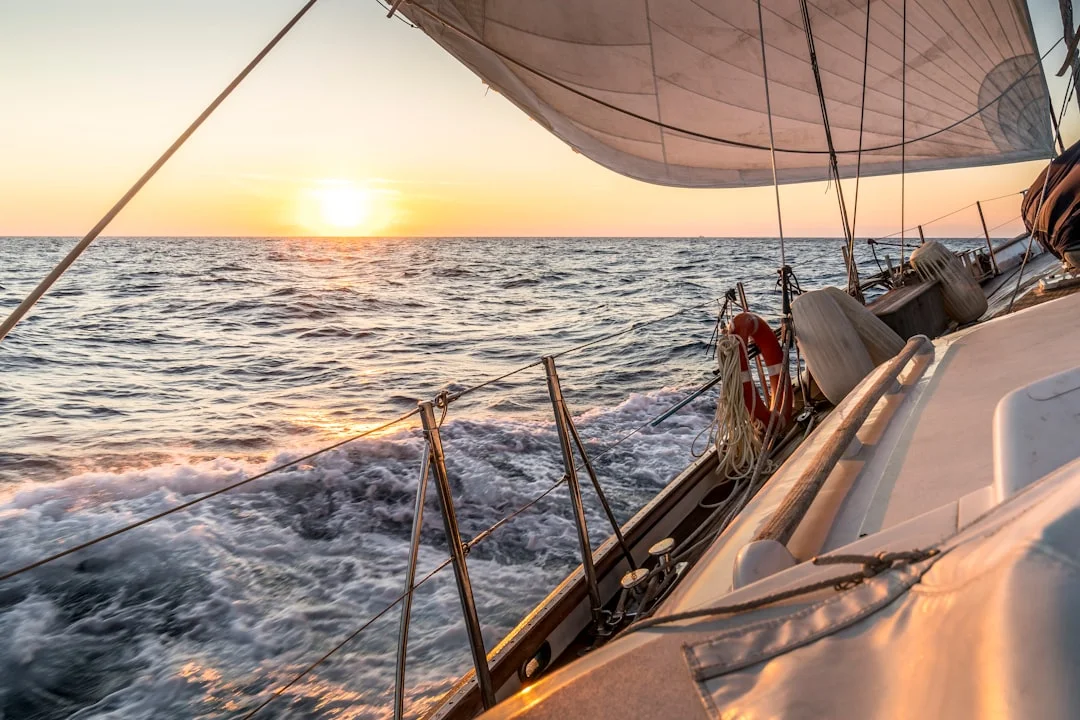
Photo by Marc Wieland on Unsplash
Costs, operators, and what to inspect before committing
Before you commit to any ball, do a quick, unsentimental inspection. Look at the pennant condition, the splice/eye, the hardware size, and whether the line is fuzzed or sun-cracked where it passes through chocks. If anything looks undersized or suspect, reject it and move on—because you won’t like your options at 0200 when the breeze hits 25 kn.
Even a “good” ball can be rigged badly for your boat’s geometry. Cats, in particular, can saw a pennant across a bow edge if you don’t use a proper bridle. ABYC H-40 is the right mental model here: strong points, fair leads, and load paths matter more than folk wisdom.
Short-handed pick-up: helm/bow roles, boat speed, and retrieval technique
In a crowded field, the best pick-up is boring and slow. Put your most precise driver on the helm, and the most calm pair of hands on the bow with a boat hook and a short line ready. Approach at dead slow—often well under 1.5 kn—with the mooring ball slightly to leeward so it drifts toward you, not away.
Hook the pennant’s pick-up loop, bring it aboard, and immediately secure it to a substantial cleat or temporary strong point. Do not leave the load on the boat hook line or a skinny pickup string; those are for retrieval, not for sleeping. Once it’s controlled, you can re-rig cleanly without the “everyone hold your breath” phase.
Catamaran bridle best practice (load-sharing and yaw reduction)
A cat should be on a two-leg bridle, not a single line to one bow cleat. Use two legs about 10–15 ft each, add chafe protection where they pass through chocks, and equalize lengths so the load shares. This reduces yawing, reduces pennant wear, and keeps the boat quieter—your crew will think you’re a magician.
If your charter boat has a factory bridle setup, inspect it anyway. Look for worn chafe points, sharp edges, and whether the bridle leads fair under load. ABYC H-40 doesn’t care that you’re on vacation, and neither does a sawing line.
Testing and chafe prevention: the 60-second routine that saves nights
Once you’re properly attached, do a gentle holding test. I typically back down around 1,200–1,800 rpm (engine-dependent) for 20–30 seconds, just enough to load the system without shock-loading unknown tackle. Watch the pennant angle stabilize and feel for any surging that suggests you’re not actually on the mooring you think you’re on.
Then do the chafe scan: where does the line touch, under real load, with the boat yawing a bit? Add chafe gear, re-lead if needed, and confirm the bitter end is properly secured to strong cleats. This takes one minute now or three hours later, and later is usually raining.
Tip (Mooring routine): Secure first, re-rig second. Then test gently at 1,200–1,800 rpm, and do a chafe check under load before anyone opens a sundowner.
Anegada on a 7-Day BVI Sailing Itinerary: Weather Window and Reef-Smart Navigation
Anegada is the outlier: low-lying, more exposed, and ringed with areas where “close enough” navigation becomes expensive. It’s also spectacular, and that combination tempts skippers into arriving late, tired, and optimistic—three qualities that never improved decision-making afloat.
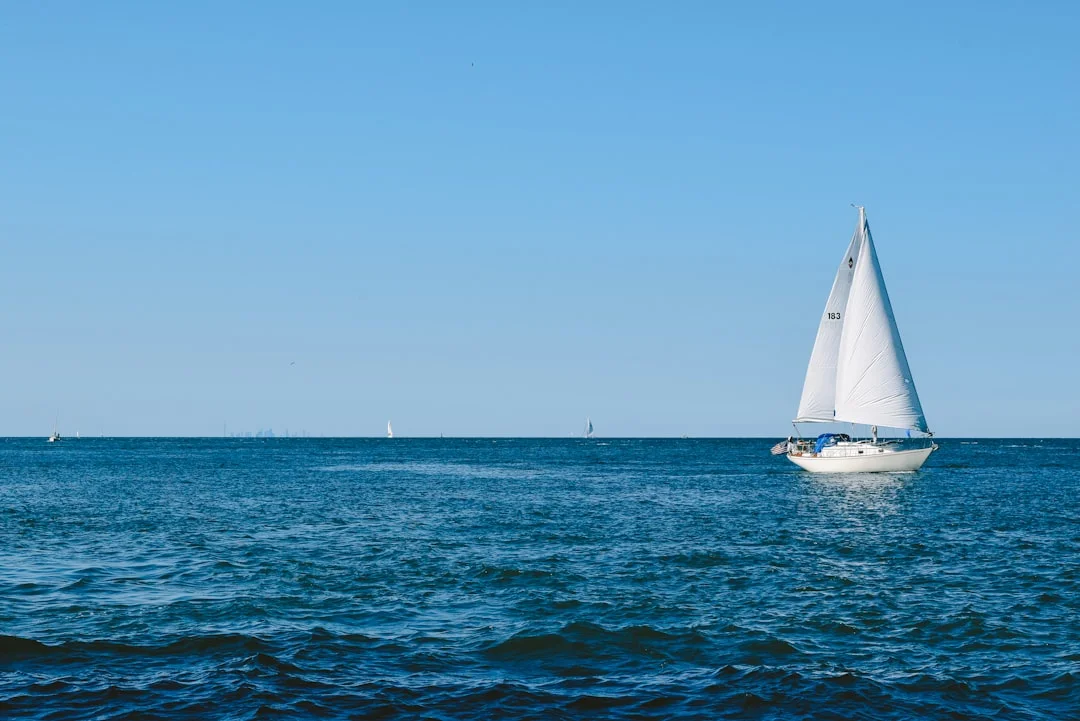
Photo by Tim Gouw on Unsplash
Risk–reward: why Anegada is different from the rest of the BVI
Most of the BVI gives you big visual cues: high land, obvious bays, and plenty of reference points. Anegada is flat, so you lose that depth perception and “there it is” coastline confirmation. In 15–25 kn easterlies, the sea state on the exposed leg can also feel bigger than the nautical miles suggest, which increases fatigue and reduces patience right when precision matters.
Make your go/no-go decision like a professional, not like a tourist with a dinner reservation. If the crew is already cooked, if you can’t arrive in solid daylight, or if you’re feeling rushed by your own itinerary, skip it. Anegada will still be there next time, and your insurance deductible doesn’t care about your lobster plans.
Timing the passage: daylight approach and sun angle for reef spotting
The best single risk reducer is a daylight arrival with the sun high enough to read the water. Target mid-day if you can, when “reef brown,” “sand white,” and “deep blue” are most distinct. If you’re calculating ETA, assume 5–6 kn average and then subtract a margin for chop and short tacks—because you don’t want to be threading shallows at the end of a longer-than-expected leg.
Use check the nautical miles for your planned route before you depart to sanity-check distance and time, then add a buffer so you’re not tempted to carry speed into uncertain water. In reef areas, slow is a safety feature, not an embarrassment.
Conservative navigation practices: waypoints, lookout, and margin
Use updated charts, but don’t “follow tracks” blindly like they’re railroad lines. Set waypoints, cross-check your position with visual water color, and post a dedicated forward lookout when approaching shoal areas. When in doubt, reduce speed early—dropping from 6 kn to 3 kn can turn a bad surprise into a manageable correction.
If Anegada doesn’t fit the week, your alternative is simple: spend that night in North Sound, enjoy the sailing, and keep the rest of the loop intact. Nobody has ever complained about “too much time” in North Sound—except maybe the bar tab.
Clearance, Fees, and Week Budget: What to Expect in Time and Money
A smart BVI week isn’t just routing; it’s protecting your cruising hours from the usual time thieves: clearance lines, provisioning queues, fuel dock waits, and checkout inspections. Plan for them up front, and you’ll stop resenting the islands for your own schedule.
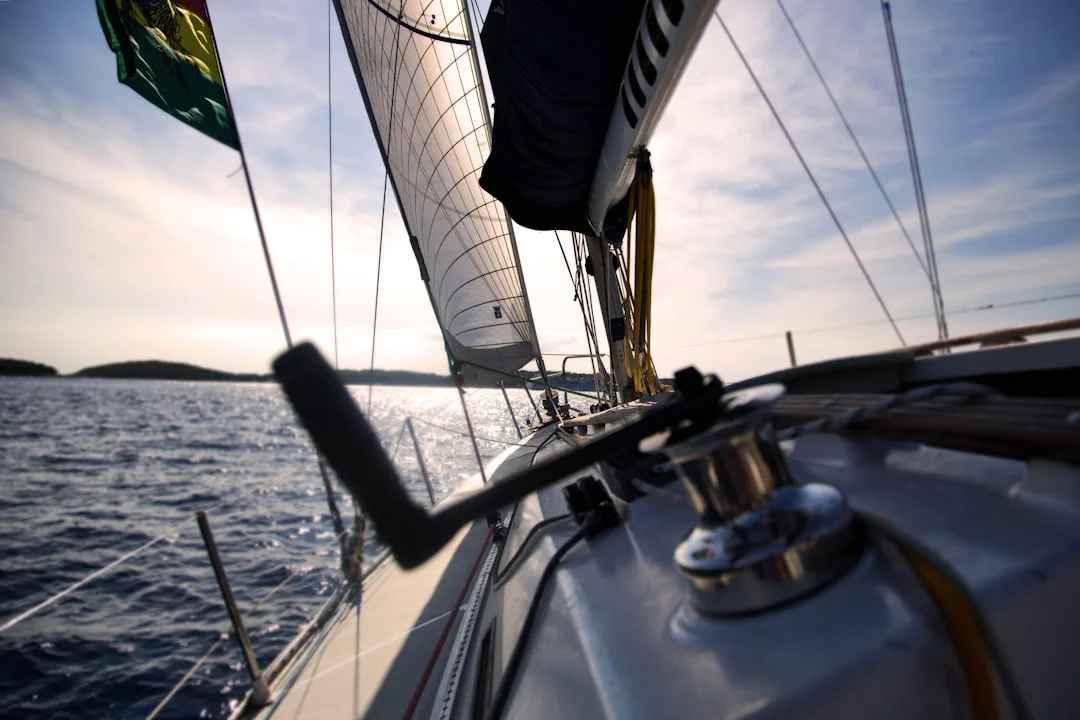
Photo by Jonathan Smith on Unsplash
BVI customs & immigration by boat: documents, process, and timing
Clearance typically means showing passports, vessel documents (your charter company will provide what you need), and a crew list, then paying the applicable processing/cruising fees. In normal hours, budget 1–2 hours for the office visit, and longer in peak weeks when every crew in the Caribbean has the same idea. If you’re clearing at places like Soper’s Hole, build the stop into the day rather than trying to “squeeze it in” before dinner.
Have paperwork organized in a single folder, with printed copies where practical. Yes, digital is great—until the one phone with the crew list goes missing under a beanbag. The most seaworthy admin system is still “boring and redundant.”
Charter-week cost drivers: boat, crew add-ons, moorings, marinas, fuel, water
Your big fixed cost is the boat, and it swings hard by season and size. Add-ons like a skipper ($200–$350/day + gratuity 10–20%) and hostess/cook ($180–$300/day + gratuity) can be worth it if they prevent mistakes or mutiny, but they’re real money. On-water costs are usually manageable: moorings $30–$60/night, managed sites $40–$75/night, and marinas often $1.50–$3.50/ft/night (roughly $60–$160/night for a 40–45 ft boat).
Fuel is the stealth variable because it depends on your discipline. A 40–45 ft cat under power might cruise 6–8 kn and burn roughly 1.0–2.5 gph total, which adds up fast if you motor into the trades instead of sailing. Water can be billed $0.10–$0.40/gal or as a flat $20–$60, so running the tanks dry midweek is both annoying and avoidable.
Water/fuel math for a 40–45 ft charter cat: practical budgeting
Most 40–45 ft charter cats carry roughly 150–250 gallons of water. If you budget 3–5 gal/person/day for 6–8 people, that’s 18–40 gal/day, meaning you can stretch a week—if you stop treating showers like land showers. Do a daily tank glance before happy hour, not after; the goal is calm corrections, not emergency dock runs.
Here’s a reality-based budget snapshot that matches what crews actually spend when they mix moorings, a couple of marina nights, and normal meals aboard.
| Cost line (7 nights) | Typical range (USD) | What changes it most |
|---|---|---|
| Bareboat monohull 35–40 ft (low season) | $3,500–$6,500 | Month, age of boat, promotions |
| Bareboat cat 40–45 ft (shoulder) | $8,000–$14,000 | Cabin count, generator/AC, demand |
| Bareboat cat 45–50 ft (peak/holidays) | $14,000–$25,000+ | Holiday weeks, new builds |
| Moorings (6 nights) | $180–$360 | Popular bays, managed fields |
| 1–2 marina nights | $60–$320 | $/ft rate, boat length |
| Fuel (diesel) | $150–$450 | Motoring into trades, generator hours |
| Water top-ups | $20–$120 | Tank size, shower habits |
| Provisioning (6–8 people) | $900–$2,000 | Alcohol, steak nights, eating ashore |
| Customs/clearance + cruising fees | $50–$200+ | Vessel/crew factors, any agent use |
| Skipper add-on (optional) | $1,400–$2,450 + tip | Number of days, experience level |
Safety and Seamanship in Crowded BVI Anchorages: Standards-Based Habits That Work
The BVI can feel forgiving right up until it isn’t. Crowded anchorages compress margins, and charter boats accumulate small issues—chafe, loose pins, tired crews—that become big issues at 0300. A few standards-based habits (ABYC, ISO, Navigation Rules) keep the week fun instead of “memorable.”
Anchoring and mooring load paths: cleats, chafe, and snubbers (ABYC H-40)
ABYC H-40 is essentially a reminder that loads must go to strong points, led fairly, and protected from chafe. On a charter boat, assume nothing: inspect the cleats, the backing, and the lead angle through chocks before you put the boat’s full windage on it. Use a 5/8 in (16 mm) nylon snubber on chain to reduce shock loads and stop chain noise from turning your forecabin into a percussion instrument.
Scope remains your cheapest safety gear. Use 7:1 overnight as a baseline, increase toward 8:1–10:1 if it’s gusty and there’s room, and always include depth plus bow height plus tide in your calculation. If your crew complains about “too much chain,” they’ll complain less than they would about a nighttime reset in a crowded bay.
Night safety: anchor lights, dinghy visibility, and CO awareness (ABYC H-41 context)
Show the proper white all-round anchor light and keep it on all night. It’s not just compliance with Navigation Rules principles; it’s also a courtesy in a place where dinghies roam like nocturnal insects. Speaking of dinghies: carry a light, go slow, and remember that an 8–15 hp outboard can put you into a bad situation far quicker than it can get you out.
Engine and generator use at anchor deserves respect, especially in flat calms. ABYC H-41 is relevant because exhaust and airflow patterns can trap carbon monoxide in cockpits and cabins. Ventilate, avoid idling in tight raft-ups, and treat any CO alarm as an immediate problem, not an “annoying beeping device.”
If you drag: immediate actions, communication, and reset procedure
If you suspect you’re dragging, act first and diagnose second. Start engines, assign lookout, and get situational awareness: who’s downwind, where’s shallow, what’s your best escape line. Communicate calmly on board, and use VHF properly—monitor Ch. 16 for distress, but keep routine chatter to working channels and low power when close.
Reset with more scope, better placement, and a proper set test. In a crowded anchorage, a “maybe it’s fine” approach is how you end up learning your neighbor’s boat name the hard way. The competent move is decisive action while you still have room.
Frequently Asked Questions
For a 40–45 ft cat, what is the correct step-by-step method to transfer a BVI mooring pennant onto a two-leg bridle without loading the pick-up line or chafing at the bow?
Approach at dead slow (often under 1.5 kn) with the ball slightly to leeward, hook the pick-up loop, and bring the pennant aboard. Immediately secure the pennant temporarily to a strong cleat, then attach a two-leg bridle (10–15 ft per leg) to port and starboard bow cleats with chafe gear at chocks. Transfer load from the temporary tie to the bridle by easing the pennant while taking up bridle slack until the bridle is fully loaded and centered, then stow the pickup line so it carries no load.
How do you calculate anchoring scope in the BVI when the mooring field depth is 10–35 ft—specifically, how do you add freeboard and account for tide to avoid under-scoping overnight?
Use total height from seabed to bow roller, not just charted depth. Example: 15 ft depth + 5 ft bow height = 20 ft total; overnight at 7:1 requires 140 ft of rode. Add expected tide (often 1–2 ft in many conditions) and any swell-induced lift, then increase toward 8:1–10:1 if it’s gusty and you have swing room.
What engine RPM range is appropriate to ‘test’ a BVI mooring ball without shock-loading unknown tackle, and what visual cues confirm the system is holding?
A conservative test is typically 1,200–1,800 rpm in reverse for 20–30 seconds, adjusted for boat and engine. You’re looking for the pennant to come under steady tension with no jerking, the boat to settle back and stop moving astern, and your relative position to fixed shore transits to remain stable. Avoid aggressive throttle changes, which can shock-load tackle you haven’t inspected underwater.
When routing Tortola → Virgin Gorda North Sound, how do typical 15–25 kn easterlies affect apparent wind angle and comfort on common courses, and which track reduces pounding in the channels?
With 15–25 kn easterlies, many direct tracks toward North Sound become close reaches or short beats depending on your exact departure point, and the channel chop can build to 2–5 ft. Comfort improves if you avoid pinching and instead sail a slightly longer, freer angle that keeps apparent wind around 60–110°, then make up easting in a more protected lee when available. The track that reduces pounding is usually the one that minimizes time in the most wind-against-current, open-water funnel and maximizes lee from Virgin Gorda’s landmass.
For an Anegada approach, what practical risk controls (daylight window, sun angle, lookout, speed reduction) most reduce reef-navigation error when entering shallow areas?
Plan for a full daylight arrival and aim for a higher sun angle so you can read water color over reefs and sand. Post a dedicated forward lookout, slow early (often from 6 kn down to 3–4 kn when uncertain), and use updated charts with pre-planned waypoints while cross-checking visually. Don’t follow someone else’s track blindly, and don’t let schedule pressure push you into late or low-light approaches where the island’s low profile removes your normal visual cues.
About the Author
Related Articles
Sailing Greece Itinerary: Cyclades & Saronic (7–14d)
Plan the perfect sailing Greece itinerary with 7–14 day routes through the Cyclades & Saronic. Get the day-by-day plan and start booking now.
By Breezada Team
Best Yacht Charter Destinations by Month Guide
Plan the perfect trip with the best yacht charter destinations by month. Find where to go each season and start booking your charter today.
By Breezada Team
Mediterranean Marina Fees 2026: Italy, Greece & Croatia
Compare Mediterranean marina fees 2026 for Italy, Greece and Croatia. Plan your route and budget—read the latest guide now.
By Breezada Team
Croatia Sailing Itinerary: Split to Dubrovnik (7 Days)
Follow this 7-day Croatia sailing itinerary from Split to Dubrovnik—route, stops, tips, and map. Plan your trip and start sailing today!
By Breezada Team