La Maddalena Sailing Itinerary: Quiet 7-Day Sardinia
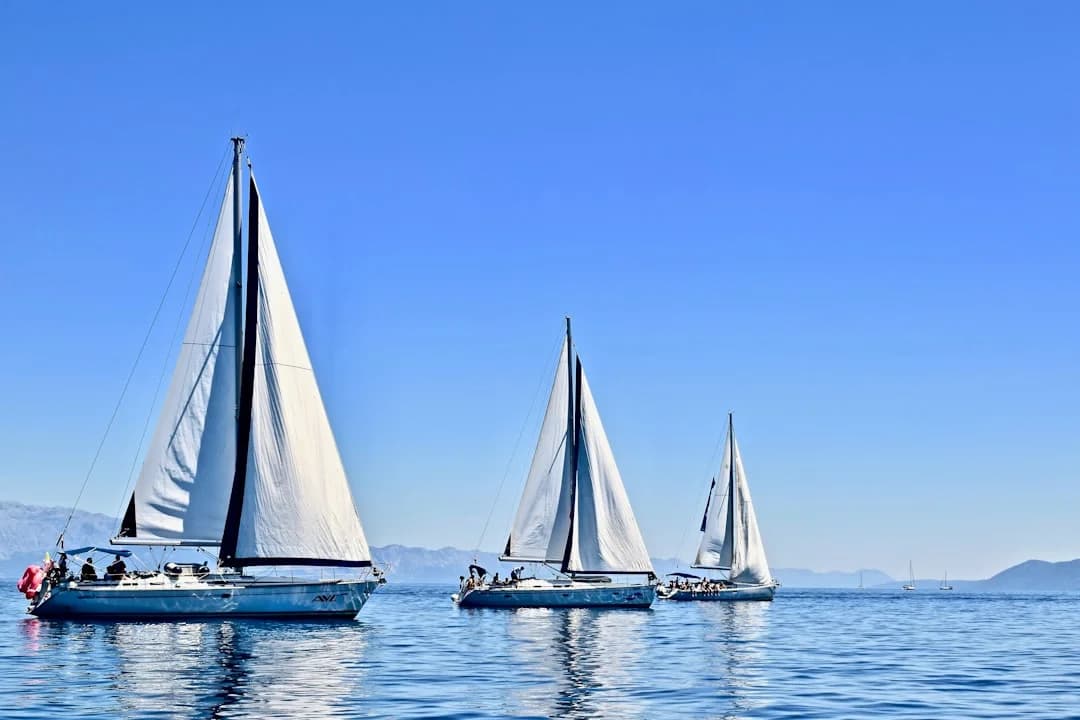
Sailing the La Maddalena Archipelago is the closest thing I know to an “Amalfi-style” week without spending half your holiday idling in someone else’s wake. You get granite islands, absurdly clear water, and coves that are genuinely protected—plus legs so short you can finish coffee before you need to trim a sail. The trade-off is simple: this area stays beautiful because it’s managed, and that means rules, buoy fields, and a bit of skipper discipline.
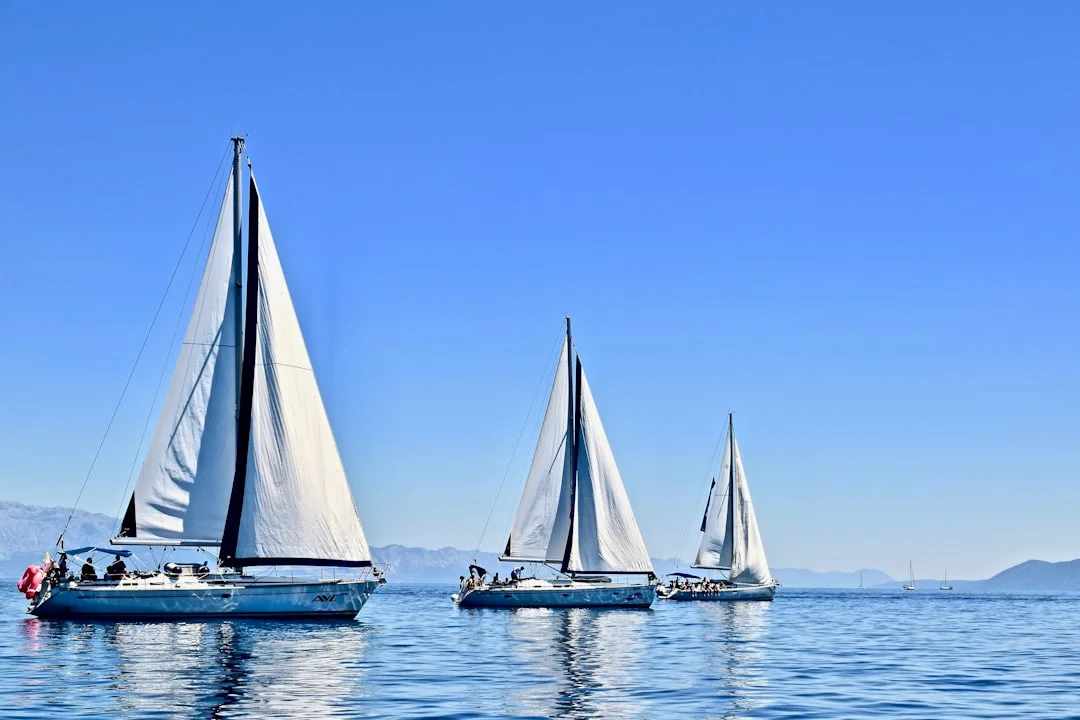
Photo by Karla Car on Unsplash
Why Sardinia & La Maddalena Are the Quieter Amalfi Alternative
The Amalfi Coast is iconic, but it’s also a contact sport in July. La Maddalena gives you the same “pretty coastline, short hops, swim all day” rhythm, with more elbow room and far better water clarity. The islands are low, hard granite with sandy pockets, so you’ll spend more time in 2–8 meters over sand and less time staring at cliffs wondering where the swell is coming from.
The big reason it works is what I call micro-cruising geography: most legs inside the archipelago are 3–12 nautical miles. At a relaxed 5–7 knots, that’s often 40–120 minutes underway, which means you can arrive early, anchor calmly, and be swimming while the day boats are still queuing for espresso. If you want a quiet itinerary, those short legs are your secret weapon—early arrivals and midday relocations beat any “hidden cove” list.
This is also a protected place with teeth. The Parco Nazionale dell’Arcipelago di La Maddalena (est. 1994) is managed with Marine Protected Area-style zoning: sensitive bays may be buoys-only, anchoring may be limited to specific patches, and enforcement is real in peak season. Those restrictions are not there to ruin your fun; they’re why you can still see chain links in 6 meters and why Posidonia meadows haven’t been turned into brown scars.
A realistic expectation helps: most Sardinia charters run 7 nights / 8 calendar days (Saturday–Saturday), even though people call it a “7-day” trip. I’ll describe it as 7 sailing days with one arrival/check-in day baked in. Seasonally, I like late May to late June and September: longer daylight than you need, water warming into the low 20s °C, and fewer flotillas. Mid-summer is glorious too—just plan around the Mistral (NW), and treat highlights like Spiaggia Rosa (Budelli) as view-only/controlled access, not a beach day.
Before You Go: Bases, Documents, and All‑In Charter Budget
Choosing the right base is half the battle, because the first and last 24 hours are when charters chew up time. North Sardinia gives you three practical gateways—Palau, Cannigione, and Olbia—and each has a different “pain profile” for transfers, provisioning, and marina congestion. If you’re serious about a quiet La Maddalena sailing itinerary, pick the base that gets you into the islands fastest, not the one with the fanciest brochure photos.
Choosing a Base: Palau vs Cannigione vs Olbia
Palau is the quickest shot into the archipelago, and that matters when your first day is already eaten by check-in. Cannigione is calmer for provisioning and departures, but you’ll add a few miles before you’re in the best granite-and-sand playground. Olbia is the logistics king—airport convenience and big supermarkets—but you’ll spend more time motoring out of the industrial feel before the scenery turns cinematic.
| Base | Best for | Typical first-leg reality | Logistics notes |
|---|---|---|---|
| Palau | Fastest access to La Maddalena | 8–12 nm to La Maddalena town depending on route | Busy marina; strong ferry traffic nearby |
| Cannigione | Easier provisioning, calmer start | Usually 10–18 nm before you’re deep in the archipelago | Good staging for Costa Smeralda “dip” |
| Olbia | Easiest airport transfer, big stores | Longer escape leg; plan more engine time | Great for late arrivals; more urban |
Transfers are a real cost lever. A private transfer from Olbia airport to Palau/Cannigione commonly runs €120–€220 one-way, depending on vehicle size and time. If you’re 6–8 crew with luggage, that’s not where you want surprises.
Bareboat Eligibility in Italy: ICC, VHF/DSC, and Crew List Reality
Italy is not casual about paperwork when a charter company is on the hook. Most operators want an ICC (International Certificate of Competence) or an accepted national equivalent, and they often require a VHF Short Range Certificate (SRC) if the boat has DSC capability. Bring originals, not screenshots—bases routinely check documents at the desk before they hand you the keys and start the inventory walk-through.
Expect to fill out a crew list with passport/ID details, and don’t treat it like a formality. Harbormasters and park authorities can ask for it, and the charter company wants a clean chain of responsibility if anything goes sideways. If your crew changes mid-week (it happens), tell the base; surprises are great in anchorages, not in admin.
What a 7-Night Week Really Costs (and What It Doesn’t Include)
Charter sticker price is only the first slice. For a 40–45 ft monohull, bareboat weekly rates are typically €2,500–€4,500 in shoulder season and €6,000–€10,000+ in peak, depending on model year, equipment, and base. Add the usual “mandatory” items: final cleaning €150–€250, plus either a security deposit €2,000–€5,000 or a damage waiver €250–€600/week with a reduced deposit.
Skipper costs are predictable: €180–€250/day (about €1,260–€1,750/week) plus food, and they often need their own cabin. A hostess typically runs €140–€200/day (about €980–€1,400/week) plus food. If you’re trying to keep it quiet and simple, anchoring legally is the main budget lever: marinas in high season often land at €90–€200/night for a 40–45 ft boat, before any extra for water or electricity.
Here’s the honest stack most crews actually pay:
| Cost item (7 nights) | Typical range | Notes |
|---|---|---|
| Bareboat charter (40–45 ft) | €2,500–€4,500 shoulder / €6,000–€10,000+ peak | Model and base matter |
| Skipper (optional) | €1,260–€1,750 + food | €180–€250/day |
| Hostess (optional) | €980–€1,400 + food | €140–€200/day |
| Final cleaning | €150–€250 | Usually mandatory |
| Deposit or damage waiver | €2,000–€5,000 deposit or €250–€600 waiver | Ask about prop/anchor exclusions |
| Fuel | €50–€200+ | Plan 20–80 L at €1.80–€2.20/L |
| Extras (outboard, SUP) | €80–€150/week each | Outboard is rarely “optional” in practice |
| Provisioning | €175–€420 per person/week | €25–€60 pp/day |
| Transfers | €240–€440 round trip | Olbia ↔ Palau/Cannigione typical |
If you like precise planning, use a tool to calculate the distance between ports before booking: a 10–15 nm difference on day one can mean 2–3 extra engine hours over the week, plus less time in the water. Quiet itineraries are built on time margins, not hero moves.
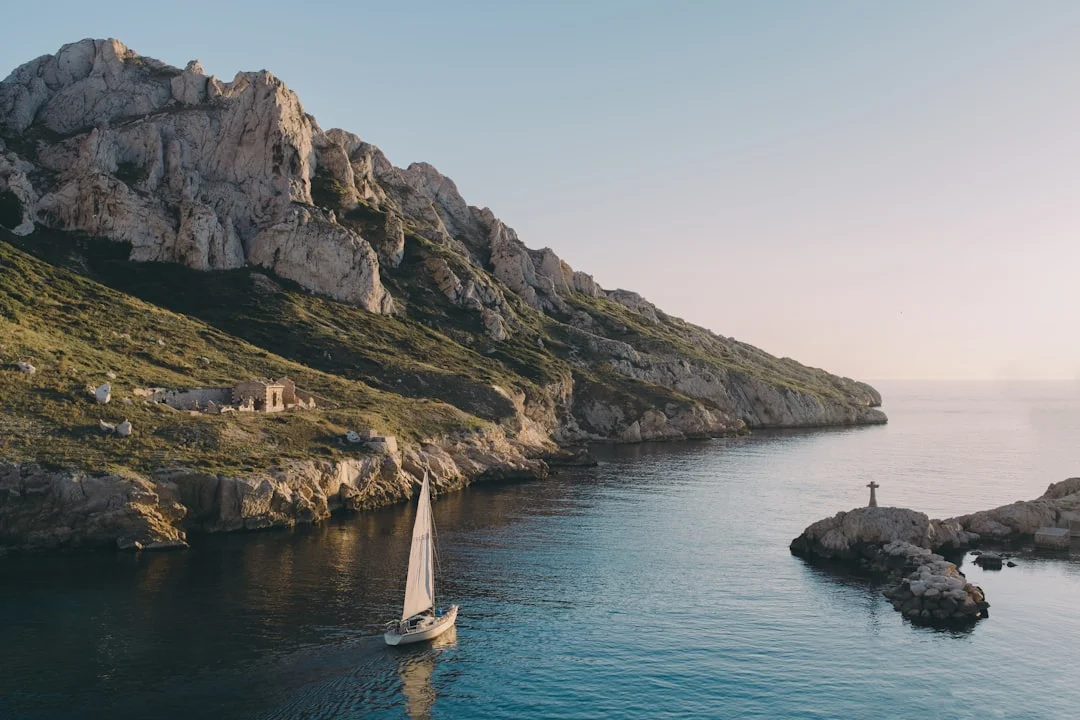
Photo by Matthieu Da Cruz on Unsplash
Boat Choice & Technical Setup for La Maddalena Cruising
For this area, the sweet spot is a 40–46 ft (12–14 m) monohull with 3–4 cabins and 2 heads. That size gives you decent tankage, a stable platform for afternoon sea breezes, and access into the shallow sandy pockets that make La Maddalena special. Go much bigger and you’ll spend more time hunting depth and less time enjoying the anchorage; go much smaller and you’ll run out of water, shade, and patience.
Draft is the first technical decision that affects your whole week. A fin keel around 2.0–2.4 m sails nicely and points well when you’re beating into a gusty NW. A shoal option around 1.6–2.0 m buys you comfort in tight sandy bowls and reduces the “depth anxiety” when you’re threading between posidonia patches. Either way, your depth sounder will get more attention than your plotter.
Tender-first cruising is not a lifestyle choice here—it’s access. Many of the best quiet beaches are dinghy landings, and some regulated bays are easier to enjoy if you can leave the yacht settled and shuttle ashore without dragging anchor chains across sensitive bottom. A 2.3–2.9 m tender with a 2.5–6 hp outboard is the practical baseline, and it’s often an add-on; budget €80–€150/week if it’s not included.
Systems planning is what separates a relaxed week from a constant “who used the last of the water” debate. Typical water tanks are 300–600 L; with 20–40 L per person per day, a crew of 6 can burn 120–240 L/day if everyone showers onboard like they’re at home. Plan to top up every 2–3 days and treat marina water as a logistics stop, not a nightly habit.
On safety and compliance, don’t get lost in acronyms—use them as a checklist mindset. Charter boats are CE-marked under ISO frameworks like ISO 12217 (stability/design category) and should align with basics like ISO 15083 (bilge pumping) and ISO 9094 (fire protection). Underway, it’s still COLREGS and the SOLAS V principle of voyage planning: check your lights, know your traffic picture, and don’t “wing it” through ferry lanes because the water looks friendly.
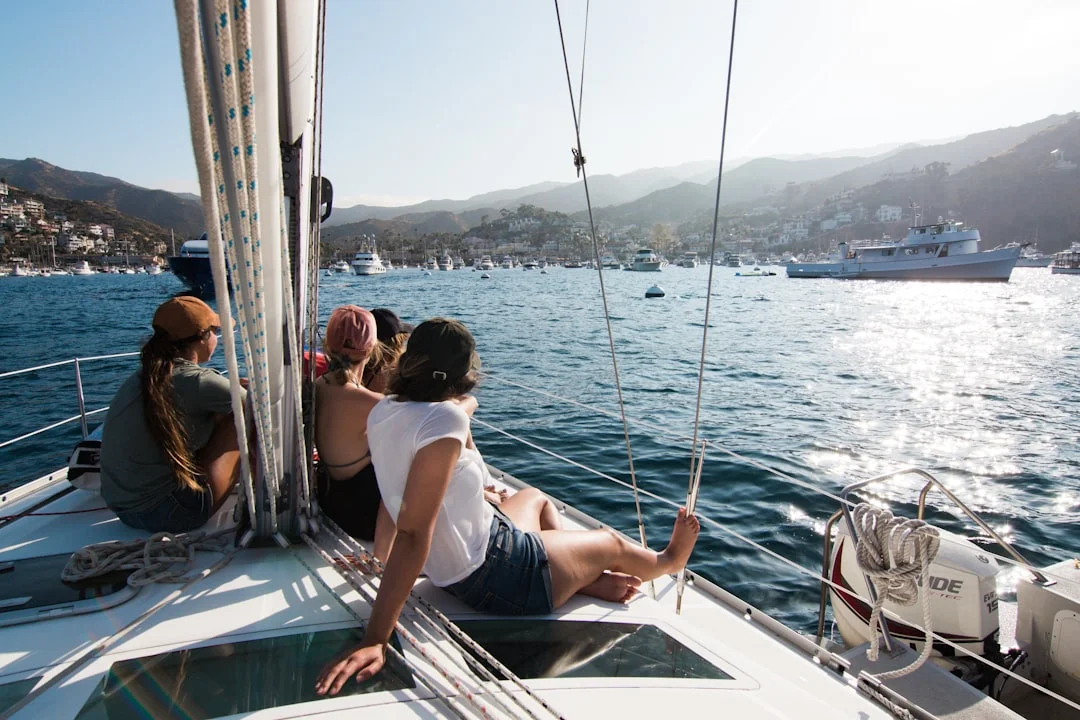
Photo by Luke Bender on Unsplash
Route Planning: Palau to La Maddalena Distances, Timing, and Strategy
The best planning trick in this area is to stop thinking in “days” and start thinking in windows. You typically have a calm-ish morning, a busier midday with day boats, and an afternoon when the breeze can build—especially when the Mistral is in the background. If you time your moves to arrive before lunch, you’ll get the pick of sand patches or the right buoy, and you won’t be forced into bad holding because you’re tired.
Sea-Distance Math: NM, Speed, and Your Real Day Schedule
Inside the archipelago, plan legs of 3–12 nm and assume 5–7 knots average once you include course changes, traffic avoidance, and the odd “why is the autopilot doing that” moment. A simple example: 10 nm at 5.5 knots is about 1 hour 50 minutes underway, before anchoring, backing down, and running the tender. Realistically, add 30–45 minutes for a tidy arrival: fenders ready, anchor plan agreed, snorkel masks located, and someone assigned to keep watch for swimmers.
The gateway leg most crews care about is Palau to La Maddalena town, roughly 8–12 nm depending on your route and where you cut through. That’s short enough to do on day one even after a slow check-in, but only if you keep your departure disciplined. If you want to sanity-check legs, plan your route using a sea distance calculator to compare “straight line optimism” versus the actual routing around shoals and restricted zones.
Crowd-Avoidance Tactics: Early Arrival, Lunch Stops, and Leeward Picks
Quiet in La Maddalena is rarely about finding a secret bay; it’s about arriving when the bay is quiet. In July and August, popular swim stops can be packed from 11:30 to 16:30, then empty out like someone rang a bell. I often do a short morning sail, settle in early, and then shift 3–5 nm after lunch to a second anchorage for the night once the day boats peel off.
Wind direction does a lot of the crowd filtering for you. In a NW Mistral, the west-facing coves get bouncy and loud, and the east shores become the “quiet refuge” because they’re flatter and more comfortable. You’ll also notice acceleration near headlands and gaps, which can turn an easy 6 nm hop into a wet, hobby-horsing slog if you pick the wrong side at the wrong time.
Decision Triggers: When to Motor, When to Reef, When to Stay Put
Plan to motor more than your ego wants to admit. Between calm mornings, tight buoy fields, and marina docking, most crews rack up 10–20 engine hours in a week, which at 2–4 L/h is 20–80 L of diesel. That’s not failure; it’s what keeps arrivals controlled and anchor sets clean. To keep the budget honest, estimate your fuel needs based on the voyage distance before you commit to extra detours or “one more bay” moves.
My decision tree is blunt: if the wind direction makes your intended bay uncomfortable, switch sides early. If the gusts are building and you’re tempted to “just squeeze through” a channel, reef before you enter it, not after you’re committed. And if the Bonifacio area looks angry, you stay put—no itinerary is worth a broken sleep and a bent pulpit.
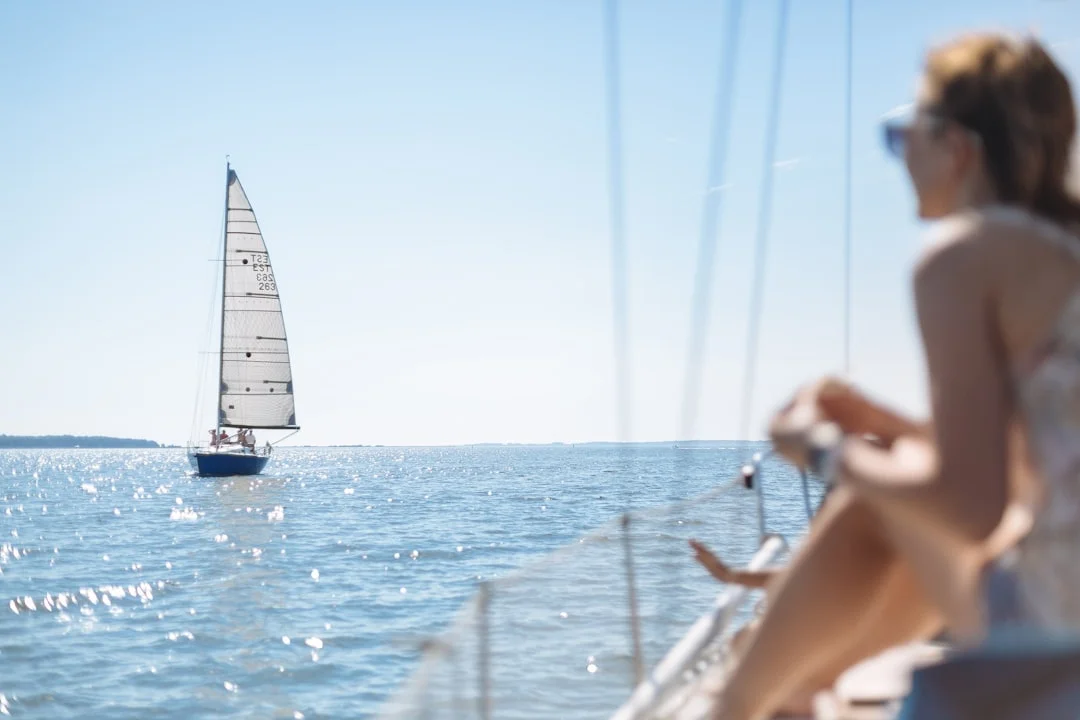
Photo by Kaur Martin on Unsplash
7-Day La Maddalena Sailing Itinerary (7 Nights / 8 Days)
This loop is written for the standard Saturday–Saturday charter cadence: you board on Day 1, you sleep aboard seven nights, and you hand the boat back on Day 8. I’m describing it as 7 sailing days, because that’s how it feels when you’re managing water, fuel, and crew energy. Daily targets are mostly 3–12 nm, with one optional longer reposition of 12–18 nm if you want a Costa Smeralda taste.
Day 1–2: Palau Shakedown, Spargi & First Quiet Night
Day 1 (Sat): Check-in, inventory, and an honest shakedown sail. If you clear the dock by mid-afternoon, do the 8–12 nm hop toward La Maddalena waters and pick a protected anchorage where you can test the windlass, instruments, and the crew’s ability to coil lines without starting a union. Underway time is typically 1.5–2.5 hours at 5–7 knots, plus your anchoring routine.
Night 1 strategy: Anchor (when legal) for quiet and to keep costs at €0. Set the boat up for an easy morning: snorkel kit sorted, tender inflated, and the anchor alarm tested.
Day 2: Keep it short: 3–8 nm around Spargi-style scenery, using one bay as a lunch stop and a second as your night anchorage. If you want quiet, move after 15:00 when the day boats thin out, then settle for the evening with plenty of swinging room. Plan 0.5–1.5 hours underway total, and you’ll still feel like you “sailed all day.”
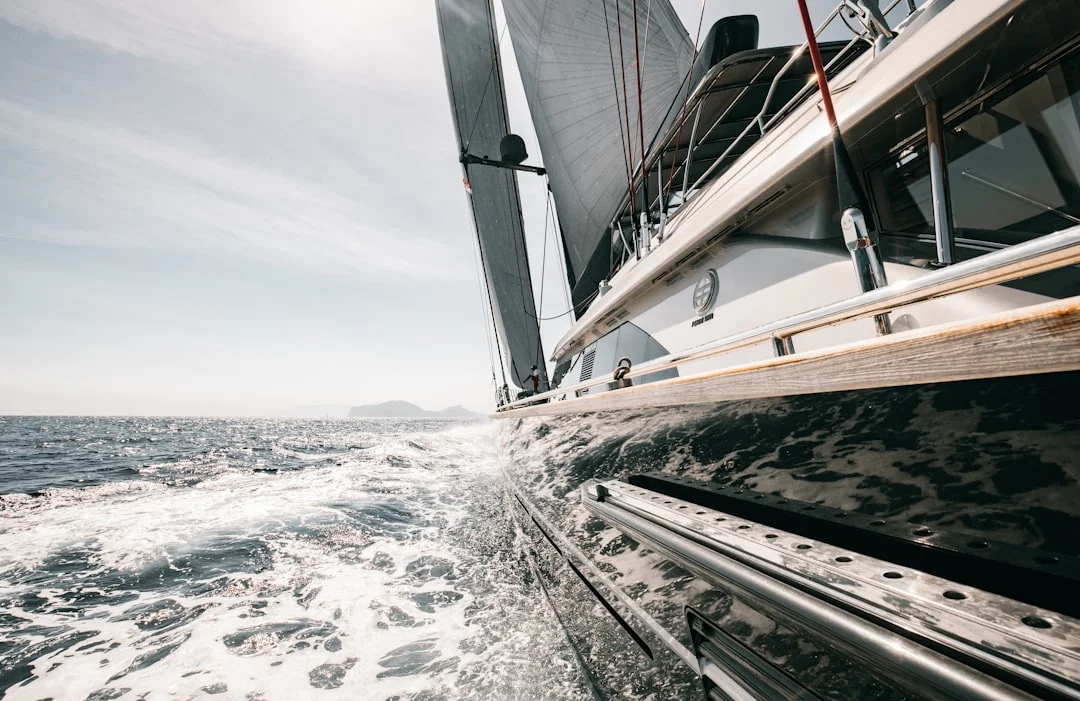
Photo by redcharlie on Unsplash
Day 3–4: Budelli Viewpoints, Caprera Bays, and La Maddalena Town
Day 3: Make Budelli a compliance-first stop. You can view Spiaggia Rosa from the water, but landing and sand collection are prohibited, and controls are enforced—so treat it as a slow pass and photo moment, not a beach plan. Keep the leg modest, around 6–12 nm, and choose an anchorage based on wind direction and park rules rather than “what looks nice on Instagram.”
Night 3 strategy: If buoys are required in your chosen bay, use them and sleep well. If anchoring is allowed, pick sand patches and set with discipline—this area has too many boats to be casual about dragging.
Day 4: Work toward Caprera and then into La Maddalena town for a reset. A marina night here is a good “bail-out” even for quiet itineraries: showers, laundry, water top-up, and an easy trash run. Budget €90–€200 for the night in high season for a 40–45 ft, and assume electricity/water may be extra.
Day 5–6: Eastern Shelters for Mistral + Optional Costa Smeralda Dip
Day 5 (Mistral-ready): If the NW is in, shift to east-facing shelters where the sea state is flatter. Keep it 3–10 nm and focus on comfort: a quiet cockpit, less roll, and a clean swim ladder experience. This is where your “quieter Amalfi alternative” claim becomes real—most crews are hiding from chop, and you’re tucked in with a book.
Day 6 (optional extension): If you want a short Costa Smeralda sailing itinerary taste, pick a weather window and do a controlled reposition of 12–18 nm. Use Breezada’s sea distance calculator to sanity-check the extra miles and the likely fuel/time cost, because these “quick detours” often add 2–4 engine hours over the week. If the forecast looks unsettled, skip it and stay in the archipelago—there’s no shortage of water clarity here.
Day 7: Short Final Hop, Fuel/Water, and Stress-Free Check-Out
Day 7: Start working back toward your base with short hops, ideally 6–12 nm total. Top up fuel so you’re not playing marina roulette on check-out morning, and refill water if you’ve been generous with showers. Arrive near base early enough to troubleshoot: a sticky winch, a tender that won’t start, or a missing fender tends to reveal itself only when you’re trying to look organized.
Night 7 strategy: I like a marina near the base on the final night. Yes, it costs €90–€200, but it buys you a calm morning, easy packing, and fewer “we’re late” docking dramas in front of the charter manager. The quietest itinerary is the one that ends without a collision report.
Best Anchorages, Mooring Buoys, and Park Rules (Avoid Fines)
La Maddalena’s water looks like it was filtered, but that clarity is fragile. The park’s zoning and buoy systems are aimed at reducing anchor damage in sensitive areas, especially around Posidonia seagrass. The rules can vary by bay and season, so your job is to treat local signage and harbor authority guidance as primary sources, not rumors from a cockpit two boats over.
Zoning Logic: Why Some Bays Are ‘Buoys Only’
Since 1994, the Parco Nazionale dell’Arcipelago di La Maddalena has operated with a managed approach that feels like an MPA: some places allow anchoring on sand, others steer boats to a mooring buoy system, and a few spots are strictly controlled. Practically, this means your “best anchorage” list must stay flexible. If you arrive and see buoys and restriction signage, you adapt, you don’t argue with the universe.
Budget-wise, buoys can cost money depending on the system in place, and marinas definitely do. But fines and damaged seabed are more expensive in the long run, and they’re a good way to end up with your charter company asking unpleasant questions about your seamanship.
Anchoring Without Damage: Sand vs Posidonia and Scope Discipline
Anchoring well here is mostly about choosing the right bottom. In clear water you can read color: sand is lighter, Posidonia is darker and textured, and rock looks like, well, rock waiting to eat your gelcoat. Use your eyeballs first, then confirm with the sounder, then drop precisely—this is not the place for a lazy “somewhere around here” approach.
Your typical charter ground tackle is a 16–25 kg anchor with 50–70 m of chain, often 8 mm on a 40–45 footer. In settled conditions, a 4:1 scope can work in tight bays; if it’s gusty or you expect wind shifts, 5:1–7:1 is the sane range if swinging room allows. Always do a proper set: lower, don’t free-fall if it’s tangly, then back down progressively and confirm you’re not creeping.
Practical skipper tip: Set an anchor alarm with a realistic radius, then verify holding by watching your track over 3–5 minutes after backing down. If your position “walks” consistently in one direction, you’re not set—you’re sightseeing.
Budelli & Spiaggia Rosa: What You Can (and Can’t) Do
Budelli’s Spiaggia Rosa is the headline restricted site for good reason. Landing is prohibited and controls are enforced; collecting sand is not just frowned upon, it’s illegal. The correct way to “do” Spiaggia Rosa is a slow, respectful view from the water or tender while complying with any local controls, then move on to a legal swim spot.
If you want to keep the week quiet and low-impact, treat protected highlights as look-but-don’t-touch moments. It’s more relaxing than arguing with a ranger boat, and it keeps this place worth sailing in another 20 years.
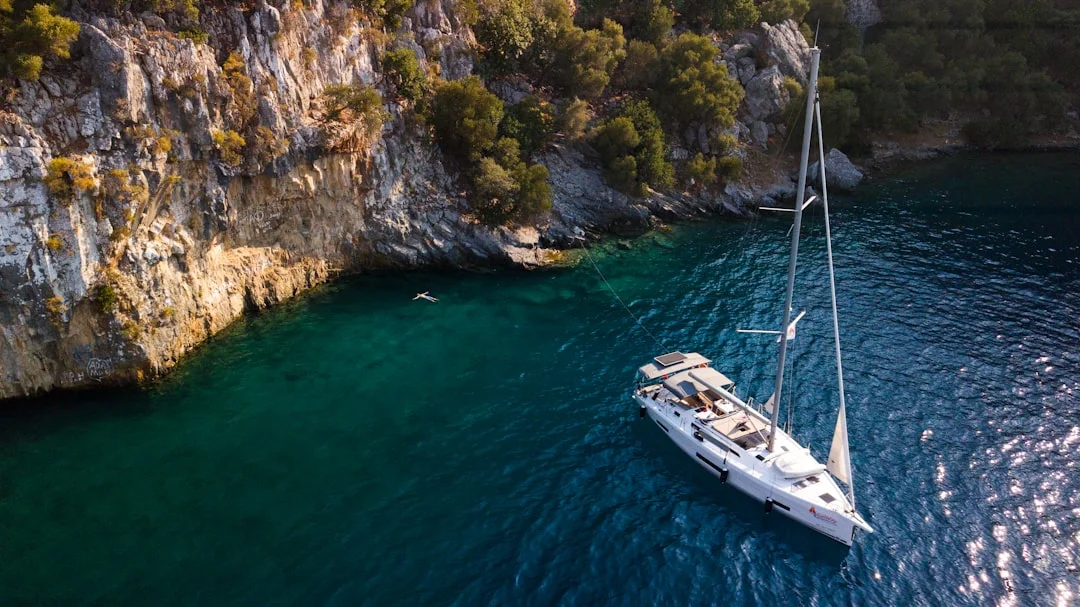
Photo by Dylan Shaw on Unsplash
Weather & Seamanship: Mistral Planning and Bonifacio Strait Risk
North Sardinia rewards basic seamanship and punishes complacency. The Mistral wind is the dominant summer pattern, typically blowing from the NW, and it can arrive with a sharp edge: gusts, rapid sea-state changes, and uncomfortable acceleration zones near headlands. The archipelago gives you many hideouts, but only if you choose them with wind and swell in mind.
Reading the Pattern: Mistral Onset, Acceleration Zones, and Sea State
In Mistral conditions, the sea can stand up quickly, especially where wind funnels. The Bonifacio Strait is the classic troublemaker: acceleration through the gap and short steep chop that turns a pleasant sail into a pounding contest. Even if you’re not crossing to Corsica, you’ll feel the effect near exposed channels and capes—so keep legs short and time moves early.
I avoid promising wind-speed numbers because forecasts vary by model and local effects are real. What matters is the pattern: if it’s trending stronger through the afternoon, you depart earlier and anchor earlier. If whitecaps are building and your crew’s comfort is sliding, you pick leeward water and accept that today is a swim-and-read day.
Leeward Routing: East-Coast Shelters and ‘Stay-Put’ Criteria
Your safest “quiet itinerary” move in a NW is usually to hide on east-facing shores, where chop is reduced and anchor holding is easier to manage without snatch loads. Make your Plan A/Plan B choices before you leave the anchorage, not after you’re committed to an exposed reach. This is basic SOLAS V-style voyage planning applied to pleasure sailing: route, alternates, and a clear “stop” decision.
My stay-put criteria are simple: if the route requires crossing an exposed gap with building sea state, or if the only available anchorages are marginal for the forecast direction, you don’t go. Nobody ever regretted an extra afternoon swim because they were “behind schedule.” People regret cracked dodgers, seasick crews, and dragging anchors at 03:00.
Operating Safely in Summer Traffic: Ferries, Day Boats, and COLREGS
Summer traffic is intense: ferries on schedules, fast RIBs on missions, and rental boats on guesses. This is where COLREGS stops being a chapter you once studied and becomes a daily habit: proper lookout, clear intentions, and avoiding last-second course changes in narrow water. Keep VHF volume up, but don’t use it as a substitute for not getting in the way.
Onboard standards matter here too. Your electrical and bilge systems should be checked like a professional, even on a charter: ISO frameworks such as ISO 13297/10133 (AC/DC) and ISO 15083 (bilge pumping) exist for a reason, and your pre-departure routine should reflect that. A working bilge pump and a charged handheld light are boring—right up until they’re not.
Logistics Underway: Marinas, Water/Fuel, Power, and Quiet Shore Stops
A quiet one-week sailing Sardinia plan still needs logistics, just not every night. With 300–600 L of water aboard and a realistic burn of 20–40 L per person per day, most crews should plan a top-up every 2–3 days if they’re showering onboard. Trash, ice, and a proper grocery run usually fit naturally with a town stop, rather than dragging you into marinas nightly.
Power is the other reality check. Shore power in Italy is 230V/50Hz, and pedestal plugs vary, so bring or confirm you’ll have the right adapter. If your crew expects air-conditioning, be clear-eyed: A/C normally needs a generator or consistent marina power, and “we’ll just anchor with A/C” is a fantasy in most standard charter setups.
Marina versus anchorage is always a trade. Anchoring (where legal) keeps the budget under control and the nights quiet, while marinas buy you showers, laundry, and easy battery charging—at €90–€200/night for a 40–45 ft in high season, sometimes more in the Porto Cervo orbit. Fuel budgeting is straightforward: plan diesel at €1.80–€2.20/L, and assume you’ll buy 20–80 L over the week depending on how much you motor in calms and tight maneuvering.
For shore time that doesn’t feel like you’ve joined a parade, keep it simple. An evening walk and dinner in La Maddalena town works because you arrive by boat, not by bus. Caprera has quiet paths and views that don’t require a beach club reservation, and most “best beach” moments are tender hops from a settled anchorage, not a dock-to-dock marathon.
Frequently Asked Questions
For a Palau to La Maddalena sailing route, what is a realistic passage-time range for 8–12 nm at 5–7 knots when factoring ferry traffic separation and anchoring setup time?
Underway time for 8–12 nm at 5–7 knots typically lands around 1:15 to 2:15. Add 20–45 minutes for ferry-lane awareness, speed adjustments, and a proper anchoring routine (positioning, setting, and tidying). In peak season traffic, I plan “dock to settled” as 2 to 3 hours for that first hop.
On a 40–46 ft monohull with 50–70 m of chain, what anchor scope and set technique is most reliable for sandy patches near Posidonia (and how do you verify holding with a GPS anchor alarm)?
In settled weather with room to swing, 5:1 is a dependable starting point; in tighter bays you may run 4:1, and in gusty conditions you’ll want 6:1–7:1 if space allows. Drop precisely onto sand, then back down in stages until the chain loads up and the bow stops “walking.” Verify by watching your track for 3–5 minutes after setting, and set a GPS anchor alarm radius that matches your scope and expected swing, not a random default circle.
How should you plan fuel for a 40–60 hp diesel at 2–4 L/h if your itinerary includes 10–20 engine hours (maneuvering in buoy fields, calms, and marina docking)?
Multiply it out and keep it boring: 10–20 hours at 2–4 L/h is 20–80 liters for the week. At €1.80–€2.20/L, that’s roughly €36–€176, with extra margin if you motor hard into chop or spend time waiting for docks. I also plan for at least a couple of “slow-speed” engine periods around buoy fields and tight marinas, because that’s where fuel disappears quietly.
What certifications do Italian charter operators typically require for bareboat in North Sardinia (ICC acceptance, VHF Short Range Certificate for DSC), and how do they verify originals at check-in?
Most operators expect an ICC or an accepted national license equivalent, and they often require a VHF Short Range Certificate (SRC) if the boat carries DSC equipment. Verification is usually done at base during check-in with original documents, plus passport/ID for the crew list. If anything is borderline, resolve it before you fly—bases are busy on Saturdays and not inclined to negotiate at the counter.
In Mistral (NW) conditions, which routing principles reduce risk near the Bonifacio Strait (departure timing, leeward selection, and criteria for a ‘no-go’ crossing)?
Depart early, keep legs short, and choose leeward (east-facing) shelters when the NW is building. Treat the Bonifacio Strait as an acceleration zone where sea state can steepen fast, and don’t plan crossings on a schedule that forces you to go “because it’s Tuesday.” A solid no-go rule is when the only safe arrival requires an exposed gap in strengthening conditions, or when your alternates are limited by park rules or poor holding for the wind direction.
About the Author
Related Articles
Amalfi Coast vs French Riviera Sailing Guide (Costs & Routes)
Compare Amalfi Coast vs French Riviera sailing—costs, crowds, mooring rules, best months, and 7-day routes. Choose your coast and plan now.
By Breezada Team
Puget Sound Cruising Guide to Gulf Islands Routes
Plan routes, anchorages, and weather windows with this Puget Sound cruising guide for the Gulf Islands & San Juans. Read now and start plotting.
By Breezada Team
Sailing Amalfi Coast Guide: Ports, Anchorages & Rules
Sailing Amalfi Coast guide to Capri, Positano & Amalfi: best ports, anchorages, fees, VHF and rules. Plan your route—read now.
By Breezada Team
Dry Tortugas Sailing: Routes, Anchoring & Permits
Plan Dry Tortugas sailing from Key West with routes, weather windows, anchoring/moorings, and permits. Read the guide and plan your trip.
By Breezada Team