Mediterranean vs Caribbean Yacht Charter Guide
Choosing between a Mediterranean vs Caribbean yacht charter isn’t about which photos look better on a brochure. It’s about matching your dates, budget, and crew’s tolerance for heat, motion, and docking drama to the reality on the water. Both regions can deliver a perfect 7 nights/8 days, usually with Saturday changeovers, but they punish different kinds of bad planning.
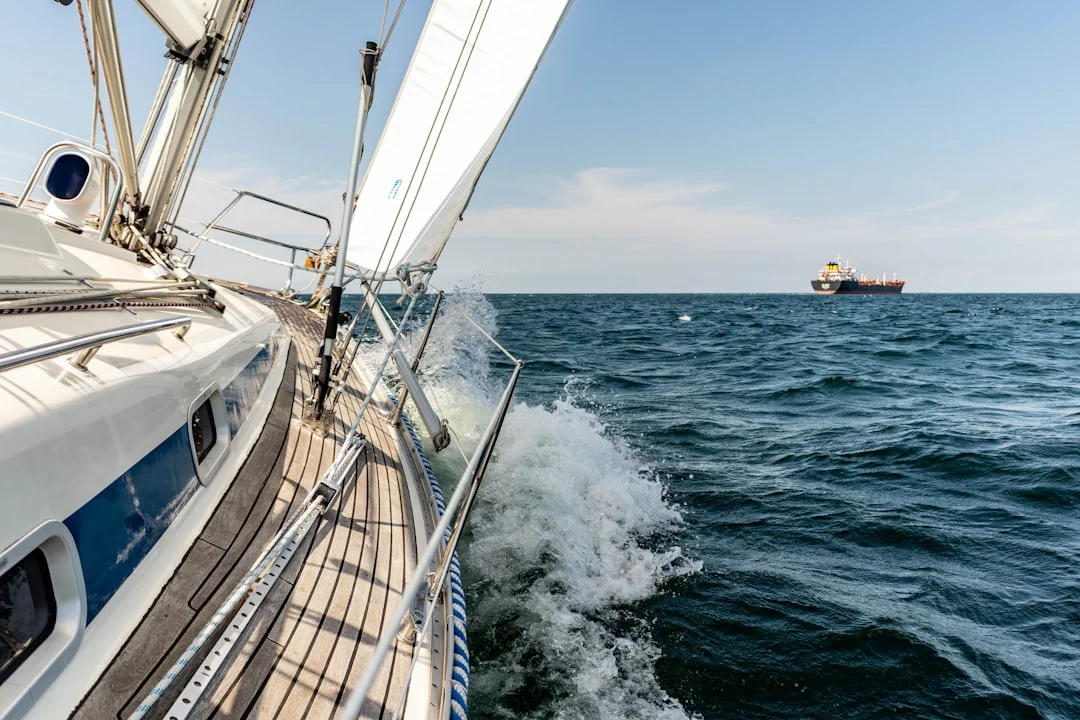
Photo by Michael Held on Unsplash
Mediterranean vs Caribbean: quick fit for your crew
Most charter decisions come down to four drivers: when you can travel, how much you’re willing to spend all-in, what kind of sailing you actually enjoy (short hops vs longer legs), and what “comfort” means onboard. A common baseline for families and mixed crews is a 40–50 ft catamaran with 3–6 cabins and 2–6 heads, which usually keeps the peace when someone’s seasick and someone else wants a hot shower.
The Med tends to reward crews who like structure: towns close together, strong shoreside infrastructure, and lots of nights where a marina feels like the default. In July and August, you’ll also share that infrastructure with everyone else in Europe, their cousins, and half of their coworkers. If your crew wants restaurants ashore every night, easy provisioning, and a “harbor promenade” lifestyle, the Med is hard to beat—assuming you can live with the noise and the occasional 2 a.m. scooter soundtrack.
The Caribbean is often the opposite: more nights on a mooring ball or at anchor, more swimming, and less obsessing over whether your stern is 40 cm too close to the next yacht. The shallow-draft reality matters here—many charter cats draw around 1.2–1.5 m, while typical charter monohulls are often 1.8–2.3 m. That extra half-meter is the difference between “front-row anchorage” and “why is the water suddenly brown.”
Who fits where? First-time bareboat crews usually feel less stress in Caribbean cruising grounds like the BVI where legs are short and mooring fields are organized, while confident handlers often enjoy the Med’s pace—especially if they’re comfortable with stern-to/Med-moor and crosswind arrivals. Luxury crewed groups can do either, but the Med’s peak season marina scene and the Caribbean’s winter trade-wind rhythm are very different kinds of “five-star.”
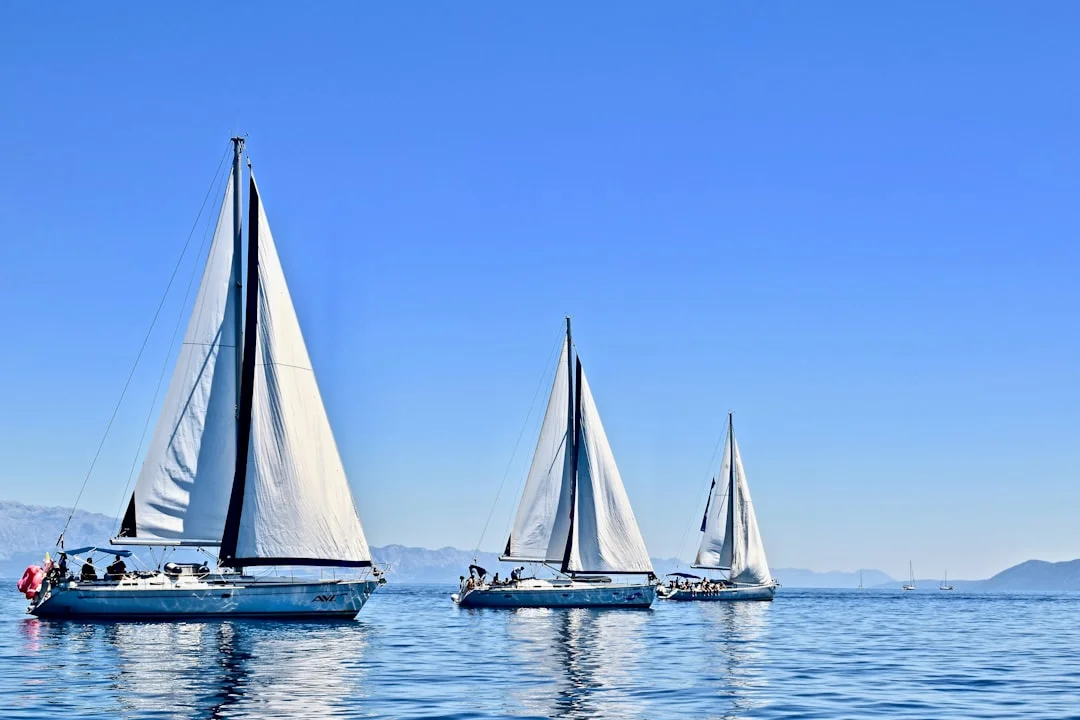
Photo by Karla Car on Unsplash
Best season & weather reality: temps, wind, storm risk
Mediterranean seasonality: peak vs shoulder vs fleet repositioning
The Mediterranean yacht charter season runs hottest—literally and financially—during June to August, with better value in May and September. By late October, many fleets reposition or thin out, and services on smaller islands can go quiet fast. Sea surface temperatures typically sit around 22–28°C (72–82°F) depending on sub-region, which means more comfortable sleeping in May/September and more “why is my pillow damp?” humidity in August.
Crowds drive real operational issues: fewer slips, full fuel docks at peak hours, and restaurants that require reservations for anything resembling a table. In the Med, your weather risk is less about named storms and more about regional wind events and exposed-water route decisions. Shoulder season is where experienced skippers make their money: fewer boats, lower base rates, and water still warm enough for a long swim without negotiating with your core temperature.
Caribbean seasonality: high season, shoulder, and hurricane constraints
The Caribbean charter season is flipped: mid-December through April is the classic high season with steadier conditions and the most fleet availability. May–June can be a value window if you can handle warmer air and the occasional squall, while hurricane season is officially June 1 to November 30. Water temps run roughly 26–30°C (79–86°F), so swimming is never the problem; sleeping without A/C can be.
Booking during hurricane season isn’t automatically reckless, but you need to understand contracts. Most operators include hurricane clauses that allow re-routing, delaying, or canceling, and those clauses don’t always align with your flight change fees. If you’re considering a summer Caribbean trip, price it with trip insurance timing and flexible flights, not wishful thinking.
Wind systems that change the trip: trades, Meltemi, and Mistral
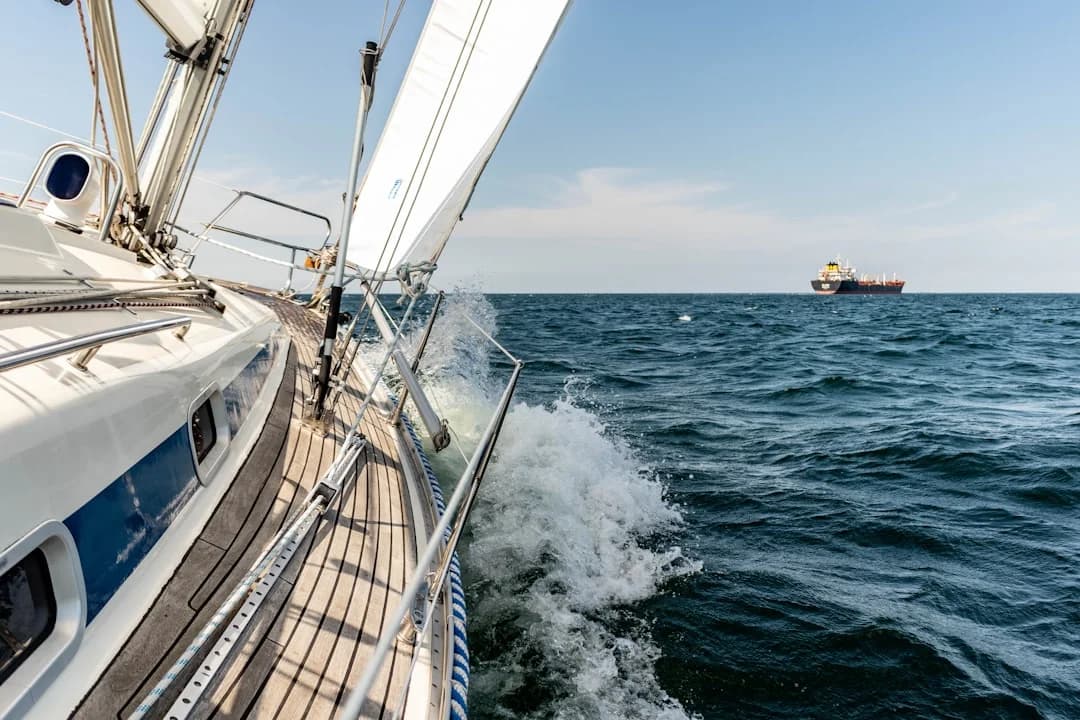
Caribbean trade winds are often the most “honest” wind you’ll ever charter in: consistent direction, predictable acceleration zones, and a rhythm that makes planning day runs straightforward. The Aegean’s Meltemi is not that kind of friend. It commonly shows up in July–August, often stronger in the afternoons, and it can turn a “pleasant reach” into a wet, slamming ride between Cyclades islands.
In the Western Med, the Mistral can arrive like someone opened a freezer door, and it can reach Beaufort 8+ in proper events. The practical takeaway is routing conservatively: build shorter legs in exposed areas, plan early departures, and keep a weather day available. If you want to sanity-check distances quickly while you’re sketching options, check the nautical miles for your planned route for turning “that looks close on the chart” into an actual nautical-mile plan.

Photo by Markos Mant on Unsplash
Charter prices compared: boats, seasonality, and value
Base charter fees are only the starting line, but you still need a realistic range before you can price flights and decide bareboat vs crewed. In the Med, the expensive moment is summer peak (Jun–Aug); in the Caribbean it’s winter high season (mid-Dec–Apr). Boat age, cabin count, and “hotel loads” like generator + A/C push pricing faster than length alone, especially on 40–45 ft cats.
Here are typical weekly base charter ranges for common categories. These figures don’t include VAT, APA, berthing, fuel, or provisioning, which is where most budgets quietly die.
| Region | Boat type | Season | Weekly base charter (USD) | What moves the price most |
|---|---|---|---|---|
| Mediterranean | Bareboat monohull 38–45 ft | Peak (Jun–Aug) | $3,500–$8,500 | Newer hulls, 4 cabins, bow thruster, popular bases |
| Mediterranean | Bareboat catamaran 40–45 ft | Peak (Jun–Aug) | $6,500–$14,000 | Generator/A/C, 4+ heads, watermaker, age under ~5 years |
| Caribbean | Bareboat monohull 38–45 ft | High (Dec–Apr) | $4,500–$10,000 | Holiday weeks, newer fleets, base availability |
| Caribbean | Bareboat catamaran 40–45 ft | High (Dec–Apr) | $7,500–$18,000 | A/C + genset packages, holiday demand, cabin layout |
| Caribbean | Crewed sailing cat 45–55 ft | High (Dec–Apr) | $18,000–$40,000 + APA | Crew reputation, inclusions, water toys, refit cycle |
| Mediterranean | Crewed motor yacht 60–80 ft | Peak (Jun–Aug) | $30,000–$90,000 + APA + VAT | VAT structure, marina itinerary, fuel burn, brand/age |
If you’re price-shopping, compare like-for-like: a 42–45 ft cat with generator and decent tender/outboard is a different beast than a base-spec boat that needs shore power for everything. If a quote feels “too good,” it’s usually missing either taxes or the upgrade list.
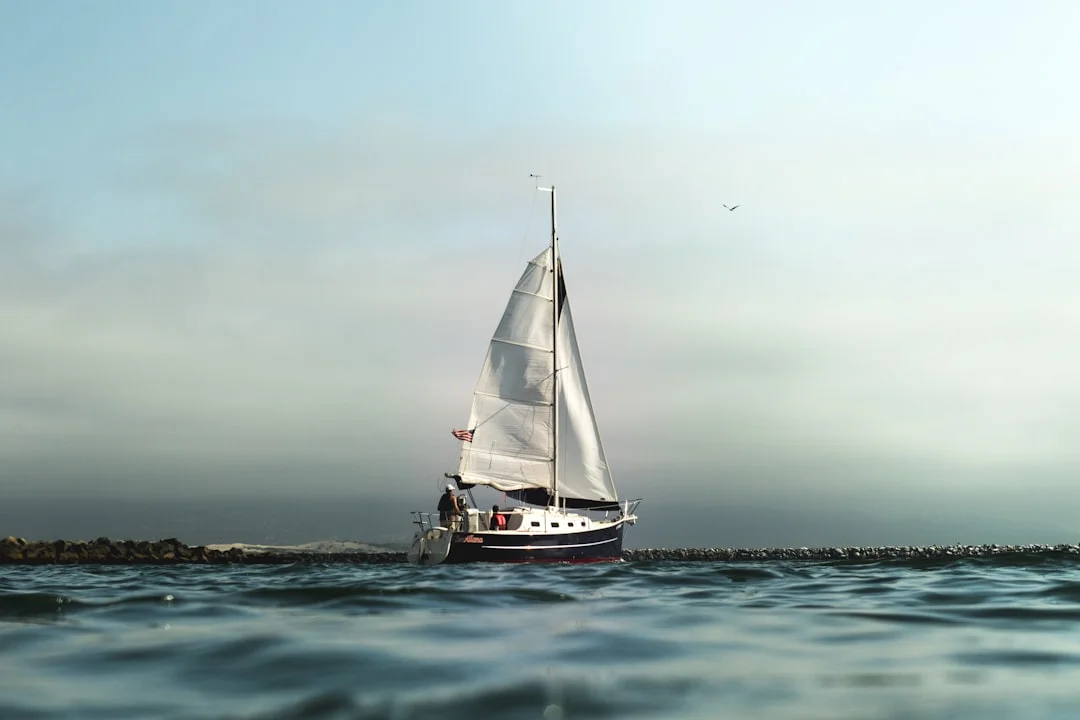
Photo by Jeremy Bishop on Unsplash
Total cost breakdown: VAT, APA, permits, berths, fuel, food
Mediterranean add-ons: VAT exposure and marina-heavy cruising
The Med’s biggest hidden swing factor is VAT, often roughly 5–24% depending on country and charter structure, plus the reality that many itineraries involve more marina nights. In hotspots, berthing for a 40–50 ft yacht in high season can run $80–$250+ per night, and that’s before you discover the “premium quay” surcharge that appears when you’re tired and it’s blowing 25 knots.
You’ll also see common fixed fees: end cleaning $150–$400+, linens in some fleets, and occasional transit logs or local cruising taxes depending on where you are. If you plan to live on marinas for power and A/C, budget for it honestly. The Med is fantastic at letting you spend money efficiently, which is a polite way of saying it will take it from you quickly.
Caribbean add-ons: cruising permits, parks, and mooring-ball economies
In the Caribbean, you’re often trading marina fees for cruising permits, parks, and moorings. Mooring balls commonly run $30–$60 per night depending on territory, and popular areas may add per-person or per-vessel fees (the BVI is the classic example with cruising permits and park fees). It’s usually still cheaper than stringing together marinas nightly, and it changes the feel of the week—more sunsets onboard, fewer dock carts.
Fuel and water usage can also differ because you’ll rely more on onboard systems. If your cat has A/C that needs the generator, you’re paying in fuel and noise; if it doesn’t, you’re paying in sweat. That’s not a moral judgment, it’s physics.
Worked budgeting rules of thumb (bareboat and crewed)
For bareboat, the quickest rule is: expect your “all-in, on-the-water” costs (fees + fuel + food + berths/moorings) to add 30–70% on top of the base charter, depending on how often you dock and how hard you provision. Provisioning for 6–8 guests commonly lands around $200–$450 per day self-catered, and that range is mostly about wine, snacks, and how often someone says “we should grill tonight.”
Fuel on sailing charters is usually manageable unless you motor everywhere. A typical sailing cat may burn around 1.0–2.0 gph per engine at cruising rpm when you do motor, and a week can land anywhere from $150–$600+ depending on motoring hours, generator time, and current fuel prices. If you’re building a route, estimate your fuel needs based on the voyage distance and decide what percentage you’ll realistically motor—then budget with that, not with optimism.
For crewed charters, the big lever is APA, commonly 20–30% of the base fee. APA covers running expenses like fuel, food, port fees, and sometimes special requests, but it’s not “extra profit” for the crew and it’s not a blank check for your champagne hobby unless you want it to be. Deposits matter in both worlds: bareboat security deposits are often $3,000–$8,000, while damage waivers run roughly $250–$800/week and change your cashflow and risk profile.
Tip from a skipper who’s watched budgets implode: Ask for an itemized all-in estimate before you pay the second installment—base fee, VAT/taxes, APA (if crewed), end cleaning, linens, outboard, Wi‑Fi, and a realistic berthing/mooring assumption for your itinerary style.
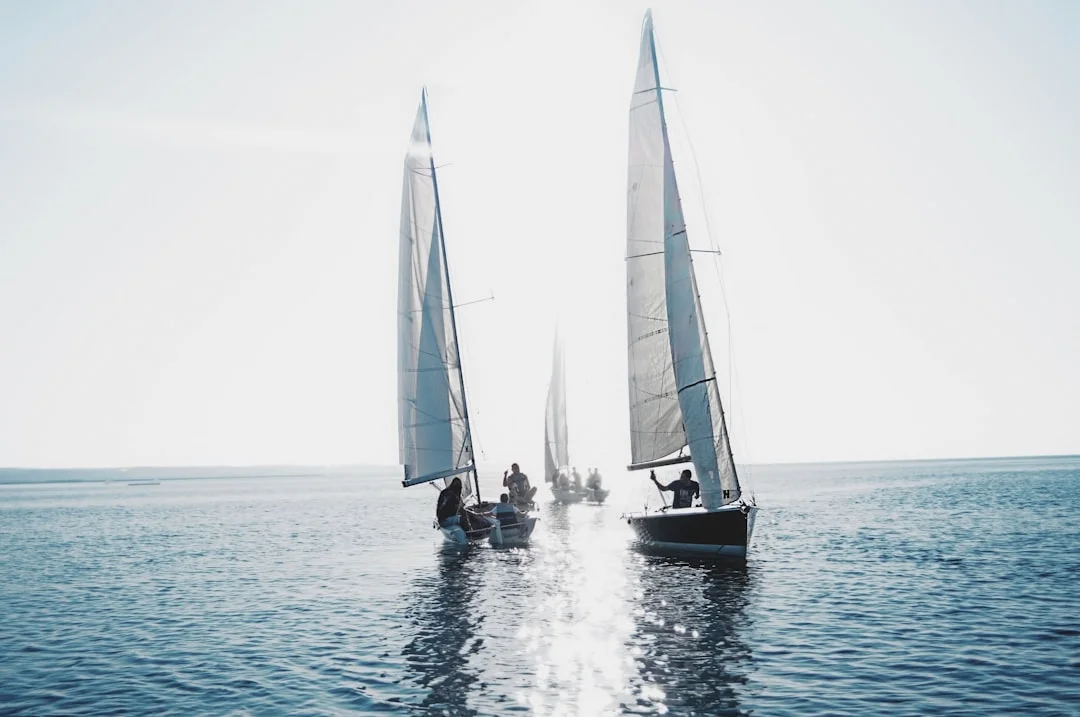
Photo by Lazarescu Alexandra on Unsplash
Sailing experience: distances, routing, docking, and comfort
Route planning and sea distances: island hops vs longer legs
The Caribbean often delivers shorter hops and easier “reset points,” especially in places like the BVI where 8–15 NM legs are common. In parts of the Med, you can have similar days (Saronic Gulf, Dalmatian islands), but you can also find yourself committing to 25–40 NM exposed passages between island groups. For relaxed crews, I target 15–30 NM/day, and I like to build at least one “weather day” when I’m anywhere the forecast can pin you down.
Distance planning isn’t just comfort—it’s cost. More miles plus lighter wind equals more motoring, and on twin-engine cats that adds up fast. Use plan your route using a sea distance calculator early, before you book a one-way route or promise a dinner reservation on an island that requires crossing a windy channel at 1600.
Docking and night-entry realities: Med stern-to vs Caribbean moorings
Med docking is a skill set, not a vibe. Stern-to and Med-mooring require good crew choreography: stern lines ready, fenders set for neighbors who didn’t, and a plan for prop walk when reverse is “suggestion” more than command. Add 20 knots on the beam and a charter cat’s windage, and you’ll discover who actually listened during the briefing.
In much of the Caribbean, you’ll pick up mooring balls more often, which is lower stress once the crew learns the routine. The challenge is different: sunlight glare, currents in mooring fields, and the occasional “creative” mooring that hasn’t been inspected since last season. Many operators restrict night entries in both regions for good reasons—reefs and unlit hazards in the Caribbean, crowded approaches and fishing gear in parts of the Med.
Hull choice and comfort: cat vs monohull in chop and trade-wind seas
Cats win on living space and shallow draft, which matters in the Caribbean where 1.2–1.5 m draft opens anchorages that a 1.8–2.3 m monohull can’t use comfortably. They also reduce heel, which keeps non-sailors happier and cuts galley chaos. The tradeoff is motion: in steep chop, some cats slam, and in strong head seas you’ll feel it in your knees and your coffee.
In the Aegean during Meltemi season, exposed legs can get ugly by afternoon. A practical strategy is early departures—cast off at 0700, arrive before lunch, and let the wind howl while you’re already tied up or swimming. In the Western Med, watch for Mistral setups and avoid rounding exposed capes when forecasts hint at Beaufort 7–8 conditions.
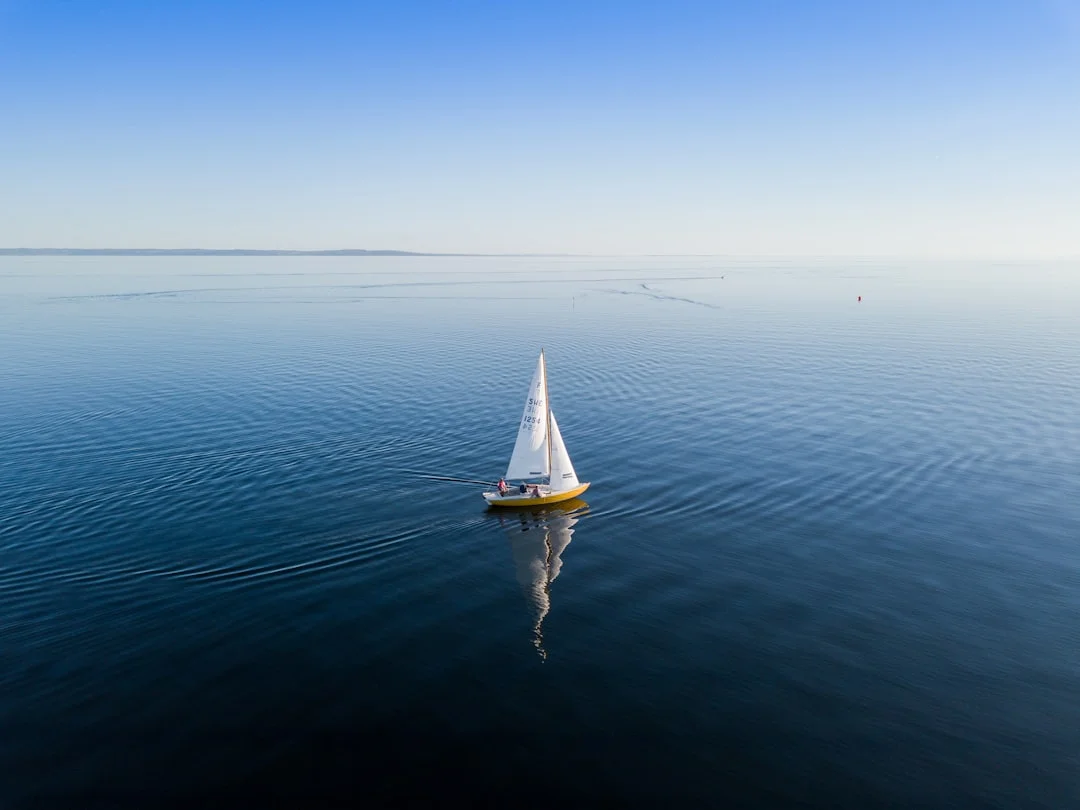
Photo by Daniel Stenholm on Unsplash
What you actually get onboard: equipment, power, and upgrades
Base spec vs premium packs: generator, watermaker, A/C, and tender
Charter listings love vague phrases like “fully equipped.” On the water, that usually means you have the basics to keep the boat safe and the crew fed, not that you can run A/C all night at anchor while charging e-bikes and making ice. Typical charter cats carry around 600–800 L of water, and a fitted watermaker often produces 60–120 L/hr, which is great until someone takes a 20-minute shower and you remember you’re not in a hotel.
Generator size matters if you expect “villa comfort.” Premium or crewed cats often have 11–20 kW generators, and A/C frequently requires running that generator at anchor. Tender setup matters too: a 10–12 ft dinghy with a 9.9–20 hp outboard is common, and on bareboat that outboard is often an extra line item, not a gift.
Power and shore power expectations (Med marinas vs Caribbean moorings)
In many Mediterranean marinas, shore power is typically 230 V / 50 Hz with 16 A or 32 A connections, and you may need adapters depending on the pedestal style. That shore power availability can make a base-spec boat feel comfortable, because you can top batteries, run water heaters, and keep fridges happy. It also tempts crews into booking marina-heavy weeks without realizing what those $80–$250+ nights do to the budget.
In the Caribbean, many itineraries lean on anchorages and moorings, and shore power becomes occasional rather than assumed. Some marinas provide 120/240 V / 60 Hz, but you shouldn’t plan your week around being plugged in unless you’re deliberately doing a marina itinerary. Practically, this affects hair dryers, induction cooktops, and laptop charging more than people expect—ABYC E-11 is the standard reference for AC/DC system safety, and you don’t need to read it cover-to-cover to respect what an overloaded inverter can do.
Handover inspection checklist that prevents trip-ending failures
Charter handovers are where good weeks are saved. I always check seacocks and clamps (ABYC H-27), bilge pumps, and that the heads actually flush without flooding the boat with optimism. If the boat has a generator, verify ventilation and CO alarms—ABYC A-24 exists because CO incidents are still a thing, especially when people run generators with poor airflow at anchor.
Also confirm what safety gear is truly onboard: lifejackets (including kids’ sizes), flares, fire extinguishers, and whether a liferaft is carried and serviced (if provided, ISO 9650 is the reference spec operators often cite). Finally, do a 10-minute test sail and engine run before leaving the base: forward/reverse on both engines, autopilot engages, and the windlass retrieves without tripping a breaker. It’s amazing how many “small issues” become very large at 2300 in a rolly bay.
Rules, paperwork, and insurance: avoid booking surprises
Skipper qualification expectations vary by base and operator, but you should assume someone will want to see a sailing resume plus formal credentials like ICC, RYA Day Skipper, or ASA 104. Many places also require VHF certification such as SRC, and the operator may do a checkout sail before turning you loose. If you’re hiring a skipper, budget $1,500–$2,500/week plus provisioning, because professionals also eat and drink coffee like humans.
Contract language matters more than most crews realize. Caribbean bookings during hurricane season hinge on hurricane clauses, re-routing rights, and what happens to your money if the operator offers a credit instead of a refund. Trip insurance works best when purchased early, and it needs to match your charter contract timing, not your hopes.
Deposits and damage waivers aren’t the same thing. A typical bareboat deposit is $3,000–$8,000, and a waiver/deposit reduction might run $250–$800/week, with exclusions like lost dinghies, clogged heads, or negligence. COLREGS still apply everywhere regardless of flag—rules of the road don’t care that you’re on vacation—and safety equipment expectations vary by flag state and operator, so read the inventory list.
Finally, taxes: Mediterranean VAT rules differ by country and charter structure, so don’t accept a hand-wavy “it’s included” without a written line item. Ask for a written tax quote in your booking confirmation stating the VAT basis and jurisdiction; it saves arguments later, when nobody’s in the mood for paperwork.
Decision matrix + 7-day itinerary starters (Med vs Caribbean)
Mediterranean: Greece, Croatia, and Balearics—who each fits
Greece can be gentle (Saronic) or spicy (Cyclades), and July–August Meltemi is the deciding factor for comfort. Croatia rewards crews who like short legs, historic towns, and marina access, but it can be marina-cost heavy in peak weeks. The Balearics can deliver spectacular anchorages, but you’ll want conservative planning around Mistral setups and busy summer reservations.
If your crew likes culture and dinners ashore, the Med wins. If your crew hates crowds and doesn’t want to plan marina arrivals like a military operation, pick shoulder season—May or September—and you’ll get most of the same water temperature with fewer elbows.
Caribbean: BVI, St. Martin/St. Barths, Antigua—who each fits
The BVI is the classic low-stress cruising ground: short hops, abundant moorings, and lots of bailout options when someone drops a phone overboard. St. Martin/St. Barths adds more open-water legs and a higher-end scene, with better payoff for crews who can sail efficiently and handle busier anchorages. Antigua offers solid sailing and a strong yachting culture, but you’ll plan with more respect for trade-wind acceleration zones and chop.
High season—mid-Dec to April—is popular for a reason. Trades are steadier, visibility is good, and you’ll spend more time sailing and swimming than troubleshooting squalls. If you go later, be honest about heat, humidity, and the contract implications of June 1–Nov 30 hurricane season.
Build-your-own week: ports, distances, and contingency days
A good 7-night plan keeps commitments loose and options open. I like one “weather day,” I avoid booking fixed restaurant reservations that force long exposed legs, and I plan fuel/water stops like I plan meals: early enough that hunger doesn’t make decisions. One-way routes can be excellent, but reposition fees and base availability can erase the savings quickly, and weather windows don’t care about your return flight.
Here’s a practical starter grid you can use to choose a base and sketch daily legs. Use it with Breezada’s sea distance calculator to confirm nautical miles before you lock anything in, especially if you’re tempted by a long reach that crosses an acceleration zone.
| Region / Base style | 7-day starter loop | Typical day legs (NM) | Mooring vs marina bias | Best months (practical) | Skill / stress level |
|---|---|---|---|---|---|
| Greece (Athens) | Saronic Gulf loop | 10–25 NM | Mixed, easy anchorages | May, Sep; also Jun | Lower stress, good for first bareboat |
| Greece (Paros/Naxos) | Cyclades sampler | 15–35 NM | Anchor + some quays | Jun; Sep (Jul–Aug windy) | Higher stress in Meltemi windows |
| Croatia (Split) | Central Dalmatian islands | 10–25 NM | More marinas/harbors | May, Jun, Sep | Moderate; docking skills matter |
| Balearics (Mallorca) | Mallorca–Cabrera–Menorca | 15–40 NM | Anchorages + marinas | May–Jun, Sep | Moderate; watch Mistral patterns |
| BVI (Tortola) | Norman–Jost–VG–Cooper loop | 8–18 NM | Moorings dominate | Dec–Apr; May value | Lower stress; great for families |
| St. Martin | St. Martin–Anguilla–St. Barths | 15–35 NM | Anchors/moorings + marinas | Dec–Apr | Moderate; more open water |
If you’re stuck deciding, boil it down to three variables: timing (Jun–Aug Med vs mid-Dec–Apr Caribbean), budget structure (VAT/APA/berthing vs permits/moorings), and sailing style (stern-to marinas vs mooring balls and anchorages). Pick your dates first, shortlist two bases, then request an all-in quote that itemizes the charter fee, VAT/taxes, APA/fees, and realistic routing distances.
Frequently Asked Questions
For a crewed charter, how is APA (20–30%) reconciled onboard, and which line items typically require receipts vs captain’s discretion?
APA is usually paid in advance or at embarkation, then tracked by the captain during the week against actual expenses like fuel, food, dockage, and port fees. Most yachts provide periodic updates and settle at the end: unused APA is refunded, and overages are billed with your approval. Receipts are commonly kept for provisioning, fuel, and marina/port fees, while “discretion” usually applies to minor operational purchases; if you want strict receipt policy, ask before boarding.
How do Mediterranean VAT rates (often ~5–24% depending on structure) apply to the base charter, and what documentation should the broker/operator provide to confirm the tax basis?
VAT typically applies to the charter fee based on where the charter is deemed supplied and the yacht’s commercial/tax structure, which varies by country and operator. You should request a written quote that states the VAT rate, whether it’s included or added, and the jurisdictional basis (country of embarkation and charter contract entity). The booking confirmation should clearly itemize VAT as a line item; if it’s “TBA,” assume it will not be your favorite surprise.
When planning Cyclades passages in July–August, what departure-time strategy best mitigates Meltemi-driven afternoon sea state on exposed legs (e.g., beat vs reach considerations)?
Plan early departures—often 0700–0900—so you cross exposed channels before the afternoon peak when the Meltemi commonly strengthens and steepens seas. If you must sail an exposed leg, choose angles that avoid a hard beat in short chop when possible, and don’t be shy about shortening the route to a nearer island. Build at least one weather day into a 7-night plan, because forcing a schedule in Meltemi conditions is how charter damage deposits become educational.
For a 42–45 ft sailing catamaran burning ~1.0–2.0 gph per engine, how do you estimate weekly fuel cost from planned nautical miles and expected motoring percentage?
Start with total planned nautical miles and decide what fraction you’ll motor (for example, 30–60% depending on wind and itinerary). Convert motoring miles into hours using a realistic motoring speed, often 6–7 knots on a loaded charter cat, then multiply hours by burn rate and by two engines (e.g., 1.5 gph × 2). Multiply total gallons by local fuel price, then add extra for generator time if you’ll run A/C at anchor.
What shore-power constraints should you expect (230V/50Hz 16–32A in many Med marinas vs more anchoring/mooring reliance in the Caribbean), and how does that affect A/C, watermaker use, and inverter loading?
In the Med, many marinas provide 230V/50Hz shore power at 16A or 32A, which supports battery charging and sometimes A/C depending on the boat’s system and pedestal rating. In the Caribbean, you’re often unplugged for longer stretches, so A/C may require running the generator, and watermakers should be used with awareness of power draw and maintenance needs. In both regions, inverter capacity is finite; treat high-draw appliances (hair dryers, kettles, induction) as “one at a time,” unless you enjoy tripping breakers at the least convenient moment.
About the Author
Related Articles
Amalfi Coast vs French Riviera Sailing Guide (Costs & Routes)
Compare Amalfi Coast vs French Riviera sailing—costs, crowds, mooring rules, best months, and 7-day routes. Choose your coast and plan now.
By Breezada Team

Puget Sound Cruising Guide to Gulf Islands Routes
Plan routes, anchorages, and weather windows with this Puget Sound cruising guide for the Gulf Islands & San Juans. Read now and start plotting.
By Breezada Team
Sailing Amalfi Coast Guide: Ports, Anchorages & Rules
Sailing Amalfi Coast guide to Capri, Positano & Amalfi: best ports, anchorages, fees, VHF and rules. Plan your route—read now.
By Breezada Team
Dry Tortugas Sailing: Routes, Anchoring & Permits
Plan Dry Tortugas sailing from Key West with routes, weather windows, anchoring/moorings, and permits. Read the guide and plan your trip.
By Breezada Team