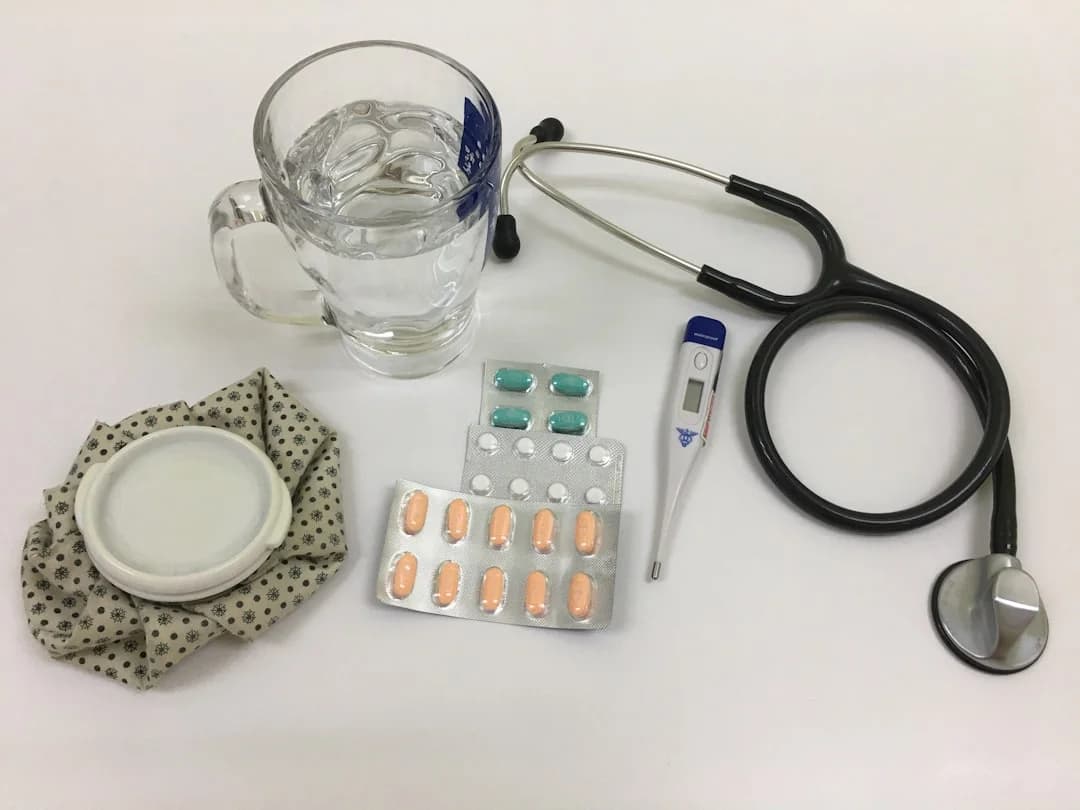
Seasickness Remedies for Sailing: What Works, and When to Take It
Seasickness is rarely about “weak stomachs.” It’s about your brain trying to reconcile bad data from good sensors while you’re trapped in a moving box that smells like diesel and yesterday’s curry. The best seasickness remedies are prevention-first: fix the environment and habits, add low-risk aids, then use the right medication with the right timing—especially if you’re standing watch and must stay sharp under COLREGS Rule 5.
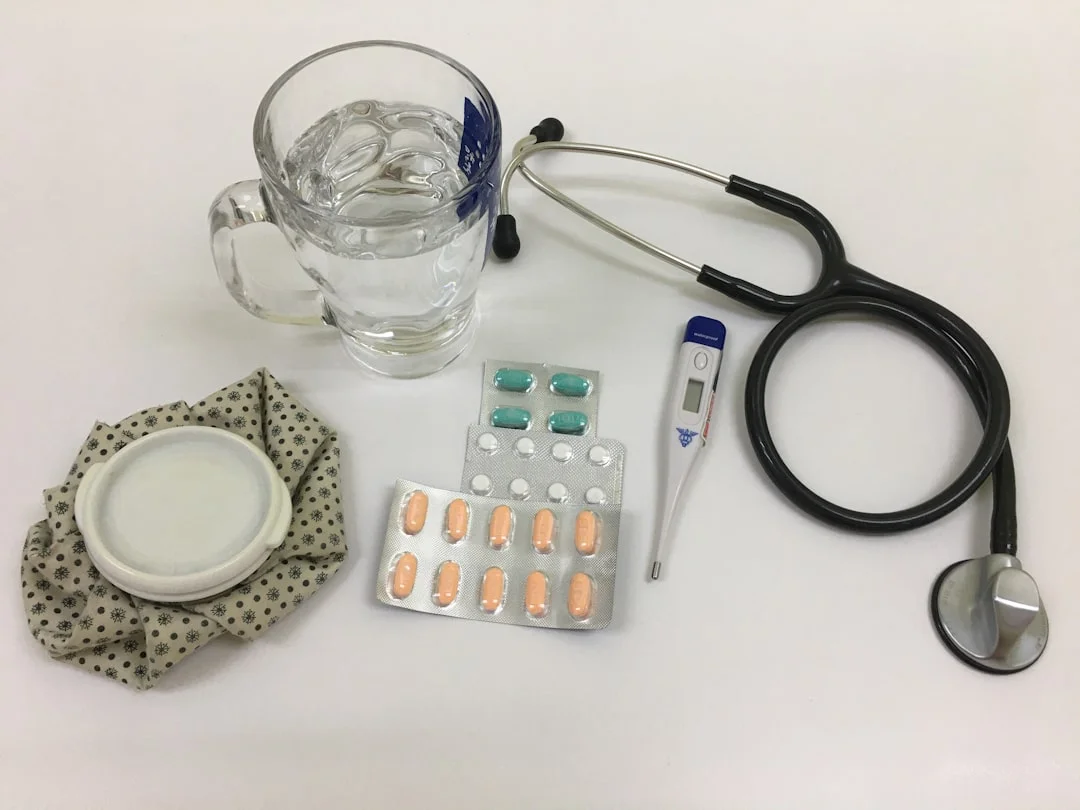
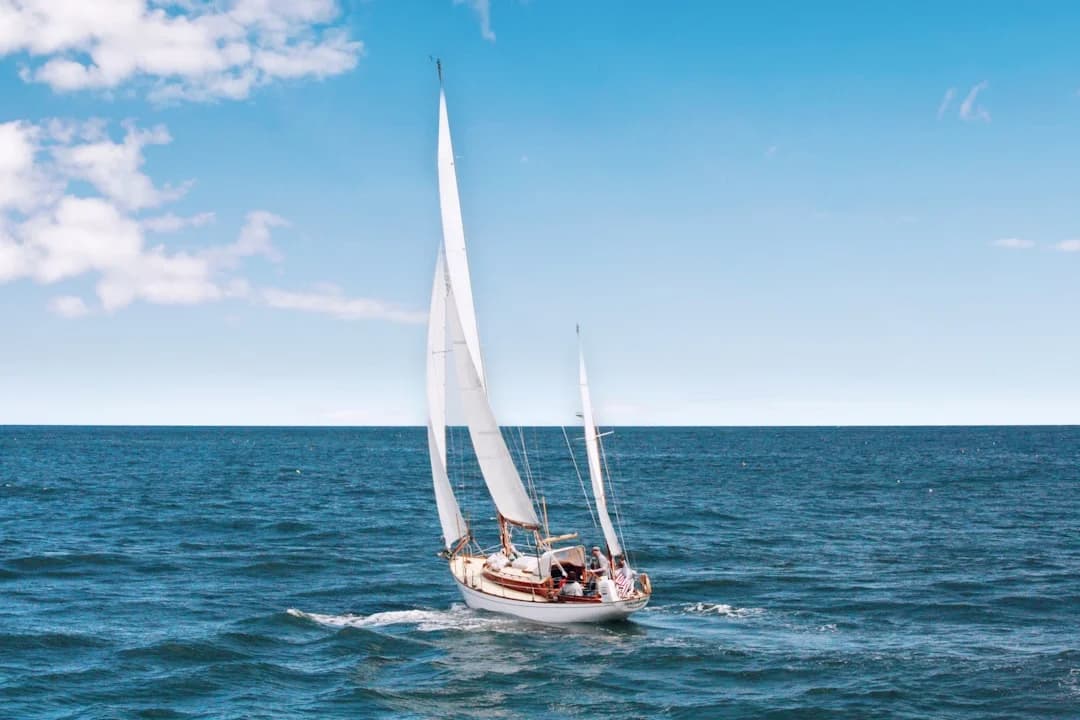
Photo by Kristine Wook on Unsplash
Why Seasickness Happens on Sailboats (Mal de Mer Basics)
Vestibular mismatch: inner ear vs eyes vs proprioception
Seasickness starts with inner ear motion conflict. Your vestibular system detects roll, pitch, and yaw, while your eyes may report “still” if you’re inside the cabin, and your body’s proprioception gets confused by bracing and stumbling. The brain treats that mismatch like a toxin problem and hits the nausea button, which is rude but biologically consistent.
On sailboats, the motion is often low-frequency and sustained, which is a perfect recipe for mal de mer. Think 6–10 seconds per roll cycle, repeating for hours, with small accelerations you can’t predict. Those repeated, non-linear movements are why many sailors feel worse on a 35–45 ft sailboat in quartering seas than on a faster powerboat that can change angle and escape the worst rhythm.
Why “down below” and screen work are high-risk
The fastest way to turn a slightly green crew member into a full-time philosopher of regret is sending them below to “organize gear” or “check something on the laptop.” Down below, your eyes see a stable cabin and a fixed screen, but your inner ear is still tracking motion. In my experience, symptoms often spike in the first 2–6 hours of rough conditions, especially after someone goes below for even 5–10 minutes.
Screens are a special kind of trouble because they lock your vision to a near field that doesn’t match the boat’s movement. If you must look at a display, do it in short bursts—30–60 seconds, then back to the horizon. Your brain needs an external reference more than it needs your spreadsheet.
Triggers unique to sailing: roll frequency, fumes, fatigue
Sailing adds triggers that aren’t just “motion.” Diesel fumes while motoring into chop, heat trapped under a dodger, dehydration, and anxiety all amplify nausea. Vomiting then drives a nasty feedback loop: you lose fluid, dehydration brings headache and dizziness, and those symptoms worsen nausea again.
The good news is habituation is real. Many new crew improve over ~24–72 hours, with day 1 usually the worst and days 2–3 noticeably better. The hierarchy that works offshore is simple: environment and behavior first, then non-sedating aids, then meds—chosen based on whether you’re a passenger or an operational watchstander.
Medications That Actually Work Offshore (Pros, Cons, Fit)
Scopolamine (anticholinergic): strongest prevention, key side effects
If I’m planning a multi-day passage with mixed-experience crew, scopolamine patch seasickness prevention is the most consistently effective tool—when used correctly. Typical patches deliver ~1 mg over 72 hours (about 0.014 mg/hour) as a steady dose, which is exactly what you want when the sea state won’t hold still. It’s a prevention tool, not a “save me after I’ve started puking” tool.
The trade is anticholinergic side effects: dry mouth, blurred vision, and urinary retention risk in susceptible people. Dry mouth offshore isn’t just annoying; it nudges dehydration, which feeds nausea. Blurred vision matters at night when you’re trying to pick out an unlit skiff that thinks COLREGS are optional.
Antihistamines: meclizine vs dimenhydrinate (how they differ underway)
For OTC tablets, the most common debate is meclizine vs dimenhydrinate. Meclizine is often sold in 25 mg tablets, with label-typical adult dosing 25–50 mg about 1 hour before travel, and it’s frequently marketed as lasting up to ~24 hours (always verify your local label). Offshore, that long duration is handy because you’re not trying to remember pills during a squall line at 0300.
Dimenhydrinate (classic Dramamine) commonly comes as 50 mg tablets, with typical adult dosing 50–100 mg every 4–6 hours, with a max often listed as 400 mg/day on U.S. labels. It can work well, but the frequent redosing is a pain on watch schedules, and the drowsiness can be more noticeable for some sailors. If you’re already sleep-deprived, it can feel like adding ankle weights to your brain.
Rx options: promethazine and ondansetron (where they fit)
Promethazine is effective for some people at 12.5–25 mg, but it is famously sedating. On a boat, “sedating” is not an abstract side effect; it’s a collision-risk multiplier. Unless a clinician has specifically directed its use, I treat promethazine as an off-watch, bunk-only option—never a solo-watch plan.
Ondansetron is a different tool. A common dose is 4 mg ODT/tablet, and it’s a true antiemetic for nausea and vomiting. It can be valuable when someone is already actively vomiting and needs to keep fluids down. What it doesn’t do is fix the vestibular mismatch the way scopolamine can, so it’s not a full replacement for prevention meds in rough water.
Dosage & Timing for Sailing (Day Sail to 72-Hour Passage)
Pre-departure timing windows (night before vs same-day)
Timing is where most “seasickness remedies” advice fails, because “take it before you go” is meaningless offshore. Scopolamine patches typically work best when applied ≥4 hours before motion exposure, and many sailors apply them ~8–12 hours before departure—night before—so onset happens before the sea state starts punching. If you apply it at the dock as the lines come off, you’re already late.
Meclizine is simpler: 25–50 mg about ~1 hour before departure is the label-typical window, and the long duration helps for day sails and overnight hops. Dimenhydrinate needs a deliberate plan because the dosing is q4–6h, and forgetting one dose at the wrong time can be the difference between “fine” and “face down in a bucket.”
Redose planning and “don’t chase nausea” strategy
The offshore rule is blunt: don’t chase nausea. Once someone is vomiting, oral pills may not stay down, and the brain is already committed to the “toxin response” story. Prevention means dosing early, then maintaining coverage through the ugly part of the forecast rather than waiting for symptoms.
For a 36–72 hour coastal passage, I like a simple timeline: T-12h patch on (if using scopolamine), T-1h meclizine if it’s your chosen tablet, then build a redose schedule aligned with watches. If you’re using dimenhydrinate, set alarms and log doses, because “I think I took one” is not a navigationally sound recordkeeping system.
Watchstanding safety: COLREGS/USCG Rule 5 and sedation risk
Sedation is not merely uncomfortable; it’s operationally unsafe. COLREGS Rule 5 (also codified in the U.S. as 33 CFR 83) requires maintaining a proper lookout at all times by sight and hearing. A watchstander who is drowsy, blurred-visioned, or cognitively slowed is not meeting that standard, even if they feel heroic about it.
This means your medication plan must match your watch plan. Helms and solo watchstanders should prioritize the least-impairing options and test them ahead of time. Off-watch crew can accept more sedation if it keeps them functional enough to hydrate, eat, and sleep, but the skipper still needs a clear-eyed team when things break at 0200.
Practical tip (watchstander rule): If you’re due on watch within 6 hours, avoid first-time doses of any sedating medication. Test your chosen meds on land, then build a crew plan so the most alert people cover the highest-risk night windows.
Patches, Bands, and Devices (How to Use Them Correctly)
Scopolamine patch: placement, replacement, and common mistakes
The patch is simple, but sailors mess it up with impressive creativity. Place it on clean, dry skin behind one ear, press firmly, and then wash your hands like you just handled fiberglass resin. If you touch your eye after handling the patch, you can trigger unilateral blurred vision and a very confusing night watch.
Most patches are designed to be replaced every 72 hours (3 days) for continuous coverage, delivering about 1 mg/72 h. For passages longer than 3 days, bring spares and plan replacement timing when you’re stable and not distracted. A mid-squall patch swap is how you end up with a patch stuck to your foulies and a sailor stuck to the leeward rail.
Side effects that matter afloat are predictable: dry mouth (hydrate deliberately), blurred vision (especially at night), and urinary retention risk (don’t ignore it). If side effects are severe, stop and reassess with medical advice; offshore isn’t the place to prove toughness.
P6 acupressure bands: exact point placement and expectations
Seasickness acupressure bands are low-risk and worth carrying, but only if you place them correctly and don’t expect miracles. The P6 (Neiguan) point is typically ~2–3 finger-widths, about 2–4 cm above the wrist crease, centered between the two tendons. Too far to the thumb side or too close to the crease and you’re just wearing a sweatband with ambition.
To verify placement, flex your wrist slightly and feel the two tendons stand out; the button should sit between them, not on top of one. Wear them continuously during exposure, and don’t wait until you’re already miserable. If they help you, great—if not, you’re out $8–$15, not a night of lost sleep.
Electronic wrist devices: where they may help (and where they don’t)
Electronic neuromodulation wrist devices (Reliefband-class products) cost roughly $100–$250, and the response is individual. I’ve seen them help sailors who can’t tolerate meds, and I’ve seen them do nothing for people who swear they can feel the electrons “working.” The evidence is mixed, but as an adjunct they can be useful, especially when sedation is unacceptable.
Whatever you choose—patch, bands, or device—test it at home first. The worst time to discover blurred vision or a skin reaction is when you’re 30 miles offshore and the only pharmacy is a gull.
Food, Hydration, and Supplements That Hold Up at Sea
What to eat: low-fat carbs, small frequent intakes, odor control
Food is both a trigger and a fix, depending on what you feed the situation. When the boat is lively, aim for small, frequent, bland, carbohydrate-forward snacks: crackers, pretzels, plain bread, rice, bananas. Keep portions modest—think 100–200 calories at a time every 60–90 minutes, not one heroic meal that will return for an encore.
Avoid greasy, acidic, and strong-smelling foods when people are on the edge. Galley odors are real triggers, especially down below where airflow is poor. Cold foods help because they smell less, and a simple “no frying in rough seas” rule saves friendships.
Hydration & electrolytes: sodium targets and watch-by-watch habits
Dehydration makes seasickness worse, and vomiting accelerates the slide. A practical approach is steady intake per watch: ~250–500 mL each watch, rather than chugging a liter and hoping for the best. Use the crude but useful heuristic of pale-yellow urine as a non-medical check that you’re not falling behind.
If sweating, vomiting, or peeing constantly from nervous sipping, add electrolytes. A drink “strong enough to matter” often lands around 300–700 mg sodium per 500 mL, which aligns with many electrolyte products and oral rehydration styles. The goal isn’t sports performance; it’s keeping fluid in the body instead of sending it straight through.
Ginger and other “natural remedies”: realistic dosing and limits
Ginger can help some sailors, but it’s not a magic charm. Trials often use ~0.5–2.0 g/day of dried ginger (or equivalent), in divided doses, which is more than the tiny amount in many candies. Capsules (often 500–550 mg) are easy to dose on board, and ginger tea is pleasant if the smell doesn’t trigger anyone.
Alcohol is the opposite of ginger: it’s a consistent risk multiplier. Even 1–2 standard drinks the night before can worsen sleep quality and dehydration, and day 1 is already your weakest link. Save the sundowner for the anchorage, not the departure.
Habits That Reduce Symptoms Fast (A ‘Day 1’ Protocol)
Deck strategy: horizon time, steering, ventilation, midship positioning
If you’re getting queasy, go on deck, get air, and put your eyes on the horizon. I tell crew to aim for horizon time ~80–90% of the time when symptomatic, because visual stabilization helps settle the inner ear motion conflict. Sitting midship and low reduces vertical acceleration; the bow is a spectacular place to confirm you’re alive, but it’s a terrible place to recover.
Steering can help, oddly enough. Active control gives your brain a predictive model of motion, which reduces mismatch for many people. Obviously, don’t hand the helm to someone actively vomiting, but if they’re mildly green and safe, a short helm stint can be better than lying down and spiraling.
Sleep and workload management: preventing the fatigue spiral
Fatigue is the quiet accomplice of seasickness. If a crew member shows up already sleep-deprived, they’re far more likely to fold in the first 2–6 hours when the motion starts and the adrenaline wears off. Protect sleep the night before, and keep the first day’s workload brutally simple: sail, steer, eat, hydrate, and stay warm.
Make a rule that non-essential tasks down below can wait, especially early. Chart work, electronics setup, and gear organization are classic triggers because they force head-down focus in a moving cabin. Do them at anchor or in flat water, not while bashing into a leftover swell.
Boat-handling and safety ergonomics: reducing falls and MOB risk
A seasick sailor is a fall risk, full stop. This is where “medical” talk meets seamanship and standards. ABYC guidance like ABYC H-41 (handholds/lifelines) matters because good handholds and predictable movement paths prevent injuries when someone is unsteady and distracted by nausea.
Man-overboard risk rises when people rush to the rail, unclip, or forget basic tether discipline. ISO framing such as ISO 15085 (MOB prevention and recovery) is a reminder: clip in early, run jacklines, and make it easy to move without gymnastics. If someone is green, they should be in a PFD and harness on deck, because nobody does their best footwork while negotiating with their stomach.
Seasickness Kit, Stowage, and Passage Planning (Costed Lists)
The 1-liter “watch kit” (what’s within arm’s reach)
The best kit is the one you can reach with one hand while the other hand is keeping you attached to the boat. Build a cockpit nausea kit that’s <1 L volume and <1 kg, and keep it in a dedicated zip bag that lives in the same locker every time. Minimum contents for a 4-hour watch: 2–4 emesis bags, wipes, 500 mL water, 2 electrolyte packets, and 1–2 easy carbs (crackers, ginger snaps if tolerated).
Add a small headlamp (red mode), a spare buff or neck gaiter, and a trash zip bag for disposal. Emesis management is not glamorous, but it matters; odor spreads nausea faster than any sea state. If one person is sick, protect the rest of the crew by containing it and ventilating hard.
Budget vs premium builds: what $50 vs $200 buys you
A basic <$50 kit is completely doable. Typical U.S. prices: generic meclizine 25 mg (100-count) $6–$15, dimenhydrinate 12–24 tabs $6–$12, emesis bags $8–$15, electrolyte packets $8–$20, and ginger caps $8–$20. That’s enough to cover most day sails and short coastal hops without getting clever.
A premium $200-ish build adds scopolamine patches ($15–$40 for 4, cash varies) and an electronic wrist device ($100–$250) for someone who can’t tolerate meds. If you’re estimating motoring time for a longer delivery (and want to sanity-check how much fuel you’ll burn while keeping the boat steady and crew comfortable), first check the nautical miles for your planned route so your liters-per-hour math is based on real distance, not vibes.
If you carry Rx options like ondansetron ($10–$40 for 10 generic) or promethazine ($8–$25 generic), treat them as medical tools with a plan, not random locker treasure.
Route planning & sea-state strategy: reducing exposure time
Seasickness prevention also happens on the chartplotter. Shorter legs, smarter headings, and better departure timing reduce exposure to the worst motion profiles—especially beam seas and square chop. If you’re planning a coastal hop, calculate the distance between ports in NM, build realistic ETAs, and schedule your dosing windows so meds are fully working before the roughest segment.
Distance and ETA matter for food timing too. If it’s a 42 NM leg at 6 knots, that’s about 7 hours; you can plan a meclizine dose at T-1h and a snack cycle every 60–90 minutes without guessing. Breezada’s sea distance calculator is also handy for bailout harbors and “if this goes sideways, how long until shelter” decisions, which can be the difference between riding it out and turning it into an endurance event.
Practical tip (planning): If the forecast suggests a nasty first 3–5 hours leaving a headland, plan a shorter hop or delay departure. Plan your timing with a distance-and-ETA check, then align meds and meals to the actual hours you’ll be exposed.
When It’s More Than Seasickness (Red Flags and Interactions)
Dehydration and heat illness: when to stop and rehydrate aggressively
Most seasickness is miserable but manageable. Red flags start when someone can’t keep fluids down for hours, becomes confused, faints, develops severe headache, or shows signs of heat illness. If they’re not urinating, can’t stand safely, or are becoming mentally foggy, that’s not a “wait it out” situation.
Your first lever is to reduce motion exposure: slow down, change course to a smoother point of sail, or heave-to if needed. Then rehydrate with an electrolyte solution targeting roughly 300–700 mg sodium per 500 mL when tolerated. Small sips every few minutes beat big gulps that come right back up.
Medication interactions and side effects that matter offshore
Operationally relevant side effects include anticholinergic issues—dry mouth, blurred vision, urinary retention—and sedation from antihistamines or promethazine. Mixing sedating meds with alcohol or other CNS depressants is a bad idea on land and a worse one at sea. If someone becomes paradoxically agitated, profoundly sleepy, or visually impaired at night, stop and reassess the plan.
Pregnancy, glaucoma risk, urinary retention history, and certain medical conditions change what’s appropriate. That’s clinician territory, and the time to have that conversation is before you’re offshore with a groaning crew member and a cockpit full of well-meant guesses.
When to seek medical advice or evacuation
If symptoms worsen despite good prevention, hydration, and rest—or if there’s chest pain, blood in vomit, severe abdominal pain, or persistent confusion—seek medical advice and consider diverting. Offshore decision-making should be boring: stabilize the patient, reduce motion, and shorten time to care.
Rule 5 doesn’t go away because someone is sick. COLREGS Rule 5 / 33 CFR 83 still requires a proper lookout, so if medication impairs your watchstander, you must change the watch plan. Pride is not an accepted substitute for competence when other boats are trying to occupy the same ocean.
FAQ: Timing, Safety, and Building a Real Onboard Plan
For a 36–72 hour coastal passage, how should I time a scopolamine patch, and when exactly do I replace it?
Apply the patch ≥4 hours before exposure; in practice many sailors apply it 8–12 hours before departure (night before) to ensure onset before the sea state ramps up. Most patches deliver ~1 mg over 72 hours and are replaced every 3 days if you need continuous coverage. For steady coverage, replace at the 72-hour mark, not “when you remember,” and do it during a calm moment when you can wash hands and avoid eye contact.
Meclizine vs dimenhydrinate for night watch: how do I plan dosing so I’m not impaired during lookout?
Meclizine is typically 25–50 mg once, taken about 1 hour before departure, and often marketed as lasting up to ~24 hours, which avoids mid-watch redosing. Dimenhydrinate is typically 50–100 mg q4–6h (max often 400 mg/day), so you must plan redoses around watch rotations and sleep. If you’re on night lookout, avoid first-time doses and avoid stacking sedating meds; test both options ashore and assign the most alert crew to the highest-risk night windows per Rule 5.
What is the correct P6 (Neiguan) acupressure band placement in centimeters, and how do I verify I’m on-point?
Place the band ~2–4 cm above the wrist crease (about 2–3 finger-widths) with the button centered between the two tendons on the inner forearm. To verify, flex your wrist slightly and feel the two tendons pop; the button should sit in the groove between them, not on a tendon or off to the thumb side. Wear continuously during exposure and treat it as a low-risk adjunct, not a guaranteed fix.
If I’m vomiting underway, when does ondansetron 4 mg make sense, and why doesn’t it replace scopolamine?
Ondansetron 4 mg ODT/tablet makes sense when vomiting is preventing hydration and you need an antiemetic to keep fluids down. It can reduce nausea/vomiting but does not address the vestibular mismatch that causes motion sickness in the first place. Scopolamine is a prevention-first tool that targets the motion pathway more directly, which is why it often performs better for ongoing exposure in rough seas.
How do I build a sub‑1 L, <1 kg cockpit nausea kit for a 4-hour watch, and what are realistic U.S. costs?
Keep it under <1 L and <1 kg: zip bag, 2–4 emesis bags, wipes, 500 mL water, 2 electrolyte packets, and 1–2 easy carbs. Typical costs: emesis bags $8–$15, electrolyte packets $8–$20, meclizine (generic 100-count) $6–$15, dimenhydrinate $6–$12, and ginger caps $8–$20. Add scopolamine patches $15–$40 for 4 if appropriate, and consider using Breezada’s sea distance calculator to estimate watch cycles and ETAs so dosing and snacks align with actual hours underway.
Summary: Prevention First, Timing Always, Safety Non-Negotiable
Seasickness remedies that work offshore are the ones you use early, correctly, and consistently: understand vestibular mismatch, keep people on deck with horizon reference, hydrate with electrolytes, and use proven meds with proper lead time (patch ≥4 hours, often 8–12 hours; tablets typically ~1 hour). Build your watch plan around alertness because Rule 5 lookout duty doesn’t care how queasy you feel. Test any regimen before offshore sailing, coordinate the crew plan, and use Breezada’s sea distance calculator to match dosing, meals, and ETAs to real passage hours—not wishful thinking.
About the Author
Related Articles
Diesel Heater Troubleshooting Boat: No-Start & Soot Fixes
Fix diesel heater no-start and sooting on your boat. Step-by-step checks for power, fuel, air/exhaust and maintenance—read the guide now.
By Breezada Team

Docking a Catamaran: Maneuvers, Springs & Crew
Master docking a catamaran with close-quarters maneuvers, spring lines, and crew roles. Learn the steps and dock with confidence—read now.
By Breezada Team
Best Stove for a Sailboat: Propane vs Diesel vs Induction
Compare propane, diesel, and induction stoves for cruising safety, cost, and power needs—use our guide to choose the best stove for your sailboat.
By Breezada Team
Single Handed Docking Sailboat: Line Methods & Drills
Learn single handed docking sailboat line-first methods, setup, and drills for crosswind/current. Practice safely—get the step-by-step plan now.
By Breezada Team