
Bareboat Charter Packing List: Pack, Provided, Buy (Avoid Base-Day Surprises)
Charter boats are like rental cars: two that look identical on paper can be wildly different in the glove box. This bareboat charter packing list is built to keep you functional on Day 1, comfortable on Day 3, and un-stressed at checkout when the base staff is watching you “confidently” reverse out of a slip.
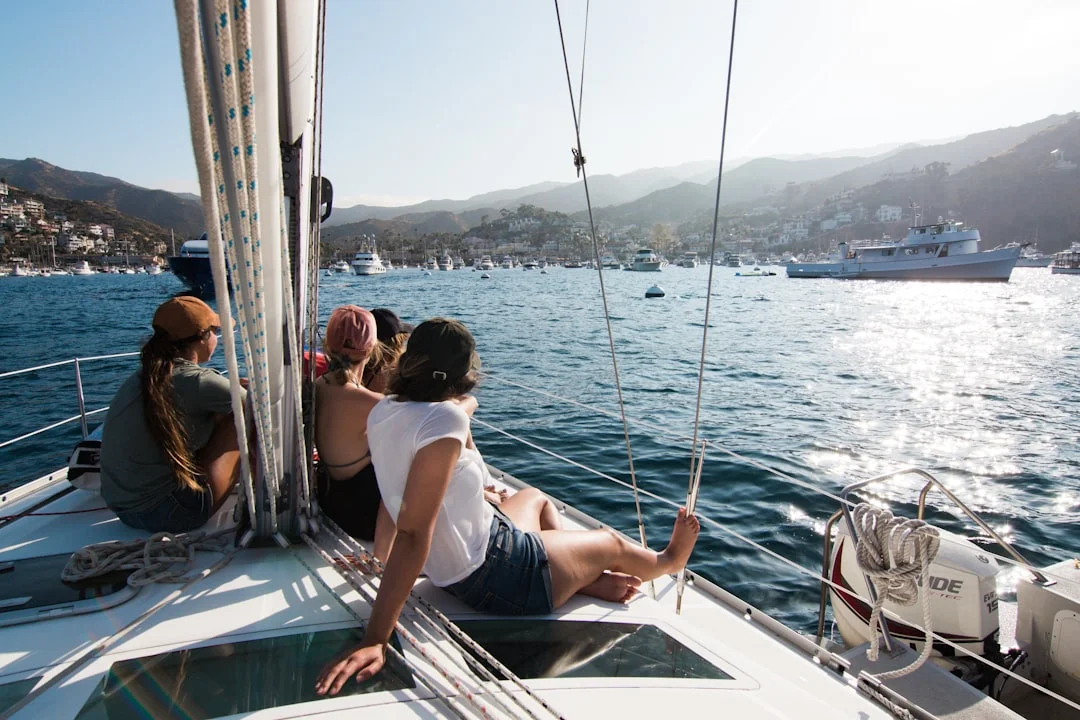
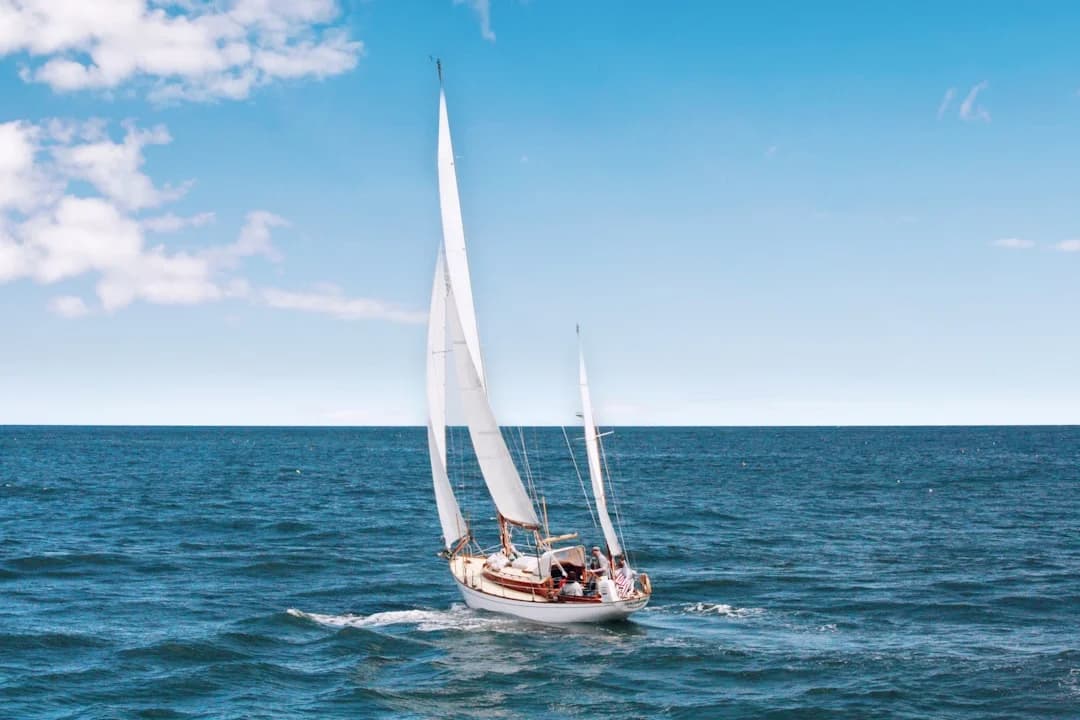
Photo by Luke Bender on Unsplash
How to Use This Bareboat Charter Packing List (Carry-on, Checked, Buy-on-Arrival)
Boarding-day resilience: assume luggage is delayed
I pack like my checked bag is going to vacation without me. Bases don’t care that your toiletries are in Miami; the checkout clock still runs, and the briefing still takes ~1–2 hours. Your carry-on needs to let you do a safe first afternoon and a tolerable first night, even if everything else is “en route.”
Start with the airline reality: liquids are capped at 3.4 oz (100 mL) per container, all inside a 1 quart (~1 L) bag. That makes sunscreen and repellent the first packing problem to solve, not the last. I bring travel sizes for Day 1–2, then buy full-size locally once I know what the chandlery or market actually carries.
The 3-bucket method: Pack vs. Provided vs. Buy
Use three buckets: Pack, Provided, Buy-on-arrival. The decision rule I’ve learned the hard way is simple: if it’s safety-critical, fit-dependent, or island-expensive, bring it. If it’s heavy, leaky, or easy to source (beer, bottled water, pasta), buy it there.
Also pack for the boat, not your closet. Many operators discourage hard suitcases because locker openings and under-berth hatches are tight, and you’ll be that person living with a plastic shell in the middle of the cabin. A soft duffel that compresses to <2–3 in (5–8 cm) stows flat and keeps the cabin livable.
Destination filters: BVI vs. Mediterranean vs. cold-water
For a BVI bareboat charter packing list, bias toward sun gear, swimwear, and dinghy-ready footwear; you’ll be wet a lot, by choice. For the Mediterranean, even in summer, evenings can dip into the high teens °C, so a light insulating layer earns its space. This is especially true if you're sailing the Aegean from Turkey to Greece, where the meltemi can make July afternoons feel cool on deck. For cold-water cruising (think Pacific Northwest or early-season Adriatic), your comfort depends on layering and spray protection, not extra T-shirts.
Before you fly, email the base and request the boat’s inventory PDF and “what’s included” sheet. Specifically confirm linens, towels, snorkel sets, and whether there’s a starter pack for paper goods. Then save your checklist on your phone and print it—because your battery will die exactly when someone asks where the flares are.
Practical tip (captain’s rule): If it keeps you alive, keeps the boat legal, or keeps your feet intact—pack it in carry-on or personal item. Base-day is not when you want to “make do.”
What a Bareboat Charter Usually Provides (and What Often Costs Extra)
Standard onboard gear vs. operator-by-operator variations
“Provided” in charter language means “provided on this particular boat, today, if the last crew didn’t break it.” Most bases supply a tender and outboard, but details vary: a typical charter dinghy is 9–11 ft with a 6–15 hp outboard. A 9.9 hp outboard often weighs ~80–100 lb (36–45 kg), which matters when a tired crew tries to tilt it up in chop.
You’ll usually see basic galley gear (pots, pans, plates), navigation lights, and some chart solution—anything from paper charts to a tablet running Navionics. You may get snorkeling gear, but don’t assume it’s there, sized correctly, or pleasant. If you care about fit, treat it as “bring” or “buy,” not “provided.”
Linens, towels, and galley basics: what to confirm in writing
Linens are the classic surprise charge. Some companies include sheets and pillowcases but charge for towels, extra sets, or beach towels; others bundle it all, and some do neither. Get it in writing because “I think it’s included” is not a useful phrase when you’re standing at the base office.
Also ask what the starter pack includes. A common “starter pack” is basically enough to avoid immediate misery: 1 roll paper towels, 1–2 rolls toilet paper per head, a small dish soap, and 1 trash bag, good for ~12–24 hours if your crew is disciplined. Plan your first provisioning run around that reality, not optimism.
Safety gear expectations and checkout verification
During checkout, physically verify safety gear instead of nodding politely. In US waters, USCG 33 CFR 175 covers personal flotation device carriage; even outside the US, it’s a solid benchmark for what “reasonable” looks like. Count PFDs, check sizes, and make sure they fit actual humans—not theoretical adults. If you are sailing with kids, bring properly fitted child PFDs from home—charter stock rarely includes junior sizes.
Confirm the reboarding ladder is present and deployable, aligned with ABYC H-41 guidance on reboarding means. I’ve seen ladders that existed only as a faded diagram on a locker lid, which is funny until someone falls in. If the base uses SOLAS/IMO-rated gear, check flare and liferaft expiry dates, and don’t accept “should be fine” as a date format.
Clothing System for Life Aboard (Water Limits, Climate, Laundry Reality)
Freshwater capacity drives clothing choices
On a bareboat, freshwater is a budget—spend it like it matters. Many 40–45 ft monohulls carry roughly 300–800 L (80–210 US gal), while 40–50 ft catamarans are often ~600–1,200 L (160–320 US gal). That sounds like plenty until six people start taking “home showers” and rinsing salty towels twice a day.
This is why quick-dry clothing beats more clothing. You’ll do the saltwater pre-rinse trick (a quick dip or bucket rinse), then a brief freshwater rinse, then hang-dry in airflow. If your plan relies on washing cotton and hoping for miracles, you’ll be damp, smelly, and weirdly confident anyway.
Tropics (BVI) vs. Mediterranean shoulder season
For a 7-day warm-water charter, this capsule wardrobe is realistic and doesn’t punish your water tanks. Pack 3–5 quick-dry tees, 2–3 shorts, 2 swimsuits, 1 long-sleeve UPF top, 1 light insulating layer, and 1 packable rain shell. Add 6–8 pairs of underwear if you like feeling civilized, and don’t forget one decent shore outfit that won’t get you seated at the restaurant’s “wet corner.”
BVI is humid and swim-centric; you’ll live in rash guards and board shorts. Mediterranean shoulder season needs a warmer layer at night, and you’ll spend more time ashore—so footwear and a light jacket matter. I’ve sailed Greece in May with 28°C afternoons and 15°C evenings; you can be sunburned and chilly in the same day.
Rain and spray protection by design category
Not all foul-weather gear is equal, and you don’t need an ocean-crossing kit to sail the Grenadines in trade winds. A lightweight coastal jacket ($120–$350) is usually enough for warm rain and spray, while a true offshore set ($500–$1,200) earns its keep in cold, windy regions. In Europe, boat paperwork may reference CE design categories tied to ISO 12217, which can hint at the conditions the boat is intended to handle.
Don’t forget the small habits that save plumbing and tempers. Keep hair out of shower drains, rinse sand off feet before going below, and designate one towel as “deck towel” so the head doesn’t become a beach. If your crew adopts even a modest “navy shower” routine, your tanks last longer and the boat smells less like a locker room.
Practical tip (water discipline): Do a quick saltwater rinse first, then a 15–30 second freshwater rinse. You’ll cut water use dramatically and still sleep without sticking to your sheets.
Footwear, Dinghy Landings, and ‘Don’t Damage the Deck’ Rules
Deck shoes: traction, non-marking soles, toe protection
Bring two pairs of shoes, minimum. Pair one is non-marking deck shoes with a siped sole, $60–$180, for traction on wet fiberglass and to keep the owner’s rep happy. Pair two is closed-toe water shoes with a ~3–5 mm sole for coral, rocks, and mystery debris at the dinghy dock.
Avoid black-marking soles, heavy hiking boots that chew up non-skid, and flip-flops on deck under sail. Flip-flops are great until you’re bracing in a gust with a toe half on and half off the strap. The sea accepts offerings quickly and without refunds.
Dinghy handling and line/chain abrasion risks
Charter tenders are workboats, not toys, and they bite ankles when you rush. With a typical 9–11 ft dinghy and a 6–15 hp outboard, you’ll be lifting the engine, handling the painter, and stepping onto slippery docks. Remember that a 9.9 hp outboard at ~80–100 lb (36–45 kg) is not something you want to wrestle barefoot.
Gloves are not fashion; they’re skin insurance. Many charter boats carry 5/16 in (8 mm) G4 chain on 35–45 ft boats, and 3/8 in (10 mm) on larger cats, and chain plus snubbers can abrade hands fast. A basic pair of sailing gloves saves you rope burn and lets you handle ground tackle confidently when the wind shifts at 0300.
Shore landings: coral, rocks, slippery docks
Your feet will hit places that don’t care about your vacation. Coral, barnacles, slime-covered concrete ramps, and floating docks with hardware sticking out all show up on the same itinerary. Closed-toe water shoes also reduce the “toe finds the cleat” incident rate, which is higher than most skippers admit.
Set a simple deck policy: shoes on deck, no sandy soles below, and laces tied. It sounds strict until you’re cleaning grit out of a bilge pump strainer. Crews appreciate rules when they prevent someone else’s chaos.
Sun, Bugs, and Health: Sunscreen, Seasickness, First Aid, Meds
Airline-friendly packing for liquids and prescriptions
Airline rules shape your packing more than you’d like. Carry-on liquids must be 3.4 oz (100 mL) or less per container, all inside a 1 quart (~1 L) bag, so plan sunscreen and repellent accordingly. I bring travel-size reef-safe sunscreen and repellent for the first 24–48 hours, then buy full-size locally once I see what’s available and what “reef-safe” means in that country.
Keep prescriptions in original packaging, and carry copies—printed and digital—because pharmacies at the islands may not stock your exact medication. Put the important stuff (passport, meds, certificates) in a 1–2 L waterproof pouch, because dinghy spray and surprise rainstorms have excellent timing. Reef-safe sunscreen typically runs $10–$25, and repellent $6–$15, often higher at marina shops.
Seasickness prevention: timing, dosing, and backups
Seasickness is easier to prevent than to fix, and it starts before you leave the dock. Sleep, hydration, and eating something bland matter as much as medication. If you use meclizine or similar, take it early; if you use scopolamine patches, they need lead time and a realistic understanding of side effects.
Pack a seasickness kit with 24–48 hours of coverage in carry-on, because arrival day is when you’re most likely to be tired, dehydrated, and immediately underway. Keep ginger chews or electrolyte packets as backup; they’re not magic, but they help people keep fluids down. Budget $10–$50 depending on what you use and where you buy it.
First-aid additions tailored to charter injuries
Charter boats provide a first-aid kit, but it’s often minimal and sometimes picked over. I add blister care, antiseptic wipes, tweezers (for spines), an elastic wrap, burn gel, and a small pack of electrolyte salts. These cover the common injuries: line burns, fin chafe, sunburn, and the mysterious “I walked into the boom” bruise.
Sun management is operational, not just cosmetic. Bring UPF 50+ rash guards, a hat with a chin strap, and a sunglasses retainer so you’re not donating optics to Poseidon. Plan sunscreen quantity at ~3–6 oz (90–180 mL) per person per week, depending on exposure and how much time you spend in the water.
Practical tip (sun discipline): Reapply at least every 2 hours on deck and after swims. If you wait until you “feel it,” you’re already late.
Electronics, Power, and Navigation Basics (Charging, Waterproofing, Route Planning)
12 V reality onboard: charging without shore power
Most of your charging will happen on 12 V DC, not wall outlets. Many charter boats have limited inverter capacity, and some have none at all, so plan to charge phones, tablets, and headlamps from 12 V sockets and USB ports. Bring a dual-port USB‑C PD car-style charger rated 30–60 W, plus spare cables, and label everything because crews share chargers like they share blame.
Refrigeration is usually 12 V, and it’s a silent battery eater. A typical marine fridge draws ~3–6 A when the compressor runs, and that draw shapes how long you can anchor before needing engine time or a marina night. If you anchor two nights in a row, reduce door-open time, pre-chill drinks, and don’t load warm groceries into an already-struggling fridge.
Shore power differences and safe adapters
When you do get shore power, it’s often either 120 V/30 A (US) or 230 V/16 A (EU). The pedestal can be live and still useless to you if you’ve brought the wrong plug adapter, or if your devices need a transformer (most modern chargers are 100–240 V, but check). Don’t assume the boat’s adapter kit exists, and don’t assume it wasn’t “borrowed” last week.
Bring the correct plug adapters (Type A/B to C/F/G depending on destination) and one compact power strip that won’t overload circuits. Electrical safety matters, and ABYC E-11 is the grown-up reminder that shore power faults can be serious. If you don’t understand the pedestal, ask the base tech; embarrassment beats smoke.
Route planning and distance checks: what to bring and why
Bring offline navigation: at least one phone and one tablet with charts downloaded, plus a simple written plan with distances, headings, and bailout options. On charter, the “what to pack for a sailing charter” question includes the boring stuff like charging redundancy and a pencil. Electronics fail at sea because they get wet, overheated, or dropped—usually in that order.
For passage planning, I still like a simple distance and ETA check before leaving each anchorage—especially when you’re deciding between two itineraries, or trying to be strict about daylight arrivals. To calculate the distance between ports and compare options quickly, it helps to run the leg length before you lock in an anchorage plan.
Lighting is part of safe operations, not just convenience. Pack a headlamp in the 150–400 lumen range with a red mode for night vision, and keep spare batteries or a recharge plan. Even if the boat’s nav lights are compliant, COLREGS watchkeeping is easier when each crew member can do a quiet deck check without turning the cockpit into a stadium.
Snorkel/Beach Gear and Water Toys: Bring, Rent, or Skip?
Fit-critical items: masks and fins
If there’s one piece of gear I prefer to own, it’s a mask. Adult mask skirt widths are commonly ~110–130 mm, and a poor match means leaks, fogging, and a week of frustration while everyone else sees turtles. Tempered glass is worth it, and a mask that fits your face is more valuable than a “premium” rental with someone else’s sunscreen film.
Fins are more negotiable because they’re bulky, but rentals often run out of common sizes in peak weeks. If you’re picky about fit or you wear uncommon sizes, buying ahead can save time and money at the base. A basic snorkel set typically runs $60–$200, and it’s usually the difference between “we snorkeled every day” and “we tried twice.”
Dry storage for dinghy runs and beach landings
Dry storage is not optional once you’ve watched a phone bounce off a dinghy seat into the drink. Plan one 10–20 L dry bag per couple for dinghy runs, plus a 1–2 L waterproof pouch for documents, keys, and cash. Waterproof phone pouches rated IPX8-style are typically $10–$35, and they’re cheaper than a new phone on day two.
Don’t over-pack beach gear. A UPF 50+ rash guard ($25–$80) does double duty as sun protection and chafe control, and it packs small. Add booties if your fin straps rub, and your ankles will thank you by midweek.
When rentals make sense (and when they don’t)
Rentals make sense when storage is tight and you don’t care about exact fit. They don’t make sense when you’re traveling during peak season, when bases run short on common sizes and replacement parts. Optional toys like SUPs can be great, but consider windage, deck storage, and cost—especially if the itinerary is mostly sailing days and not “float days.”
As a rule: buy the things that touch your face, protect your skin, and keep your phone dry. Rent the things that take up half a cockpit locker. Your future self, trying to find the bilge pump handle under a pile of fins, will approve.
What to Buy Before You Fly + Budget Reality Check (Provisioning, Deposits, Insurance)
Buy-before-you-fly priorities (island availability and price)
My buy-before-you-fly list is boring and effective: reef-safe sunscreen, meds, a mask you trust, gloves for chain, power adapters, spare charging cables, and waterproofing (dry bags and pouches). These are either expensive on islands, limited in selection, or annoying to replace mid-charter. Add a small spares kit like spare sunglasses retainers and a roll of rigging tape, because little failures happen daily.
Security deposits are real money, usually $2,000–$8,000, and they change how I treat gadgets onboard. Deposit reduction products often cost ~6%–10% of the weekly fee, and can be worth it if your crew is inexperienced around docks. If you’re not comfortable risking your laptop and $800 headphones, don’t bring them—saltwater has no sympathy.
Provisioning strategy: weight, packaging, and cold storage limits
Provisioning is a systems problem: cold storage, packaging waste, and trash management at anchor. A realistic grocery budget is $150–$350 per person per week in the Caribbean or Mediterranean, and provisioning delivery/pick services often run $50–$200. Delivery can be worth it if your arrival is late or your crew would rather start sailing than argue over cereal brands.
Plan the first 24 hours separately. Buy one dinner, one breakfast, and simple snacks, plus ice and enough water to get through the first night—because the “starter pack” is only good for 12–24 hours. Then do a bigger shop once you’ve seen the fridge volume and confirmed the 12 V fridge draw and battery behavior.
Deposits, waivers, and when to bring your own backup gear
Bring your own backup gear when it’s small, personal, and hard to source quickly: a headlamp, a handheld VHF ($100–$250) if you like redundancy, or even a PLB (406 MHz, typically $300–$450) for the primary watchstander. PLBs travel well and don’t depend on the boat’s maintenance habits, which can vary by operator and season. If you bring one, register it properly and keep it on the person, not in a drawer.
Do not transport fuel, ever, and don’t try to be clever with jerry jugs in luggage. Follow base procedures for fueling and storage, consistent with the safety intent behind ABYC H-33 (diesel) and ABYC H-24 (gasoline) guidance. For planning engine hours and fuel burn, use a quick tool to estimate your fuel needs based on the voyage distance and sanity-check whether you’ll need to motor for charging or schedule a marina night.
Practical tip (admin checklist): Before the flight, confirm: passports, contract, competence certificate (ICC/ASA/RYA as required), insurance, crew list, and a local SIM/eSIM plan If you're still deciding whether to go bareboat or hire a skipper, our bareboat vs skippered charter comparison breaks down the costs and trade-offs. ($10–$60). Keep originals in a waterproof pouch and copies on your phone.
FAQ: Bareboat Charter Packing and Base-Day Checks
For a 40–50 ft charter boat with 12 V refrigeration drawing ~3–6 A when running, how should we plan battery charging if we anchor 2 nights between marinas?
Assume the fridge will cycle overnight and plan conservative energy use for 2 nights: fewer device charges, minimal inverter use, and disciplined fridge openings. If batteries sag by morning one, schedule a midday motor run (often 45–90 minutes) to recharge, ideally while transiting between anchorages. Use a tool to check the nautical miles for your planned route so you can estimate engine hours between stops and align that with daylight and your desired arrival time.
What shore-power adapters and charging gear do we need if the base is 230 V/16 A (EU) but our devices are US plugs, and the boat has only limited inverter capacity?
Bring EU plug adapters (often Type C/F, sometimes G depending on country) and rely on 12 V USB‑C PD (30–60 W) charging onboard rather than expecting US-style outlets. Most modern chargers accept 100–240 V, but you still need the correct plug shape to use marina power. Don’t plan on running high-wattage US appliances; with limited inverter capacity, they’ll either trip, complain, or cook something expensive.
During checkout, which items should we physically verify for expiry and fit (PFD sizes, flare dates, reboarding ladder deployment) and how does this align with USCG 33 CFR 175 and ABYC H-41?
Count PFDs and confirm sizes fit your actual crew, consistent with the intent of USCG 33 CFR 175 (carriage and suitability). Check flare expiry dates and any SOLAS/IMO markings if the base uses commercial-rated gear, and confirm fire extinguishers are in date/charged. Deploy the reboarding ladder in front of staff to confirm it works, aligning with the safety intent of ABYC H-41—because discovering a missing pin after someone falls in is a bad time.
How many pairs of quick-dry clothes are realistic for a 7-day BVI itinerary given typical freshwater capacities and no onboard laundry?
For a week in the BVI, you can live comfortably with 3–5 quick-dry tops, 2–3 shorts, and 2 swimsuits, plus a UPF long-sleeve and one light layer. With water tanks typically ~600–1,200 L on cats and ~300–800 L on monos, your limiting factor is usually shower habits, not clothing volume. Quick-dry fabrics plus a saltwater pre-rinse routine beat overpacking every time.
What mask and fin sizing details should we confirm before buying, and why do rental inventories often fail in peak season?
Confirm mask skirt width and seal on your face; adult masks commonly fall around ~110–130 mm, and a few millimeters can be the difference between dry and leaky. For fins, confirm whether you’ll wear them barefoot or with booties, and match sizing to EU/US ranges accordingly. Rentals fail in peak season because common sizes disappear first, straps break, and turnaround time is short—so fit-critical gear is smarter to buy ahead.
Conclusion: The Destination-Adjustable Bareboat Charter Checklist That Works
A reliable bareboat charter packing list separates carry-on survival items, checked-bag comfort items, and buy-on-arrival consumables. Confirm the operator’s inventory PDF in advance, because “provided” varies wildly between bases and even between sister ships. Pack for the realities of limited freshwater (~300–1,200 L depending on boat), 12 V charging, and the fact that a dinghy and chain will happily remove skin if you let them.
Spend pre-trip money on fit-critical and island-expensive items—mask, sun protection, adapters, gloves, and waterproofing—so base day is a checkout, not a scavenger hunt. Use a quick tool to plan your route using a sea distance calculator to sanity-check legs, ETAs, and engine hours, then keep a short checklist on your phone for the ~1–2 hour base briefing. Do those things, and the only surprises you’ll get are the good kind.
About the Author
Related Articles
Diesel Heater Troubleshooting Boat: No-Start & Soot Fixes
Fix diesel heater no-start and sooting on your boat. Step-by-step checks for power, fuel, air/exhaust and maintenance—read the guide now.
By Breezada Team
Docking a Catamaran: Maneuvers, Springs & Crew
Master docking a catamaran with close-quarters maneuvers, spring lines, and crew roles. Learn the steps and dock with confidence—read now.
By Breezada Team
Best Stove for a Sailboat: Propane vs Diesel vs Induction
Compare propane, diesel, and induction stoves for cruising safety, cost, and power needs—use our guide to choose the best stove for your sailboat.
By Breezada Team
Single Handed Docking Sailboat: Line Methods & Drills
Learn single handed docking sailboat line-first methods, setup, and drills for crosswind/current. Practice safely—get the step-by-step plan now.
By Breezada Team