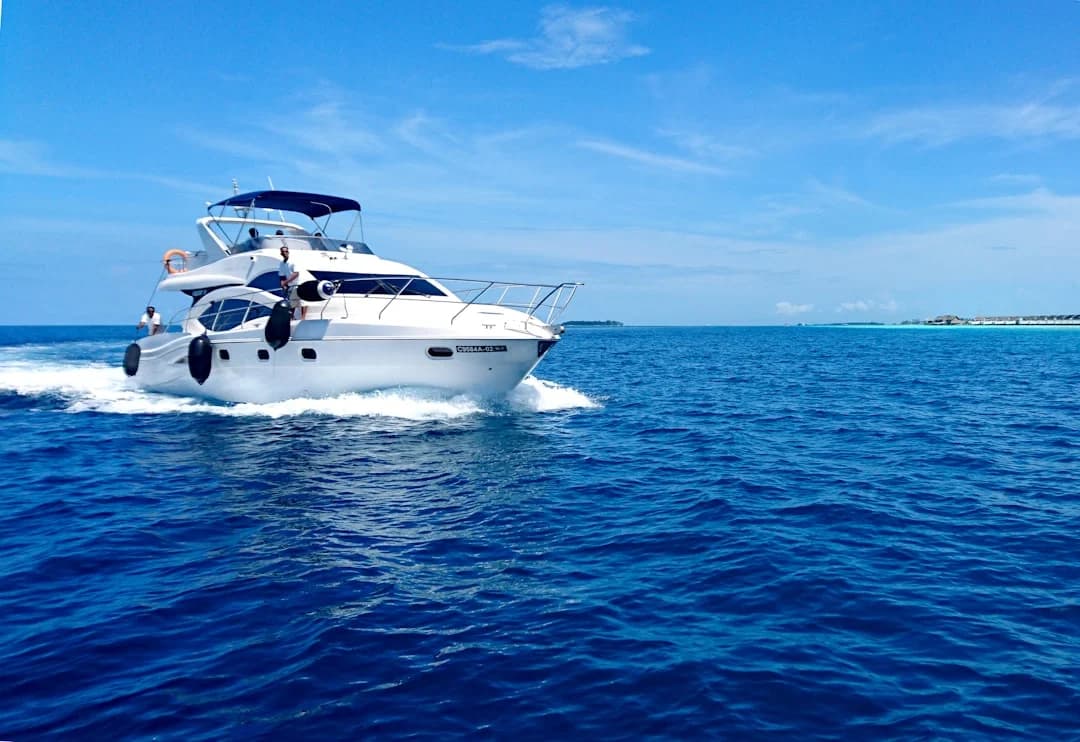
Choosing between a bareboat and skippered charter comes down to one honest question: can you safely handle the boat yourself? If the answer is yes — and you have the qualifications to prove it — a bareboat charter gives you total freedom over your itinerary, schedule, and the satisfying challenge of running your own ship. If the answer is no, or if you'd simply rather spend the week relaxing instead of navigating, a skippered charter puts an experienced professional at the helm while you enjoy the sailing.
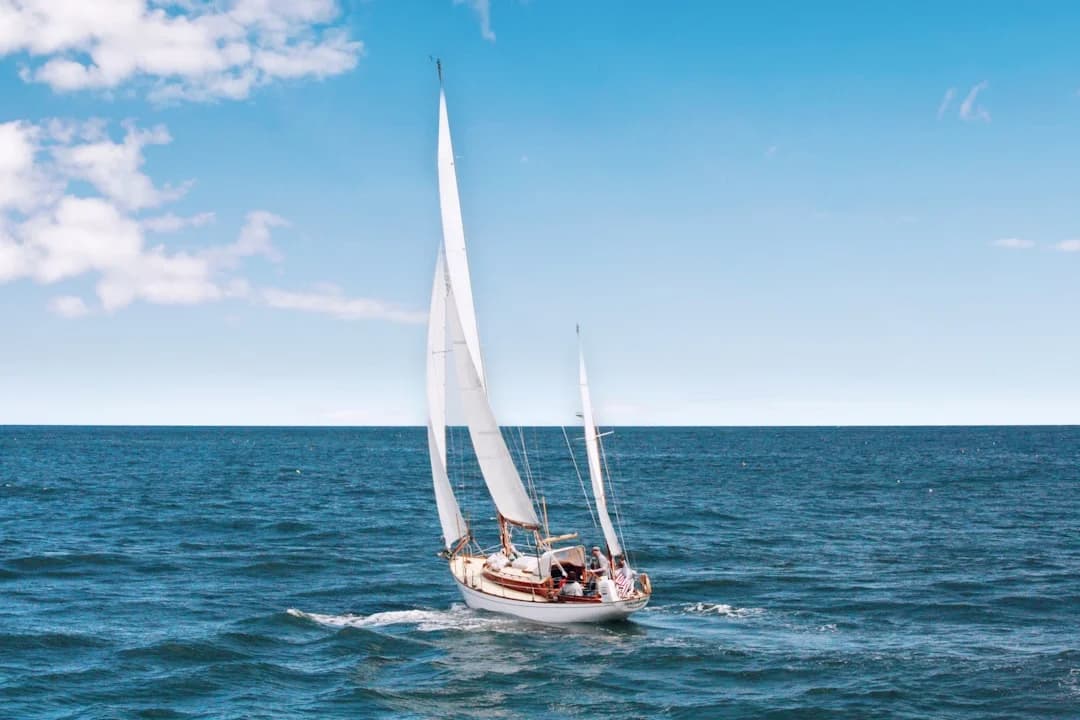
Photo by Alina Kacharho on Unsplash
Both options get you on the water. Both can deliver an extraordinary holiday. But they are fundamentally different experiences — in cost, in responsibility, in the kind of memories you'll take home. Here's a detailed breakdown to help you decide.
What Is a Bareboat Charter?
A bareboat charter means you rent the yacht — hull, sails, engine, navigation instruments, safety gear — and nothing else. No crew, no captain, no cook. You are the skipper, responsible for passage planning, anchoring, mooring, provisioning, and returning the boat in one piece.
Charter companies will ask to see your sailing credentials before handing over the keys. In most Mediterranean and Caribbean bases, you'll need at least an ICC (International Certificate of Competence) or an equivalent national license such as RYA Day Skipper or ASA 104. Some companies also require a sailing CV listing recent logged miles. If you're unsure which certification you need, our guide to sailing certifications — ASA, RYA, and ICC breaks down the differences.
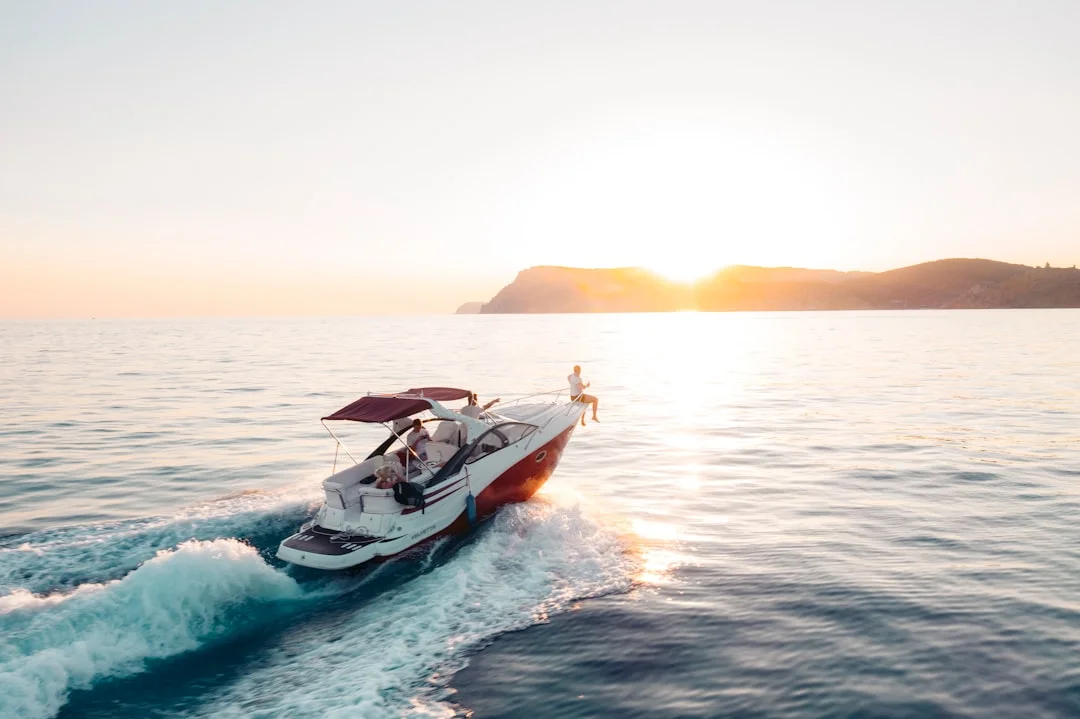
Photo by Ivan Ragozin on Unsplash
Who Bareboat Is Best For
- Qualified sailors with documented offshore or coastal experience
- Groups where at least two people can share helming and navigation
- Sailors who want to set their own pace — wake up early or sleep in, skip a popular harbor in favor of a quiet anchorage
- Repeat charterers who know the cruising ground
- Anyone who genuinely enjoys the work of sailing, not just the result
Typical Bareboat Costs
Prices vary enormously by season, boat size, and location. As a rough guide:
| Boat Type | Low Season (per week) | High Season (per week) |
|---|---|---|
| 32–36 ft monohull | €1,500–€2,500 | €2,800–€4,500 |
| 38–42 ft monohull | €2,500–€4,000 | €4,500–€7,000 |
| 40–44 ft catamaran | €3,500–€6,000 | €6,500–€12,000 |
On top of the base rate, budget for a security deposit (€1,500–€5,000 depending on boat size, often reducible via damage waiver insurance at €150–€300/week), provisioning (€50–€100/person/day if you cook aboard), fuel (€100–€250/week for a monohull), marina fees (€30–€80/night where applicable), and end-cleaning (€150–€250).
What Is a Skippered Charter?
A skippered charter includes the same boat — but with a professional skipper aboard. The skipper handles navigation, route planning, anchoring, docking, and any tricky situations like sudden weather changes or engine trouble. You and your group are passengers who can participate in sailing as much or as little as you like.
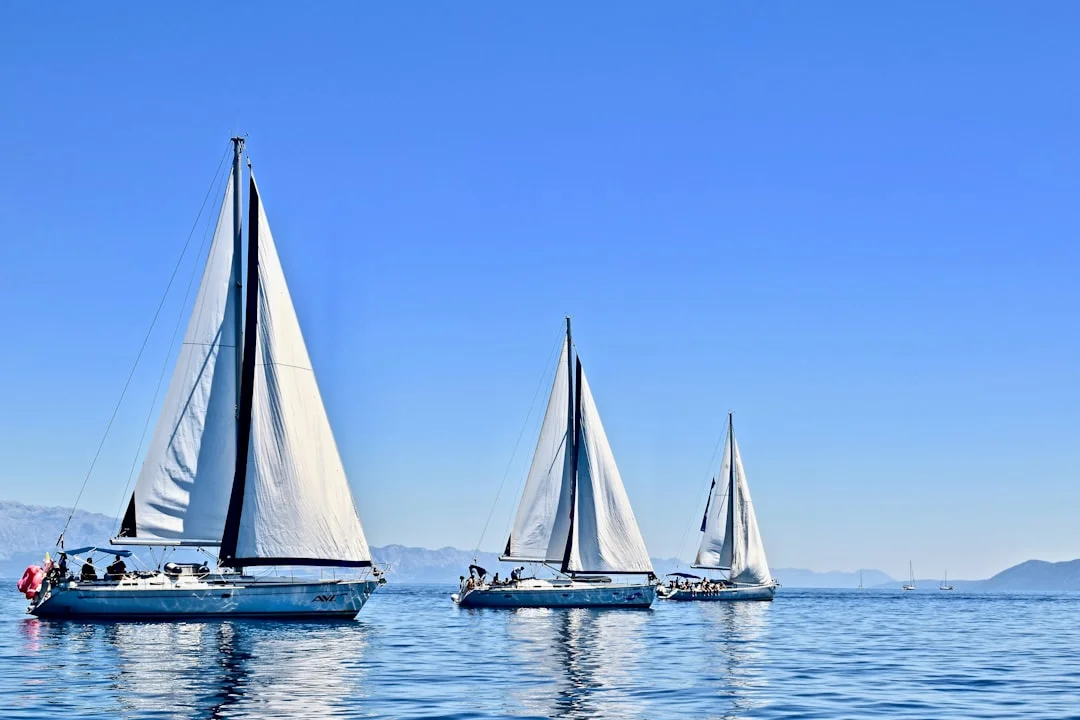
Photo by Karla Car on Unsplash
The skipper typically sleeps in the smallest cabin (or a dedicated skipper cabin on larger boats), eats with the group, and adapts the itinerary to your preferences. A good skipper is part navigator, part tour guide, part weather forecaster — and knows the local cruising ground intimately: where the best tavernas are, which anchorages offer shelter in a northwesterly, and which harbor master is friendliest at 6 a.m.
Who Skippered Is Best For
- Non-sailors and beginners who want a sailing holiday without the certification barrier
- Families with young children, where having an extra experienced adult on board is a safety net
- Groups of friends where nobody holds a sailing license
- Corporate retreats and celebrations
- Experienced sailors visiting an unfamiliar cruising ground who want local knowledge
- Anyone who wants to learn — a skippered charter can double as an intensive hands-on sailing course
Typical Skippered Charter Costs
The skipper fee sits on top of the bareboat rate:
| Region | Skipper Fee (per day) | Notes |
|---|---|---|
| Greece & Croatia | €150–€200 | Often plus food (skipper eats with crew) |
| Turkey | €130–€180 | Generally includes meals aboard |
| Caribbean (BVI, etc.) | €200–€300 | Higher cost of living |
| Thailand & SE Asia | €100–€160 | Lower local rates |
So for a week-long charter, expect the skipper to add €900–€2,100 to the total cost. You're also expected to feed the skipper (either cook for them or cover restaurant meals — budget roughly €30–€50/day extra). Some charter companies include the skipper in a package deal, especially outside peak season.
Head-to-Head Comparison
| Factor | Bareboat | Skippered |
|---|---|---|
| Qualifications required | Yes — ICC, RYA, ASA, or equivalent | None |
| Total freedom | Complete — you make every decision | High — but the skipper has final say on safety |
| Privacy | Full — only your group aboard | One extra person shares the boat |
| Cost | Lower base, but you do all the work | Higher, but less stress |
| Learning opportunity | Reinforces existing skills | Great for beginners learning from a pro |
| Safety margin | Depends on your experience | Built-in — the skipper handles emergencies |
| Local knowledge | Only what you research | Comes with the skipper |
| Flexibility | Unlimited | Very high — good skippers adapt to your wishes |
| Responsibility | You handle everything, including breakdowns | Skipper handles technical issues |
Practical Considerations Most People Overlook
The Docking Question
Mediterranean-style stern-to mooring — backing into a slot between two expensive yachts with a crosswind and an audience of fellow sailors watching from the quay — is the single most stressful moment in a charter week. If you haven't done much stern-to docking, this alone can be a valid reason to go skippered for your first trip in an unfamiliar area.
Night Sailing and Passage Length
On a bareboat, you're limited by your own endurance. If you want to cover longer distances — say, from Athens to Santorini (~130 nm) — you'll either need to break the trip into legs or commit to overnight sailing with enough qualified crew to maintain a proper watch rotation. A skipper adds one more experienced person to the watch bill. You can calculate the distance between any two ports beforehand to plan realistic daily legs.
Insurance and Liability
Bareboat charters come with a security deposit — often €2,000–€5,000 for a 40-footer. If you run aground, clip a dock, or damage the rigging, you're liable up to that amount. Damage waiver policies can reduce the excess to zero for an additional €200–€400/week.
With a skippered charter, the skipper's professional experience significantly reduces the risk of incidents. Most charter companies still require a deposit, but claims are far less common with a professional at the helm.
Provisioning and Daily Life
On a bareboat, you're doing your own provisioning, cooking, and cleaning. This can be a wonderful part of the experience — shopping at local markets, grilling fish you caught an hour ago — or it can be exhausting after a long day of sailing. If you're planning a bareboat trip, our bareboat charter packing list covers exactly what to bring, what's already on the boat, and what to buy locally.
On a skippered charter, provisioning responsibility varies. Some skippers help with shopping or know the best local suppliers. You can also add a hostess or cook to the charter for an additional fee (typically €120–€180/day), turning it into more of a crewed yacht experience.
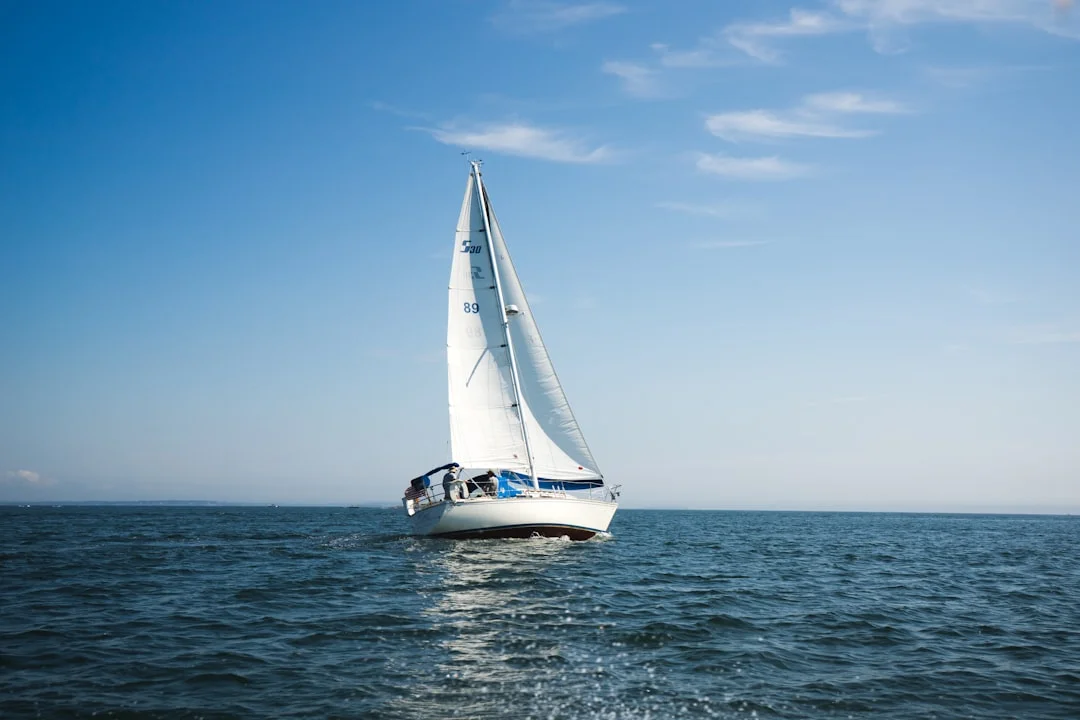
Photo by Evan Smogor on Unsplash
The Best Cruising Grounds for Each Option
Best for Bareboat
- BVI (British Virgin Islands) — Short distances between islands, line-of-sight navigation, well-maintained mooring buoys, and steady trade winds. This is the training-wheels cruising ground for first-time bareboat charterers. Typical daily hops are just 5–15 nm.
- Croatia — The Dalmatian coast is well-charted, has hundreds of protected anchorages, and marinas every few miles. Wind is generally manageable except during the Bora.
- Greece (Ionian Islands) — Lighter winds than the Aegean, sheltered waters between Corfu, Lefkada, Kefalonia, and Ithaca. Predictable afternoon breezes.
Best for Skippered
- Greece (Cyclades/Aegean) — The Meltemi wind can blow 25–35 knots in July and August. These are rewarding but demanding waters where local knowledge is invaluable.
- Turkey (Turquoise Coast) — Gorgeous but unfamiliar for most visitors. A local skipper knows the best-hidden coves, the gulet traffic patterns, and the anchoring quirks of each bay.
- Thailand — Tidal considerations, reef navigation, and very different maritime norms compared to European waters. A skipper who knows the Andaman coast is worth every baht.
Use Breezada's sea distance calculator to plan your daily hops in any of these regions — it covers 3,200+ ports worldwide and gives you accurate nautical mile distances to keep your passage planning realistic.
How to Decide: A Simple Framework
Ask yourself these five questions:
1. Do you hold a valid sailing qualification?
If no — skippered is your only option (and that's perfectly fine). If yes, move to question 2.
2. How well do you know the cruising area?
First visit to a challenging area like the Aegean or the Grenadines? A skipper's local knowledge prevents costly mistakes and shows you anchorages you'd never find on a chart.
3. How experienced is the rest of your crew?
If you're the only qualified sailor and everyone else has never touched a winch, you'll spend the entire holiday working while they relax. A skipper frees you up to actually enjoy the trip.
4. What kind of holiday do you want?
If the sailing itself is the holiday — the satisfaction of a clean tack, the pride of a perfect anchor set — go bareboat. If sailing is just the vehicle and the destination is what matters, go skippered.
5. What's your budget?
A skipper adds roughly €1,000–€2,000/week (including meals). If that's manageable and it buys you peace of mind, it's money well spent. If you'd rather put that toward a longer trip or a bigger boat, bareboat stretches the budget further.
The Hybrid Option: Skippered for Day One, Bareboat After
Some charter companies — particularly in Greece and Croatia — offer a one-day skipper add-on. The skipper joins you for the first day, shows you the boat systems, helps with the first docking, briefs you on local conditions, and then departs. You continue bareboat for the rest of the week.
This is a smart compromise for qualified sailors who are either new to the area or rusty after a long break. Expect to pay €150–€250 for the single-day skipper handover.
A Note on "Flotilla" Charters
A flotilla sits somewhere between bareboat and skippered. You sail your own boat, but you're part of a group of 5–15 yachts following a lead boat crewed by professionals. The lead crew handles route planning, makes restaurant reservations, organizes social events, and is available on VHF if you need help.
Flotillas are ideal for:
- Sailors with basic qualifications who want a safety net
- Couples or families who enjoy socializing with other crews
- First-time charterers who plan to eventually graduate to bareboat
The downside: less freedom. You follow the group's schedule and itinerary, and you can't spontaneously decide to spend an extra night in that perfect cove.
Frequently Asked Questions
Do I need a sailing license for a skippered charter?
No. The skipper holds all required qualifications and bears legal responsibility for the vessel. You don't need any certification, experience, or documentation — just a valid passport and the ability to follow basic safety instructions. This is one of the main advantages of choosing a skippered charter.
Can I sail the boat myself on a skippered charter?
Yes, most skippers actively encourage guests to participate. You can take the helm, trim the sails, help with anchoring — the skipper is there to supervise and teach. Many people use a skippered charter as informal training before committing to a formal certification course. The skipper maintains ultimate responsibility for safety, but hands-on participation is welcomed.
How much more expensive is a skippered charter compared to bareboat?
The skipper fee typically adds €900–€2,100 per week depending on the region, plus meals for the skipper (roughly €200–€350/week). In total, expect to pay about 15–25% more than an equivalent bareboat charter. Some companies offer package deals that reduce this premium, especially in shoulder season.
What qualifications do I need for a bareboat charter?
Requirements vary by charter company and location, but most require an ICC (International Certificate of Competence), RYA Day Skipper (practical), or ASA 104 (Bareboat Cruising) at minimum. You'll also need to show a sailing CV with recent logged sea miles — typically at least 200 nm within the past two years. Some companies in less regulated regions accept fewer credentials, but responsible operators will always verify your competence.
Where does the skipper sleep on the boat?
On boats with a dedicated skipper cabin — common on catamarans over 42 ft — the skipper uses that berth. On smaller monohulls, the skipper typically takes the smallest cabin, often the forepeak V-berth. This means one cabin is occupied by the skipper and unavailable to your group, so factor this into your cabin count when booking. On a 3-cabin monohull with a skipper, you effectively have 2 guest cabins.
Can I request a specific itinerary with a skippered charter?
Absolutely. A good skipper will ask about your preferences before the trip — whether you want to cover long distances or stay in one area, prefer bustling harbor towns or secluded anchorages, want early starts or late mornings. The skipper will plan the route around your wishes while accounting for weather, tides, and safe harbor options. The only non-negotiable is safety: if conditions make a particular destination risky, the skipper will suggest alternatives.
About the Author
Related Articles
Diesel Heater Troubleshooting Boat: No-Start & Soot Fixes
Fix diesel heater no-start and sooting on your boat. Step-by-step checks for power, fuel, air/exhaust and maintenance—read the guide now.
By Breezada Team
Docking a Catamaran: Maneuvers, Springs & Crew
Master docking a catamaran with close-quarters maneuvers, spring lines, and crew roles. Learn the steps and dock with confidence—read now.
By Breezada Team
Best Stove for a Sailboat: Propane vs Diesel vs Induction
Compare propane, diesel, and induction stoves for cruising safety, cost, and power needs—use our guide to choose the best stove for your sailboat.
By Breezada Team
Single Handed Docking Sailboat: Line Methods & Drills
Learn single handed docking sailboat line-first methods, setup, and drills for crosswind/current. Practice safely—get the step-by-step plan now.
By Breezada Team