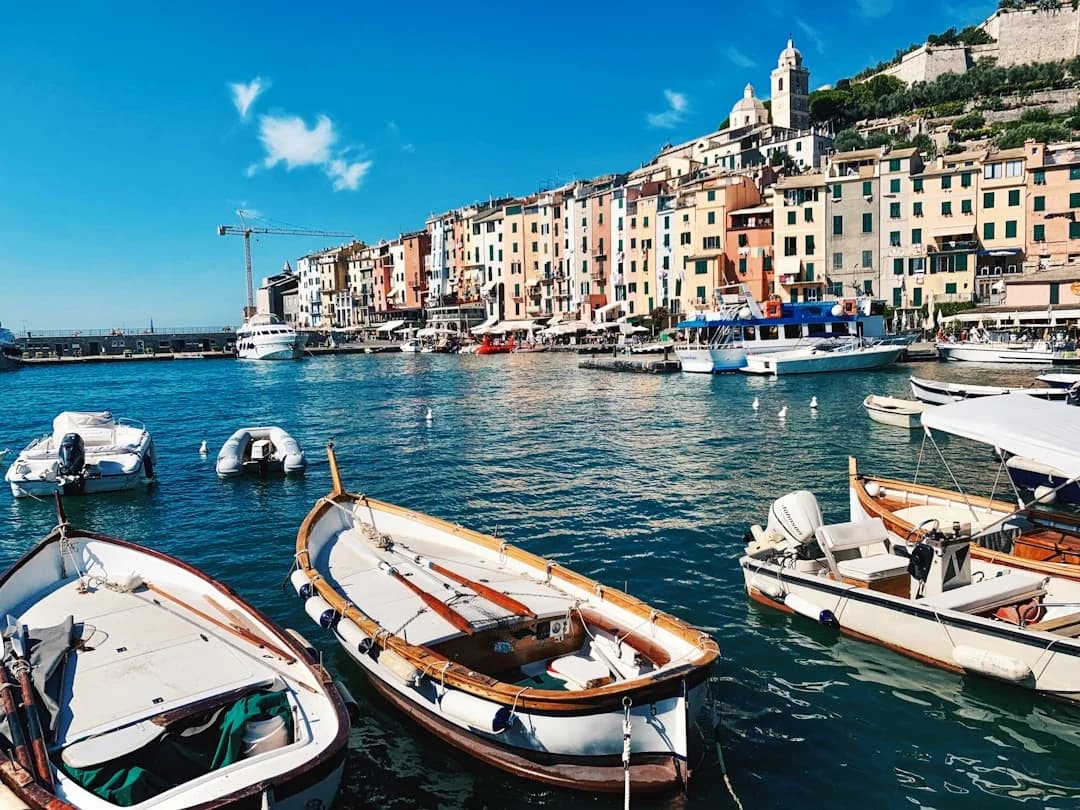
Europe has more varied sailing than any other continent on earth. From the warm, island-hopping waters of Greece to the wild Atlantic swells off Portugal and the midnight-sun fjords of Norway, the range is staggering — and it's all within a few days' sail or a short flight of each other. This guide breaks down the best sailing destinations in Europe country by country, with the kind of practical detail you'll actually need when planning a charter or passage.
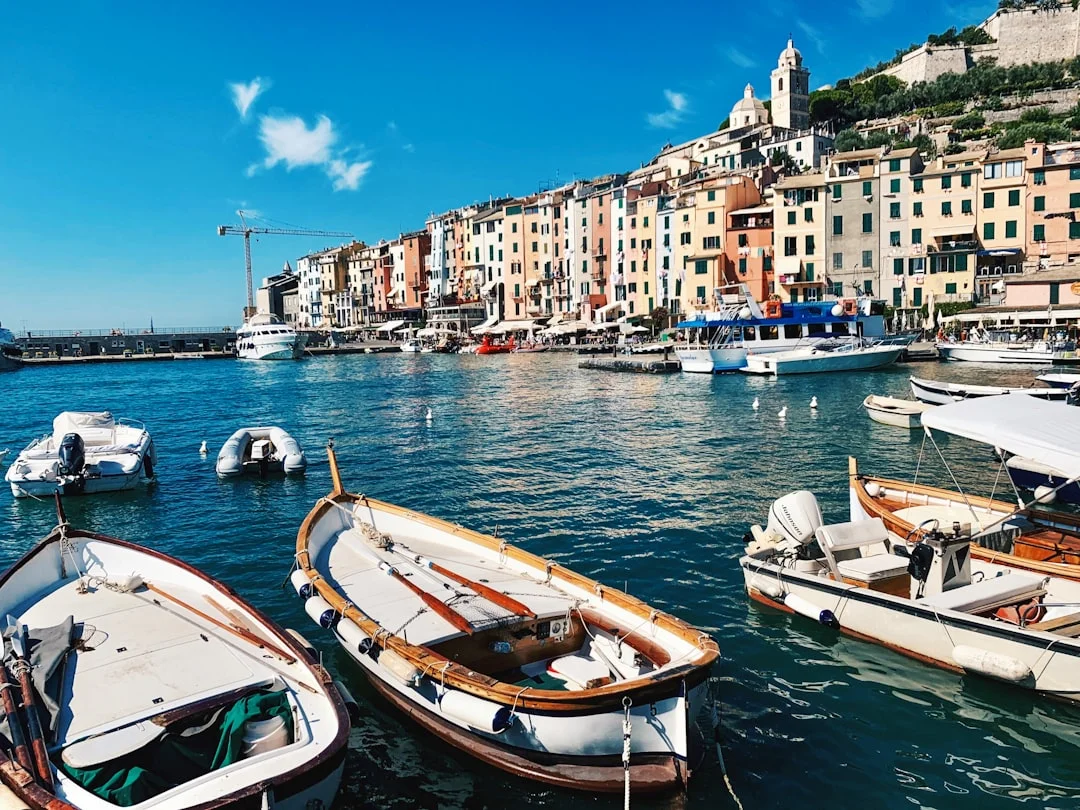
Greece — The Gold Standard for Island Hopping
Greece is where most European sailing careers begin, and for good reason. The Cyclades, Ionian, Dodecanese, and Saronic Gulf each offer a completely different character, all within a country that treats sailors like honored guests.
The Cyclades are the postcard Greece — whitewashed villages, deep blue water, and the Meltemi wind that blows a steady 15–25 knots from the north every summer. This is not beginner territory. The Meltemi can build to 35 knots without much warning, and the channels between islands funnel the wind into something genuinely uncomfortable. But if you can handle it, the reward is spectacular: Santorini's caldera, Milos's sea caves, Paros's protected bays. Passages between islands average 15–30 nm, making for manageable day sails even in strong conditions.
The Ionian Islands — Corfu, Lefkada, Kefalonia, Ithaca, Zakynthos — are the opposite. Light thermal winds, sheltered channels, and overnight anchorages every few miles. This is where flotilla companies send their beginners, and for once, the beginners get the better deal. The water is emerald green, the holding is good mud, and the tavernas serve grilled octopus at sunset. If you're chartering in Europe for the first time, start here.
The Saronic Gulf, just south of Athens, works well for a quick one-week charter: Aegina, Poros, Hydra, and Spetses are all within 20–40 nm of Marina Alimos. You can calculate the distance between Athens and any Greek island to plan your daily hops. For deeper reading on chartering in Greece, our yacht charter Greece guide covers Athens, the Cyclades, and Ionian options in detail.
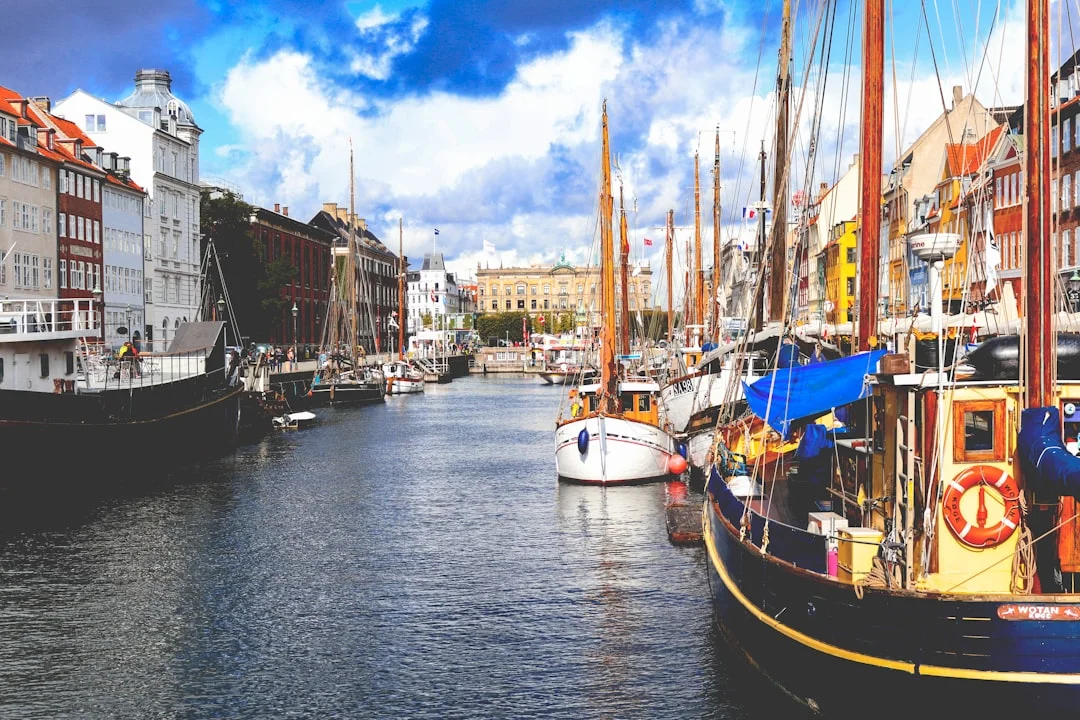
Photo by Irina Grotkjaer on Unsplash
Season: May through October, with July–August being peak Meltemi season. June and September are the sweet spot — warm, less crowded, more moderate winds.
Croatia — Europe's Marina Capital
Croatia has invested more in sailing infrastructure than almost any other Mediterranean country. The result is over 60 marinas along the Dalmatian coast, most with water, power, fuel, and mechanics within walking distance. For sailors who want reliability and convenience without sacrificing beauty, Croatia is hard to beat.
The coast runs roughly 350 nm from Istria in the north to Dubrovnik in the south, with over 1,200 islands and islets creating a protected inside passage for most of the route. The Kornati archipelago — 89 mostly uninhabited islands in a national park — is the highlight. Anchor in a deserted cove, swim in water so clear you can read your anchor chain at 10 meters, and eat fresh-caught fish at one of the two konobas (family restaurants) that operate out there.
Split to Dubrovnik is the classic one-week itinerary: roughly 170 nm with stops at Hvar, Vis (the setting for Mamma Mia 2, though locals would rather you forget that), Korčula, and Mljet. The wind — a northwest Maestral — fills in most summer afternoons at 10–15 knots. Mornings are calm, which is either a blessing or a frustration depending on your relationship with the engine. Our full guide to sailing Croatia's Dalmatian coast and islands covers anchorages, marinas, and provisioning in more detail.
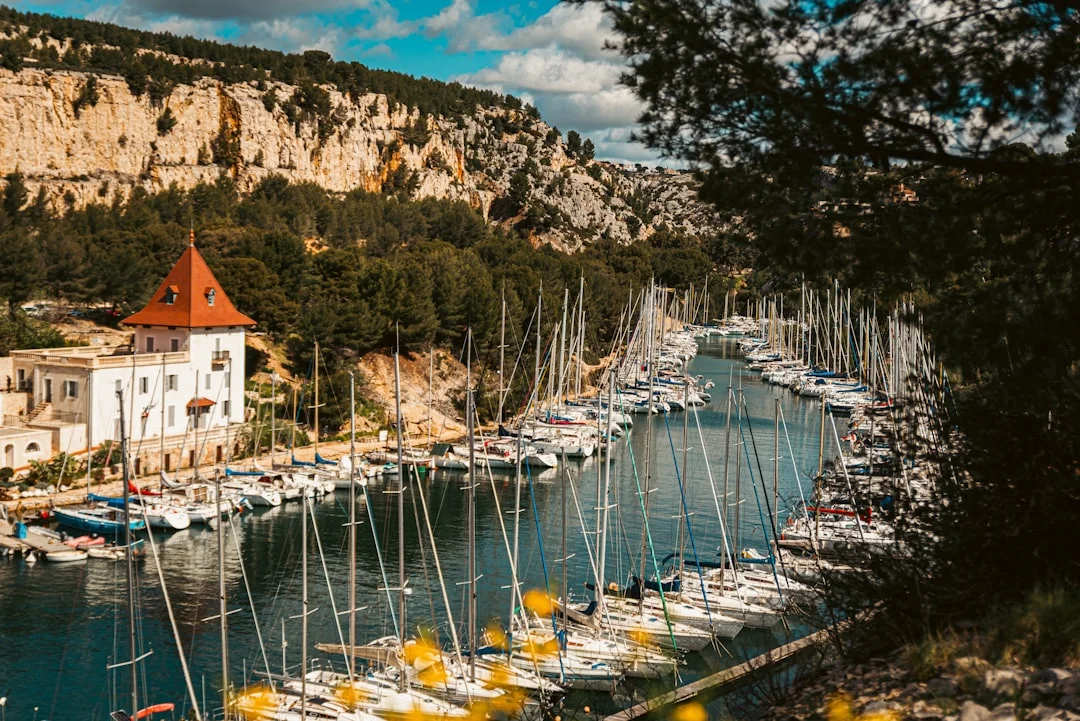
Photo by Zoe Jackson on Unsplash
Season: May to October. July and August are packed — you'll need to arrive at popular anchorages by early afternoon or risk circling. June and September are ideal.
Costs: Croatia is moderately priced by Med standards. Marina berths run €50–120/night for a 40-footer. Mooring buoys in national parks cost around €25–40/night. Fuel is comparable to Italy.
Italy — From the Amalfi Coast to Sardinia
Italy's sailing is as varied as its cooking. The Amalfi Coast is dramatic but demanding — steep cliffs, limited anchorages, heavy tourist boat traffic, and a rolly swell that makes overnight stops uncomfortable. It's better as a day-sail destination from a Naples base than as a cruising ground.
Sardinia and Corsica (the French half of the same island group) are where serious Mediterranean sailors go. Sardinia's Costa Smeralda is famous for superyachts, but the rest of the island — particularly the southwest coast around Carloforte and the Maddalena Archipelago in the northeast — offers excellent cruising without the celebrity price tag. The water clarity rivals the Caribbean. The Strait of Bonifacio between Sardinia and Corsica is a notorious wind funnel, but in settled weather, the passage is only 7 nm and opens up the remarkable west coast of Corsica.
Sicily deserves special mention. The Aeolian Islands — Lipari, Stromboli, Vulcano, Salina — are volcanic, otherworldly, and only 30–50 nm north of Milazzo on Sicily's north coast. Stromboli erupts every few minutes, visibly, and anchoring off its black sand beach at night to watch the fireworks is one of sailing's great experiences.
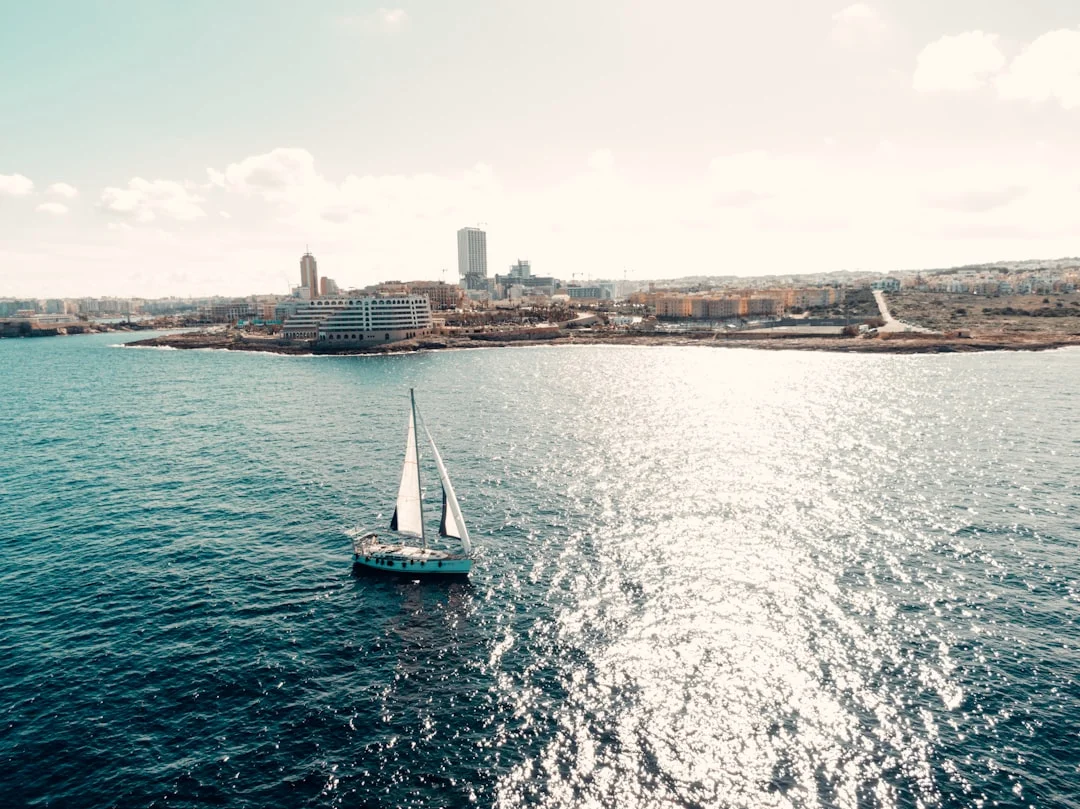
Photo by Nejc Soklič on Unsplash
Season: May to October. The Tyrrhenian Sea is generally calmer than the Aegean, with lighter summer winds. Watch for the Scirocco — a hot southerly that can blow for days and bring Saharan dust.
France — The Côte d'Azur and Corsica
The French Riviera is more motorboat than sailboat territory — crowded anchorages, expensive marinas, and light winds in summer. But it's undeniably beautiful, and the port towns — Antibes, Saint-Tropez, Cannes — are worth a visit if only for the people-watching.
The real sailing in France is elsewhere. Corsica's west coast — from Ajaccio south to Bonifacio — has dramatic red granite cliffs, transparent water, and anchorages like Girolata that are only accessible by sea. Brittany in the north is tidal sailing at its most challenging: ranges up to 12 meters, fierce currents, and a rocky coast that has earned its reputation. But the rewards are extraordinary — the Gulf of Morbihan, the Iles de Glénan, and the medieval walled port of Saint-Malo.
The Canal du Midi offers a completely different experience: a 150-mile inland waterway from the Atlantic to the Mediterranean, lined with plane trees and passing through the vineyards of Languedoc. It's narrowboat territory, not sailing, but it's Europe at its most civilized.
Season: Mediterranean coast: May to October. Brittany and Atlantic coast: June to September (and bring foul-weather gear even then).
Spain — The Balearics and Beyond
The Balearic Islands — Mallorca, Menorca, Ibiza, and Formentera — are Spain's premier sailing ground. Mallorca alone has 40+ marinas and a coastline that ranges from the towering cliffs of the Serra de Tramuntana to the calm, sandy bays of the south coast. Formentera's Ses Illetes beach, reachable only by boat, has water that looks photoshopped.
Menorca is the quieter alternative — fewer marinas, more anchorages, and the beautiful natural harbor of Maó, one of the largest in the Mediterranean at 5 km long. The passage from Mallorca to Menorca is roughly 35 nm and typically takes 6–8 hours.
On the mainland, the Galician Rias in Spain's northwest corner are a hidden gem. These deep, fjord-like inlets on the Atlantic coast offer sheltered sailing, exceptional seafood (Galicia produces most of Spain's mussels and oysters), and a fraction of the crowds found in the Med. The downside: rain, Atlantic swell, and water temperatures that require a wetsuit.
Season: Balearics: April to October. Galicia: June to September. The Balearics get crowded in August — Ibiza especially.
Turkey — Europe's Best-Value Sailing
Turkey's Turquoise Coast — from Bodrum to Antalya — may offer the best value-for-money sailing in all of Europe. Charter prices are significantly lower than Greece or Croatia, the coastline is spectacular, and the infrastructure has improved enormously. Marinas at Bodrum, Marmaris, Göcek, and Fethiye are modern and well-equipped.
The sailing itself is superb. The Lycian coast between Fethiye and Kaş is dotted with ancient ruins accessible only from the water — you can anchor off a sunken city at Kekova, dinghy ashore to a Roman amphitheater at Patara, or swim in the blue lagoon at Ölüdeniz. Distances between anchorages average 10–20 nm, and the prevailing westerly wind cooperates with the typical east-to-west itinerary.
The gulet tradition — wooden motor-sailers available for crewed charter — is uniquely Turkish and offers an alternative to bareboat sailing. A week on a gulet with a crew of three or four, all meals included, remains surprisingly affordable compared to equivalent crewed charters in the Western Med.
Use Breezada's sea distance calculator to plot distances between Turkish ports and Greek islands — the two countries' coastlines are often less than 10 nm apart, making cross-border itineraries easy.
Season: May to October, with June and September being optimal. Turkish summers are hot — 35°C+ is common — but the sea breeze makes it manageable on the water.
Northern Europe — Scandinavia, the Baltic, and the UK
Northern European sailing is a different discipline entirely. Tides, cold water, variable weather, and long summer days create an experience that Mediterranean sailors find either exhilarating or miserable.
Sweden's west coast and the Stockholm archipelago — over 30,000 islands — offer some of the most beautiful cruising on the planet. The right of public access (allemansrätten) means you can anchor almost anywhere and go ashore freely. The catch: the season is short (June to August), the water is cold, and navigation through the rock-strewn skerries demands attention.
Norway's fjords need no introduction. Sailing into Geirangerfjord or Sognefjord with 1,000-meter cliffs on either side is humbling in a way that the Mediterranean never is. The Gulf Stream keeps the coast surprisingly mild, but this is serious sailing — proper ground tackle, an engine you trust, and weather awareness are non-negotiable.
The UK deserves a mention, particularly the Solent (Britain's sailing heartland between the Isle of Wight and the mainland), Scotland's west coast (remote, dramatic, midges), and the Channel Islands (tidal gates, French food, strong currents). British sailing is character-building in the best sense — it teaches skills that make the Med feel like a bathtub.
Season: June to August for Scandinavia and Scotland. May to September for the Solent and Channel Islands.
Comparing European Sailing Regions at a Glance
| Region | Best For | Wind | Season | Charter Cost (40ft/week) |
|---|---|---|---|---|
| Greece (Ionian) | Beginners, families | Light | May–Oct | €2,500–4,500 |
| Greece (Cyclades) | Experienced sailors | Strong (Meltemi) | Jun–Sep | €3,000–5,500 |
| Croatia | Marina comfort, island hopping | Moderate | May–Oct | €2,800–5,000 |
| Italy (Sardinia) | Water clarity, remote anchorages | Light–moderate | May–Oct | €3,500–6,000 |
| France (Corsica) | Dramatic coastline | Variable | Jun–Sep | €3,500–6,500 |
| Spain (Balearics) | Beaches, nightlife | Light–moderate | Apr–Oct | €3,000–5,500 |
| Turkey | Value, history, gulets | Moderate | May–Oct | €1,800–3,500 |
| Sweden | Archipelago sailing | Light | Jun–Aug | €2,500–4,000 |
| UK (Solent) | Tidal sailing, racing | Variable | May–Sep | €2,800–4,500 |
Planning Your European Sailing Trip
Certifications matter. Most Mediterranean charter companies require at least an ICC (International Certificate of Competence) or equivalent national license. Some accept the ASA 104 or RYA Day Skipper. Check with your charter company well in advance — showing up without the right paperwork is an expensive mistake. For a breakdown of what's accepted where, see our sailing certifications guide.
Book early for peak season. Croatia, Greece, and the Balearics in July–August sell out 6–12 months ahead. Shoulder season (May–June, September–October) offers lower prices, fewer crowds, and often better sailing conditions.
Budget beyond the charter fee. Fuel, provisioning, marina fees, port taxes, and end-cleaning charges add up. In Croatia or Greece, expect an additional €800–1,500/week on top of the bareboat charter cost. In France or Italy, budget more.
Check distances before you commit. It's easy to overestimate what you can cover in a week. Use Breezada's distance calculator to verify nautical miles between your planned stops — a 30-nm day sail at 6 knots takes 5 hours, which is plenty when you factor in anchoring, swimming, provisioning, and the inevitable late start.
Frequently Asked Questions
What is the best European country for beginner sailors?
Greece's Ionian Islands are the top choice. The winds are light and predictable (5–15 knots thermal breezes), the distances between islands are short (10–20 nm), anchorages are well-sheltered, and the charter infrastructure is mature. Croatia is a close second, with excellent marina facilities and a protected inside passage along most of the coast.
When is the best time of year to sail in Europe?
The Mediterranean season runs from May through October, with June and September offering the best balance of warm weather, manageable winds, and fewer crowds. July and August are hottest and busiest. Northern Europe (Scandinavia, UK, Brittany) has a shorter window — June through August — and requires more weather flexibility and heavier clothing.
Do I need a sailing license to charter a boat in Europe?
In most European countries, yes. The International Certificate of Competence (ICC) is the most widely accepted credential. Greece, Croatia, Italy, Spain, and Turkey all require some form of qualification. France requires a French license or ICC for boats over 6 HP. The UK is one of the few countries with no mandatory licensing, but charter companies still want proof of competence. An RYA Day Skipper or ASA 104 is usually sufficient for bareboat charters.
How much does it cost to charter a sailboat in Europe?
A 40-foot bareboat monohull in the Mediterranean typically costs €2,000–5,500 per week depending on the country, season, and boat age. Turkey is the most affordable at €1,800–3,500/week. France and Italy are the most expensive at €3,500–6,500/week. Add €800–1,500/week for fuel, marinas, provisioning, and end-cleaning. Crewed charters cost roughly double the bareboat rate.
What are the windiest sailing areas in Europe?
The Greek Cyclades during Meltemi season (July–August) regularly see 25–35 knots from the north. The Strait of Bonifacio between Sardinia and Corsica funnels wind to similar strengths. The Mistral in the Gulf of Lion (southern France) can reach gale force. In northern Europe, the English Channel and Scotland's west coast are reliably windy. For calmer conditions, stick to the Ionian, Croatia's Dalmatian coast, or the Balearics.
Can I sail between European countries on a charter boat?
Many charter companies allow one-way or international itineraries, but it depends on the company and insurance coverage. Greece-to-Turkey crossings are common from the Dodecanese islands. Sardinia-to-Corsica (Italy-to-France) is a quick hop. Croatia, Montenegro, and Albania can often be combined. Always confirm with your charter company — international drop-off fees and insurance restrictions may apply.
About the Author
Related Articles
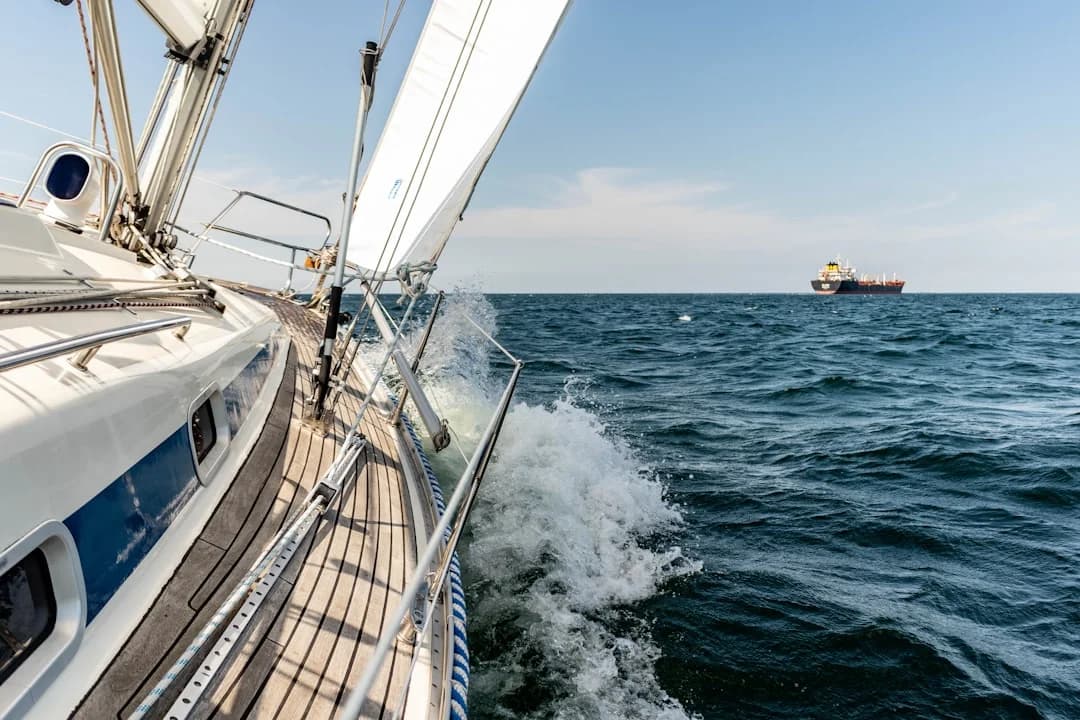
Amalfi Coast vs French Riviera Sailing Guide (Costs & Routes)
Compare Amalfi Coast vs French Riviera sailing—costs, crowds, mooring rules, best months, and 7-day routes. Choose your coast and plan now.
By Breezada Team
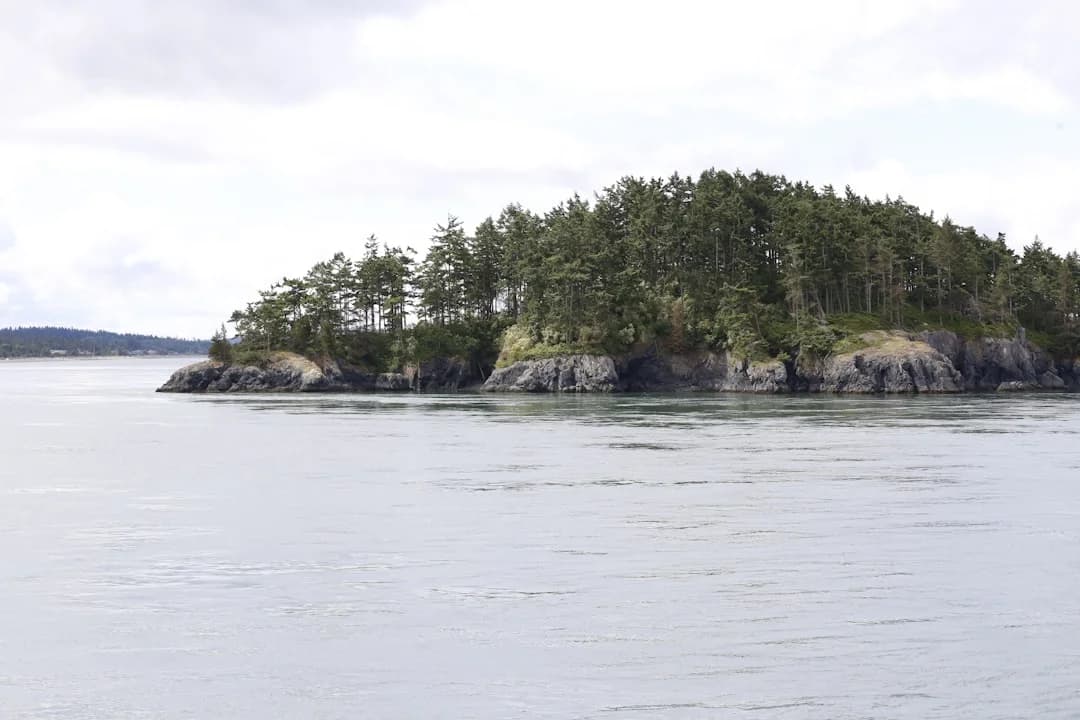
Puget Sound Cruising Guide to Gulf Islands Routes
Plan routes, anchorages, and weather windows with this Puget Sound cruising guide for the Gulf Islands & San Juans. Read now and start plotting.
By Breezada Team
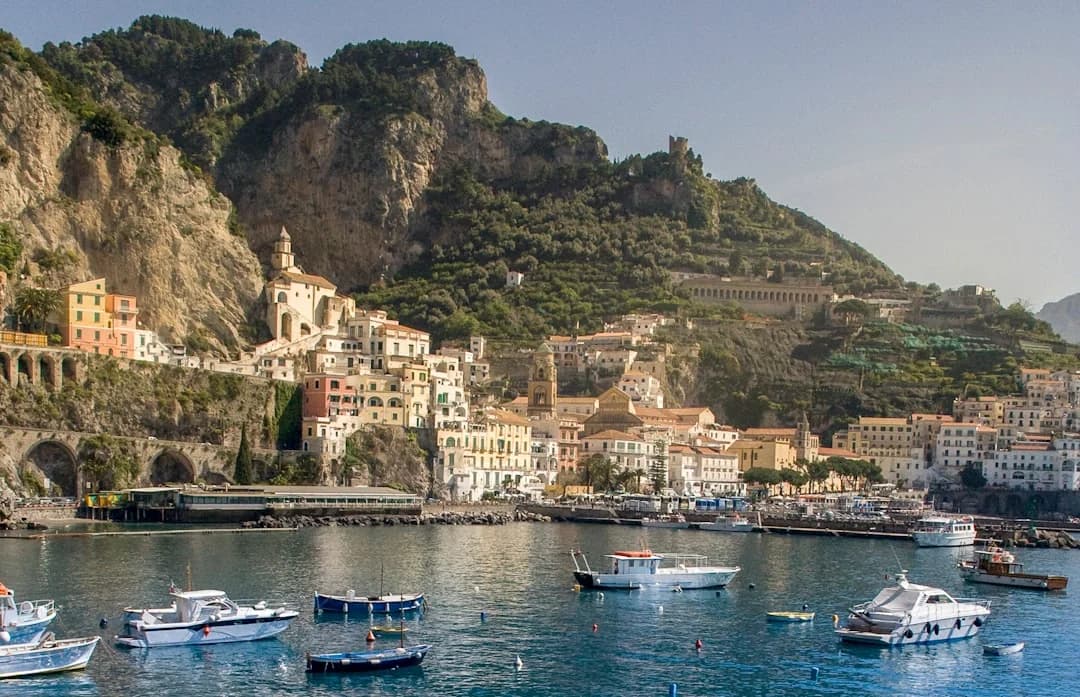
Sailing Amalfi Coast Guide: Ports, Anchorages & Rules
Sailing Amalfi Coast guide to Capri, Positano & Amalfi: best ports, anchorages, fees, VHF and rules. Plan your route—read now.
By Breezada Team
Dry Tortugas Sailing: Routes, Anchoring & Permits
Plan Dry Tortugas sailing from Key West with routes, weather windows, anchoring/moorings, and permits. Read the guide and plan your trip.
By Breezada Team