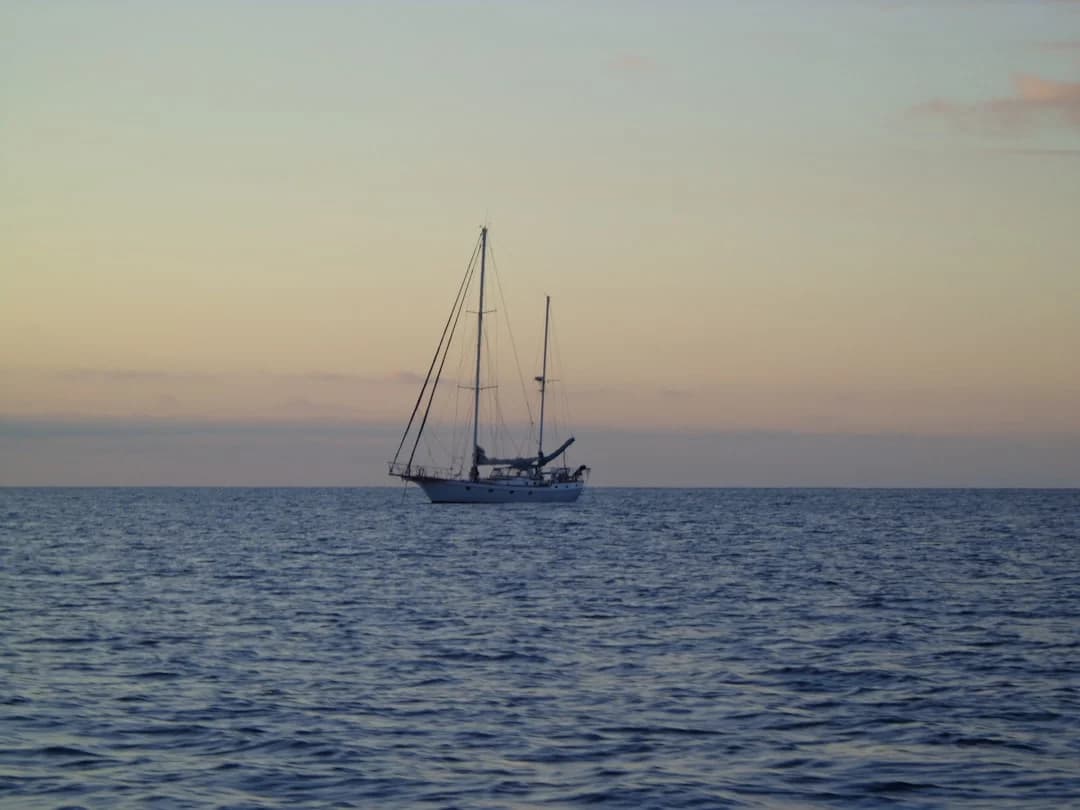
Crossing the Pacific by sailboat is the longest sustained ocean passage most cruisers ever undertake — roughly 8,000 nautical miles from Panama to New Zealand if you take the classic milk-run route, with single open-water legs of 3,000 nm or more. The trip is doable in a single sailing season, but only if you leave on time, pick the right route for your departure point, and respect the cyclone calendar that governs both hemispheres.
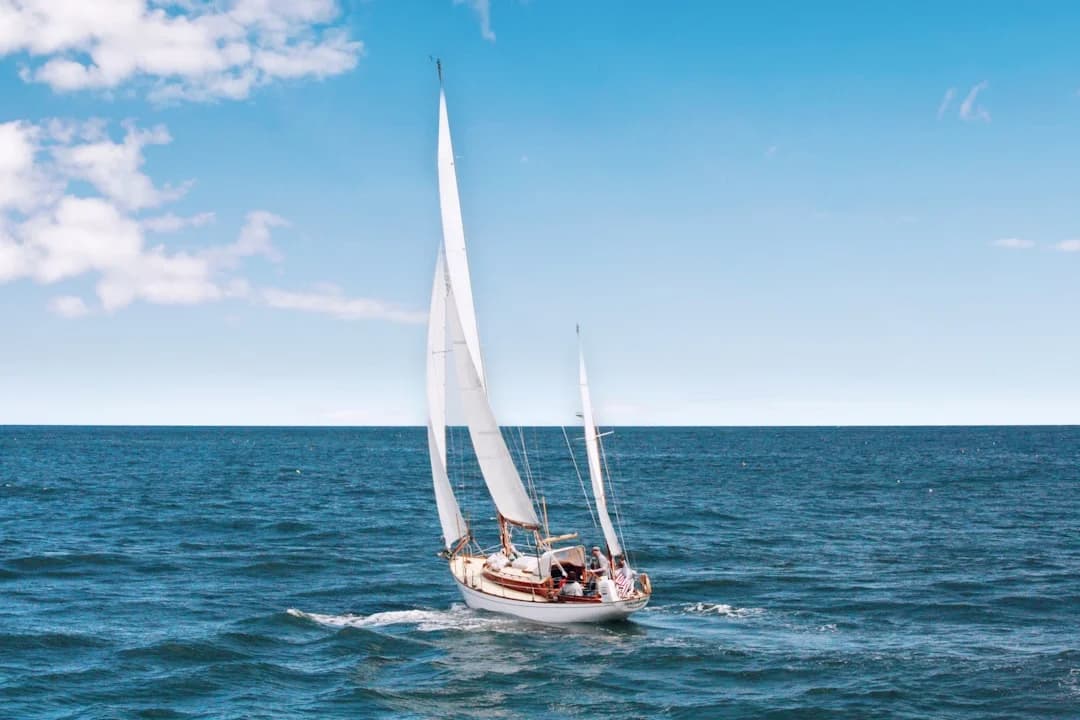
Photo by Concetta Huffa on Unsplash
This guide walks through the main Pacific crossing routes, the seasonal windows that make each one workable, the boat and gear you actually need, and the realistic costs of a season afloat. Numbers are based on what cruisers in the Pacific Puddle Jump and ARC Pacific fleets are actually doing — not what brochures say.
The Three Main Pacific Crossing Routes
There is no single Pacific crossing. There are three established routes, each tied to a hemisphere and a season:
| Route | Departure | Distance | Best Window | Typical Length |
|---|---|---|---|---|
| Coconut Milk Run (Panama → Polynesia → NZ/Aus) | Panama or Galapagos | ~8,000 nm | Mar–Nov | 6–8 months |
| Pacific Northwest to Hawaii | Oregon, Washington, BC | ~2,300–2,700 nm | Jun–Aug | 18–28 days |
| California to Hawaii | San Francisco / SoCal | ~2,250–2,500 nm | Jun–Aug | 14–22 days |
The Coconut Milk Run is the dominant route — between 200 and 300 boats join the Pacific Puddle Jump rally each spring. The northern routes are mostly North American boats heading to Hawaii or staging for a longer Pacific tour. South Africa and the Indian Ocean feed a fourth, smaller stream of boats arriving in Australia from the west, but that is technically a different ocean and a different rally (the World ARC).
If you're plotting these legs in advance, use Breezada's sea distance calculator to check the exact nautical miles between any two ports — the great-circle distance from Panama to Nuku Hiva, for example, is meaningfully shorter than the rhumb line you'd plot on a flat chart.
The Coconut Milk Run, Leg by Leg
This is the bread-and-butter Pacific crossing. The name comes from the easy trade-wind sailing for most of the trip — broad reaches in 15–20 knots of southeast trades, with following seas and palm trees waiting at every island. Don't let the name fool you, though. The first leg out of the Galapagos is the longest non-stop ocean passage in mainstream cruising, and the last leg into New Zealand is one of the more weather-sensitive bits of water cruisers face.
Leg 1: Panama to the Galapagos (~900 nm)
Most boats stop in the Galapagos for fuel, fresh produce, and a chance to see Darwin's islands. The leg takes 6–10 days and includes the dreaded ITCZ (Inter-Tropical Convergence Zone) — a band of squalls, calms, and unstable wind that sits between the trade-wind belts. Plan to motor through it. Diesel range matters here. Galapagos transit permits run around $1,500–2,500 depending on the agent, the islands you visit, and current park fees.
Leg 2: Galapagos to Marquesas (~3,000 nm)
This is the big one — the longest open-ocean leg in routine cruising. Most boats take 18–24 days, sailing southwest to pick up the southeast trades, then west under reefed main and genoa or downwind with twin headsails. There are no stopovers, no rescue services within range for most of it, and no satellite phone coverage that doesn't cost you per minute.
Boats arrive in Hiva Oa or Nuku Hiva in the Marquesas group, drop the hook in front of dramatic volcanic cliffs, and find the rest of the fleet already swapping stories about the squalls.
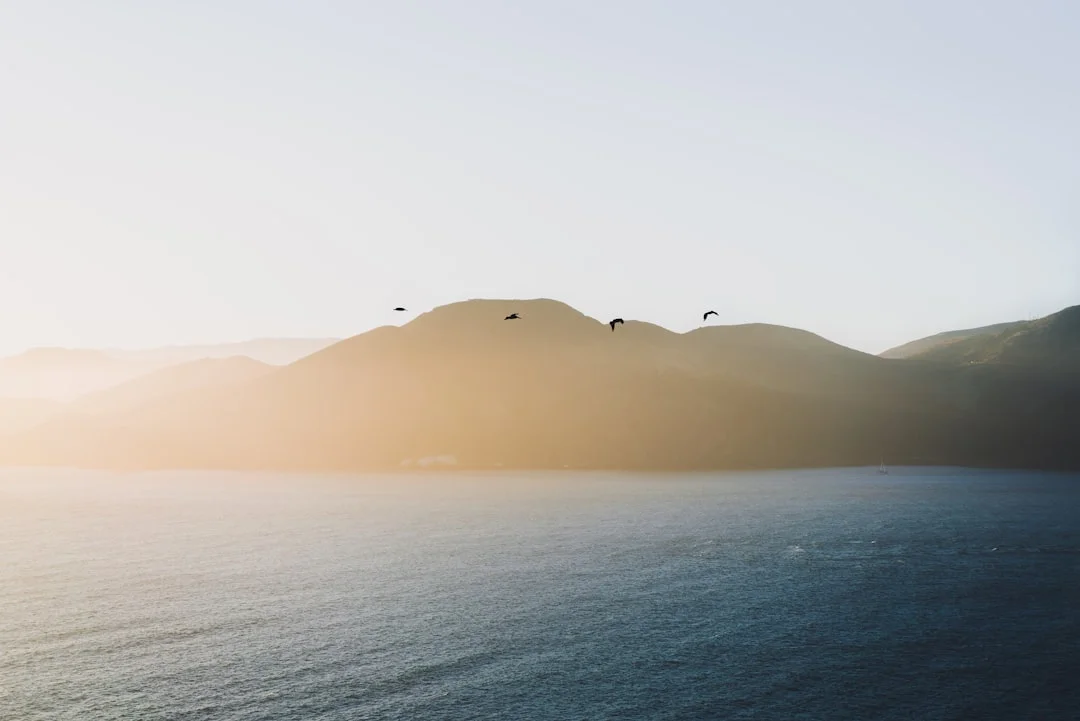
Photo by Zach Jiroun on Unsplash
Leg 3: Marquesas to Tuamotus to Society Islands (~800 nm total)
Now the trip becomes island-hopping. The Tuamotus are coral atolls — flat, narrow, ringed with reef passes that only open at slack water. Pass timing is calculated from tide tables and an experienced cruiser will tell you to never enter against the ebb. Bora Bora, Moorea, and Tahiti follow. This is what you came for. Most cruisers spend two to three months working through French Polynesia.
Leg 4: Society Islands to Tonga / Fiji (~1,200 nm)
A relatively short leg by Pacific standards. Cook Islands and Niue are common stopovers. Niue has the world's only mooring field for cruisers carved into a coral cliff — there's no anchorage that holds.
Leg 5: Fiji to New Zealand or Australia (~1,100–1,400 nm)
The leg every Pacific cruiser worries about. You're sailing south out of the trades into the variable mid-latitude westerlies, and timing matters. Wait too long and you're caught in a Tasman Sea low. Leave too early and you cross during cyclone season. Most boats target a departure in late October or early November, watch GRIB forecasts daily, and time the leg to a confirmed weather window.
The Northern Routes: Pacific Coast to Hawaii
Boats based in California, Oregon, or British Columbia have a different problem. Heading south to join the milk run means a brutal upwind beat down the US coast in the prevailing northwesterlies, then through the ITCZ. Most skip that and cross directly to Hawaii instead, then either stay there, return north via the Pacific High, or continue south into Polynesia.
The classic departure is mid-June through July:
- Hurricane season is well underway in the eastern Pacific by late summer
- The Pacific High is established and reliable
- Trade winds are stronger than in spring
San Francisco to Hilo runs around 2,250 nm, typically 14–18 days for a 40-foot cruiser. Oregon to Hilo is closer to 2,700 nm — see our dedicated sailing from Oregon to Hawaii: Pacific crossing guide for routing through the Pacific High and the gear list specific to Pacific Northwest departures.
The return trip — Hawaii back to the West Coast — is almost twice as long because you have to sail north until you're above the Pacific High, then east in the westerlies, then south to your destination. Plan for 3,000–3,500 nm and 25–35 days. Many cruisers ship the boat back rather than do this leg.
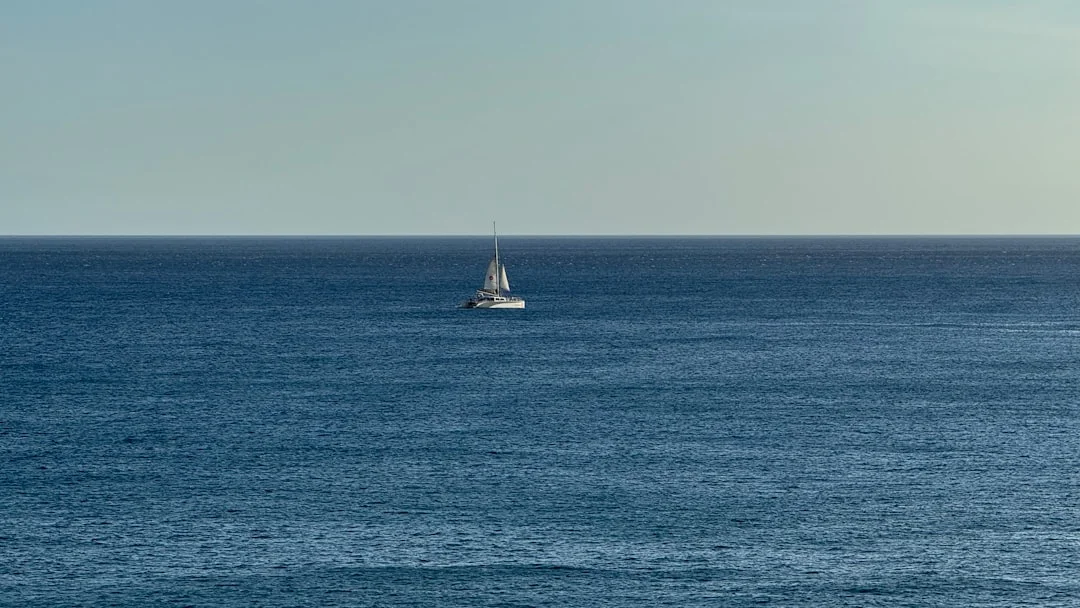
Photo by Cody Baird on Unsplash
Cyclone Calendar and Seasonal Timing
The Pacific has two cyclone seasons that govern everything:
| Region | Cyclone Season | Safe Window |
|---|---|---|
| South Pacific (south of equator) | November–April | May–October |
| North Pacific (Hawaii, Mexico) | June–November | December–May |
For the Coconut Milk Run, this means:
- Leave Panama or Galapagos: March–April
- In French Polynesia: May–August
- Reach Tonga/Fiji: September
- Land in NZ or Australia: by November 15
If you're still in Fiji in mid-November, insurance companies will refuse coverage and your boat is at risk. The "cyclone safe" zones are New Zealand (south of about 35°S), eastern Australia south of Brisbane, and a handful of designated holes — Vuda Marina in Fiji has cyclone pits where boats are tied down in earth pits, but it's a last resort.
The northern routes are simpler: leave for Hawaii in June or July, return (if you're going to) in August–September before the eastern Pacific hurricane season peaks.
Boats and Gear That Actually Work
Pacific crossings are not a place to test new equipment. The fleet that arrives in the Marquesas every May runs heavily toward proven, simple boats — typically 38 to 50 feet, monohulls or catamarans, with conservative rigs and serious offshore equipment.
What you actually need:
- Wind vane self-steering or a redundant autopilot with a backup. Hand-steering 3,000 nm is not realistic for a couple
- Water capacity of at least 100 gallons plus a working watermaker. Plan as if the watermaker will fail
- Diesel range of 800+ nm under power for the ITCZ and calms
- Storm sails — a trysail and storm jib that you've actually deployed in practice
- A reliable AIS transceiver, not just a receiver — commercial traffic in the Pacific is real
- Iridium GO! or Starlink Mini for weather files and emergency comms. SSB is being phased out as the primary cruiser net but still works
- GRIB-capable software (PredictWind, Squid, OpenCPN with weather plugin) and the ability to download offshore
- Spare parts kit sized for self-sufficiency — fuel filters, impellers, raw water pump rebuild kit, alternator, starter
If you're choosing a boat for the trip, calculate the distance of your specific intended legs and divide by your honest average passage speed (typically 4–5 knots for a 40-foot cruising monohull, including light-air days). That tells you your range and your watermaker/fuel requirements.
For sail handling on long downwind passages, the choice between roller furling and hank-on headsails matters more than usual — see our comparison of roller furling versus hank-on sails for the trade-offs at sea.
Photo by Luke Bender on Unsplash
Crew, Watch Schedules, and Daily Life at Sea
Most Pacific crossing boats run with 2 to 4 crew. A couple alone is workable on a well-set-up cruising boat with reliable self-steering — many boats do the milk run two-up — but watch fatigue is the limiting factor on a 21-day passage. Adding a third crew makes the rotation noticeably easier; adding a fourth is mostly a comfort question.
A common watch system for two:
- 3-hour watches at night (8 PM – 8 AM), one person on, one off
- Loose schedule during daylight, both up for meals and sail changes
- Strict rule: harness clipped on at night and any time on deck alone
For three or four crew, 4-hour rotations work well, with a "dog watch" split to rotate the unpopular slot.
Daily life settles into rhythm fast. Coffee at sunrise, GRIB download, sail trim check, breakfast. Reading, fishing, boat projects mid-day. Sundowner just after sunset — the green flash is real and you'll see it eventually. Dinner. Then someone takes the first night watch and the rest sleep. Days blur together. Around day 12 most crews hit the wall psychologically; by day 16 they've adjusted and the rest of the trip flies. Someone opens the rum.
Realistic Cost of a Pacific Season
For a 40-foot monohull with two crew doing the full Coconut Milk Run, plan on $25,000–$50,000 for the season, not counting major boat purchases or upgrades. The breakdown:
| Category | Typical Cost |
|---|---|
| Galapagos transit & permits | $1,500–2,500 |
| French Polynesia (visa, fees, food, fuel) | $8,000–15,000 |
| Tonga, Fiji, Niue, Cook Islands | $4,000–7,000 |
| New Zealand arrival (haul-out, customs) | $3,000–6,000 |
| Insurance (cruising-specific) | $3,000–6,000 |
| Sat comms (Iridium GO or Starlink) | $1,500–2,500 |
| Spares, repairs, unexpected | $5,000–10,000 |
French Polynesia is the most expensive single chunk. Restaurants and marinas are eye-watering. Most cruisers anchor for free and provision at small local stores or the Sunday morning market in Papeete. Diesel runs around $2 per liter in the islands, which adds up fast over a season.
Communication and Weather Routing
Modern Pacific crossings are not done blind. The standard tool stack:
- PredictWind for routing — the Offshore app downloads compressed GRIBs over satellite and shows you optimal departure timing for a chosen passage
- Iridium GO! ($150/mo unlimited data plan) or Starlink Mini ($150/mo) for offshore connectivity
- OpenCPN or Navionics Boating as the primary chart plotter — paper charts of the South Pacific are now hard to find and outdated
- InReach or Iridium handheld as a backup, with preset SOS
Many cruisers also subscribe to a routing service for the Tonga-to-NZ leg specifically — names like Bob McDavitt, MetBob, or PredictWind's professional routing run $200–500 per passage and have prevented more boats from being caught in Tasman Sea lows than anything else.
For navigation, having a backup celestial skill is still worth practicing — see our guide to sextant navigation if you want to know what to do when all the electronics fail at 12°S.
Photo by Srikanth Peetha on Unsplash
Visas, Clearance, and Permits
Pacific clearance is straightforward but paperwork-heavy. The big ones:
- French Polynesia: EU citizens stay 90 days; non-EU need a long-stay visa (apply before leaving) for the full 90+ day cruising window. Bond required for some nationalities
- Cook Islands: 31 days on arrival, extendable
- Niue: 30 days, mooring required
- Tonga: 30 days on arrival
- Fiji: 4-month cruising permit, fees around FJD $200
- New Zealand: Strict biosecurity. Hull must be clean, no fresh fruit/veg, no honey, no raw wood. Inspections at Opua are thorough
- Australia: Even stricter than NZ. Hull cleanliness verified by diver if necessary, all timber removed, antifouling certificate may be requested
If the Pacific is one leg of a longer plan, our sailing around the world: routes, costs and timeline guide covers how the Pacific fits into a 2-to-3 year circumnavigation, including the Indian Ocean leg that comes after.
Frequently Asked Questions
How long does it take to sail across the Pacific?
A full Coconut Milk Run from Panama to New Zealand or Australia takes 6 to 8 months of cruising, including stops. Pure passage time on the longest leg (Galapagos to Marquesas, ~3,000 nm) is 18 to 24 days for a typical 40-foot monohull. Northern routes from California or the Pacific Northwest to Hawaii are much shorter — 14 to 28 days for the single crossing.
What size boat do I need to cross the Pacific?
The fleet sweet spot is 38 to 50 feet for monohulls and 40 to 50 feet for catamarans. Smaller boats (30–37 ft) cross the Pacific every year — Lin and Larry Pardey did it in a 24-footer — but they suffer in light air, carry less water, and have less space for spares and provisions. Larger than 50 feet starts requiring more crew and adds significantly to marina, transit, and insurance costs.
When is the best time to start a Pacific crossing?
For the Coconut Milk Run, depart Panama or the Galapagos in March or April. This puts you in French Polynesia for the dry, settled winter season (May–August), in Fiji or Tonga by September, and arriving in New Zealand or Australia before the South Pacific cyclone season starts in November. For California or Pacific Northwest to Hawaii, leave in June or July when the Pacific High is established and hurricane risk is still low.
Can two people cross the Pacific alone?
Yes — many couples do the Coconut Milk Run two-up every year. The key requirements are reliable self-steering (windvane plus autopilot redundancy), a watch system that protects sleep, and a boat set up for short-handed sail changes. The 21-day Galapagos-to-Marquesas leg is the test — if you can do that two-up without burning out, the rest of the season is manageable.
How much does it cost to cross the Pacific by sailboat?
Budget $25,000 to $50,000 for the full Panama-to-New-Zealand season, including permits, food, fuel, insurance, sat comms, and routine repairs. French Polynesia is the most expensive single segment — easily $10,000 over three months if you spend any time in marinas or restaurants. The northern Hawaii route is much cheaper, often $5,000 to $10,000 for the round-trip including marina time in Hilo or Honolulu.
Is crossing the Pacific dangerous?
Statistically, modern Pacific crossings are safer than driving the same number of miles in a car — the Pacific Puddle Jump fleet of 200–300 boats per year typically arrives intact, with the most common "incidents" being broken autopilots, torn sails, and rigging failures rather than lost boats. The real risks are timing-related: leaving for New Zealand outside the safe window, ignoring cyclone forecasts in the South Pacific, or attempting reef passes in the Tuamotus against the ebb. Boats that respect the calendar and the weather very rarely have problems.
Do I need offshore experience to cross the Pacific?
You should have at least one previous offshore passage of 3+ days and ideally one ocean crossing (Atlantic, or a Mexico-to-Marquesas if you skip the milk-run) before tackling the full Pacific. The skills you need — heaving-to, reefing in 30 knots, downwind sail handling, GRIB interpretation, MOB recovery — are learnable, but learning them on a 21-day leg with no help available is a hard way to do it. Most successful Pacific cruisers have 5,000+ offshore miles before they cast off from Panama.
About the Author
Related Articles

DSC Distress Call Guide: GMDSS, AIS, EPIRB & PLB
Learn the correct DSC distress call sequence, MMSI setup, and when to use AIS, EPIRB or PLB. Get it right—read the guide and drill it.
By Breezada Team
Sailing in Strong Currents: Tides, Tools & Examples
Learn sailing in strong currents with tide tools, rules of thumb, and real examples. Plan safer passages—read the guide and use the checklists.
By Breezada Team
NAVTEX for Sailing: SafetyNET Offshore Weather Guide
Learn NAVTEX & SafetyNET (Inmarsat-C) setup, filters, and what MSI to trust offshore. Get clearer forecasts—read the guide now.
By Breezada Team
Sailboat Hull Speed: Calculate It and Exceed It
Learn sailboat hull speed, the 1.34×√LWL formula, and when boats can exceed it. Get examples and tips—read now and calculate yours.
By Breezada Team