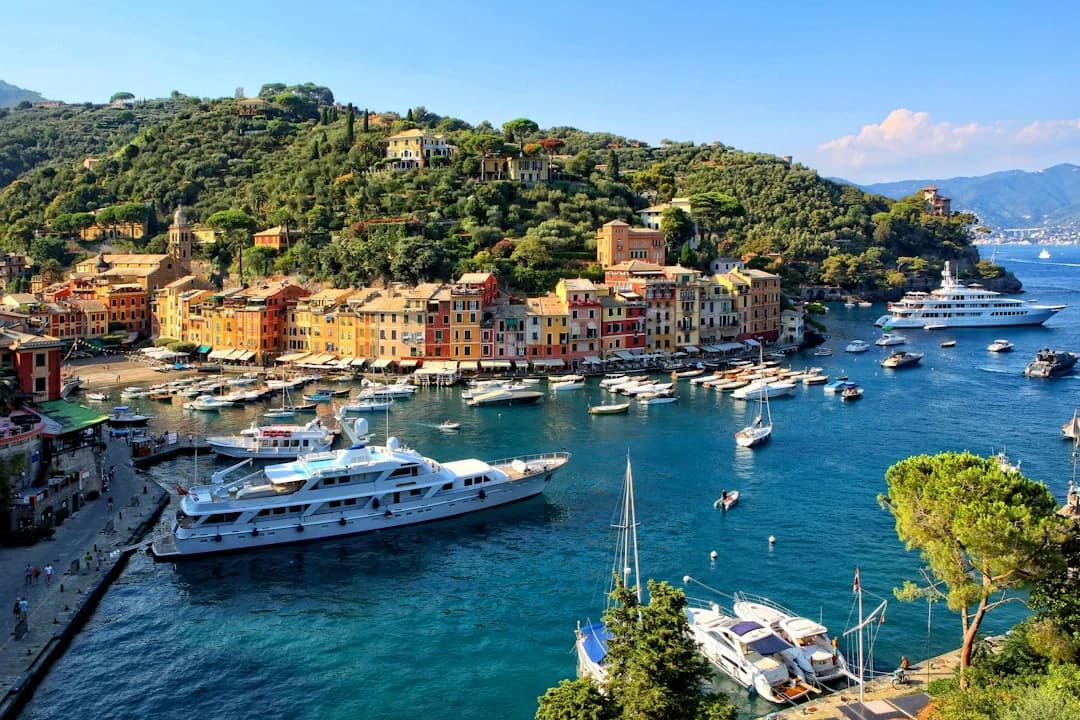
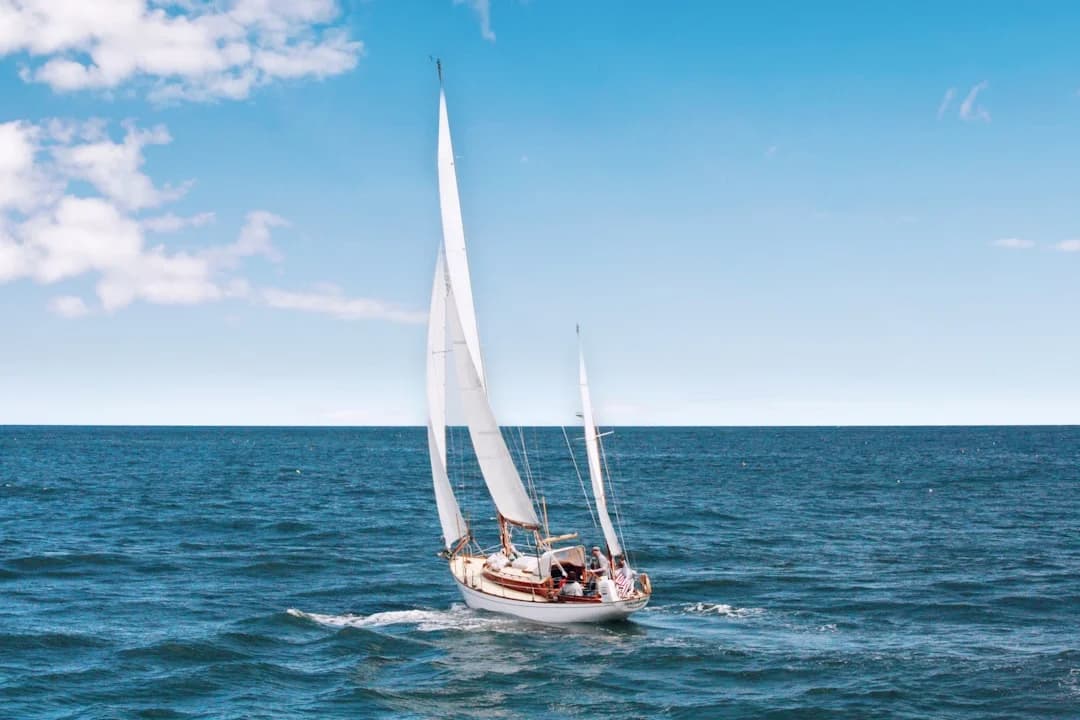
Italy has roughly 7,600 km of coastline, and the best of it — the parts that still feel untouched, dramatic, almost unreasonably beautiful — is only reachable by boat. Sailing Italy means threading between volcanic islands where the sea glows electric blue at night, anchoring beneath limestone cliffs that drop 300 meters straight into the water, and pulling into fishing harbours where the evening passeggiata is the main entertainment. Three regions stand out above the rest: Sardinia's wild east coast, the Amalfi Coast's vertical villages, and the Aeolian Islands' volcanic archipelago north of Sicily.
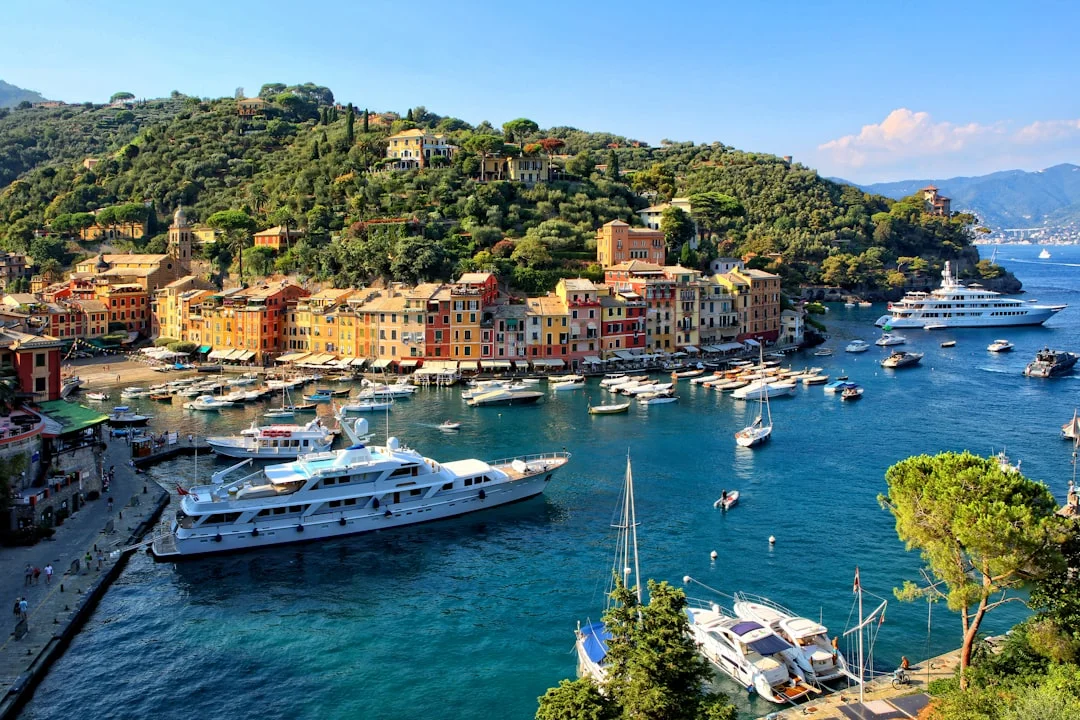
Photo by Ricardo Gomez Angel on Unsplash
Why Italy Is a World-Class Sailing Destination
The Italian peninsula and its islands sit at the crossroads of the western Mediterranean. Prevailing summer winds — the maestrale from the northwest and the scirocco from the southeast — create reliable sailing conditions from May through October. Water temperatures hover around 24–27°C in summer, making every swim stop feel like a reward you've earned.
But the real draw is variety. In a single two-week cruise, you can sail from the granite archipelago of La Maddalena to the thermal vents of Vulcano, stopping for fresh burrata in a harbour-side trattoria along the way. Italy compresses a staggering diversity of coastline, cuisine, and culture into manageable distances — most day hops are 20–40 nm, leaving plenty of time for long lunches and afternoon swims.
Charter infrastructure is mature. Bases in Portisco, Salerno, Capo d'Orlando, and a dozen other marinas offer bareboat and skippered options in every size category. If you hold an ICC or RYA Day Skipper certification, most charter companies will hand you the keys without hesitation — though if you're unsure about your qualifications, our guide to sailing certifications explains exactly what you need.
Sardinia: The Wild Card
Sardinia doesn't do things gently. Its eastern coastline — from Olbia south to Arbatax — is one of the most spectacular stretches of rock and water in the Mediterranean. The Golfo di Orosei, a 40 km arc of cliffs, sea caves, and hidden beaches, is the centrepiece.
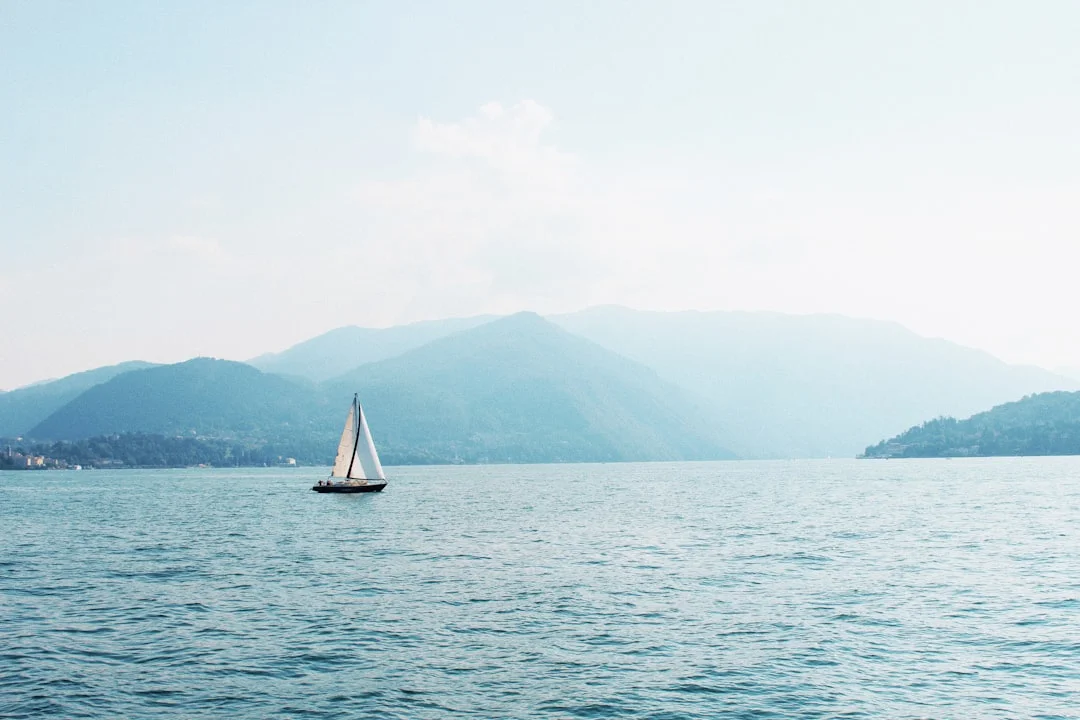
Photo by Ellena McGuinness on Unsplash
La Maddalena Archipelago
Most Sardinia charters start from Portisco or Olbia on the northeast coast, with the La Maddalena Archipelago as the obvious first waypoint. The archipelago — a national park since 1994 — consists of seven main islands and dozens of rocky islets. Cala Coticcio on Caprera is often called "Tahiti" by locals, and once you see the double cove with its powdery sand and transparent water, you'll understand why.
Anchorage here requires attention. The granite seabed means your anchor may skip before it bites, and the mistral can funnel through the channels with surprising force. Use a 30-metre scope minimum and set a snubber. In peak season (July–August), arrive before noon or you'll be rafting up.
The distance from Olbia to La Maddalena is roughly 18 nm — you can calculate the exact distance to plan your departure time around the wind window. Crews approaching from the north instead — dropping down from Corsica — take a shorter route; our Strait of Bonifacio crossing guide covers the 10 nm passage from Bonifacio into Santa Teresa Gallura, including Mistral timing and marine-park permits.
Golfo di Orosei
Heading south along the coast, the Golfo di Orosei is where Sardinia shows its teeth. Cliffs rise 400–500 metres from the waterline, cave mouths gape at sea level, and the beaches — Cala Goloritzé, Cala Mariolu, Cala Luna — rank among Europe's finest. These coves are inaccessible by road, which means the tourist boats clear out by late afternoon and you have the anchorage to yourself.
Cala Goloritzé is a UNESCO monument. Its 143-metre limestone pinnacle guards a pebble beach with water so clear that your dinghy appears to float on air. Anchoring is prohibited within the cove itself (it's a marine reserve), but you can anchor just outside and dinghy in.
A typical passage from La Maddalena to Cala Gonone — the main harbour for the Golfo di Orosei — is about 70 nm. Most crews break this into two days, stopping at Tavolara island or Porto San Paolo.
Practical Tips for Sardinia
| Factor | Detail |
|---|---|
| Best months | June and September (less crowded, good wind) |
| Charter bases | Portisco, Olbia, Cannigione |
| Typical wind | Maestrale (NW) 10–20 kt, stronger in channels |
| Fuel | Available in Olbia, La Maddalena, Cala Gonone |
| Provisioning | Stock up in Olbia — options thin out quickly |
| Watch out for | Military zones near La Maddalena (check notices to mariners) |
The Amalfi Coast: Sailing Beneath the Cliffs
The Amalfi Coast is only 50 km long, but those 50 km contain some of the most photographed scenery on the planet. Pastel-coloured houses stack up impossible hillsides, lemon groves terrace every available ledge, and the road — the famous SS163 — clings to the cliff face like a nervous cat.
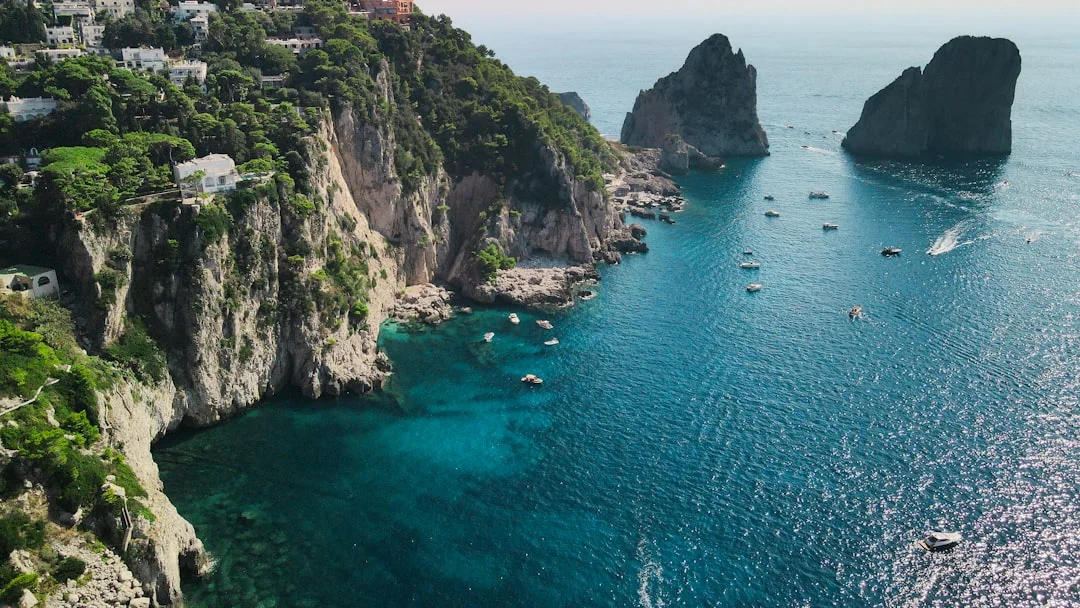
Photo by Look Up Look Down Photography on Unsplash
From the water, you see Amalfi the way it was meant to be seen. The medieval watchtowers, the hidden coves below Ravello, the emerald grotto at Conca dei Marini — all of it reads differently from a deck than from a tour bus.
The Route: Salerno to Capri
Most Amalfi charters work the coast between Salerno and Capri, a stretch of roughly 35 nm. The classic itinerary runs:
- Salerno — charter pick-up, provision at the market
- Cetara — a working fishing village famous for its anchovy colatura (fermented anchovy sauce). Anchor in the small bay and dinghy to the beach
- Amalfi — the town that gives the coast its name. Marina berths are expensive (€150–250/night in summer) but the alternative is a rolly anchorage
- Positano — anchor off the main beach. The holding is decent on sand, but watch for a southerly swell
- Li Galli islands — three small islands once owned by Rudolf Nureyev. No landing allowed, but the snorkelling is superb
- Capri — Marina Piccola for a day visit. The Blue Grotto is overrated and overpriced, but the walk to Villa Jovis is worth every step
The distance from Salerno to Capri is about 30 nm direct. You can use Breezada's sea distance calculator to plot waypoints along the coast and get accurate distances for each leg.
Amalfi Coast Conditions
The coast faces south-southwest, which means it's exposed to the libeccio (SW wind). When the forecast shows libeccio above 15 knots, the anchorages become untenable — swells wrap around the headlands and the holding deteriorates. This is when crews duck around to the north side of the Sorrento Peninsula or head to Capri's more sheltered Marina Grande.
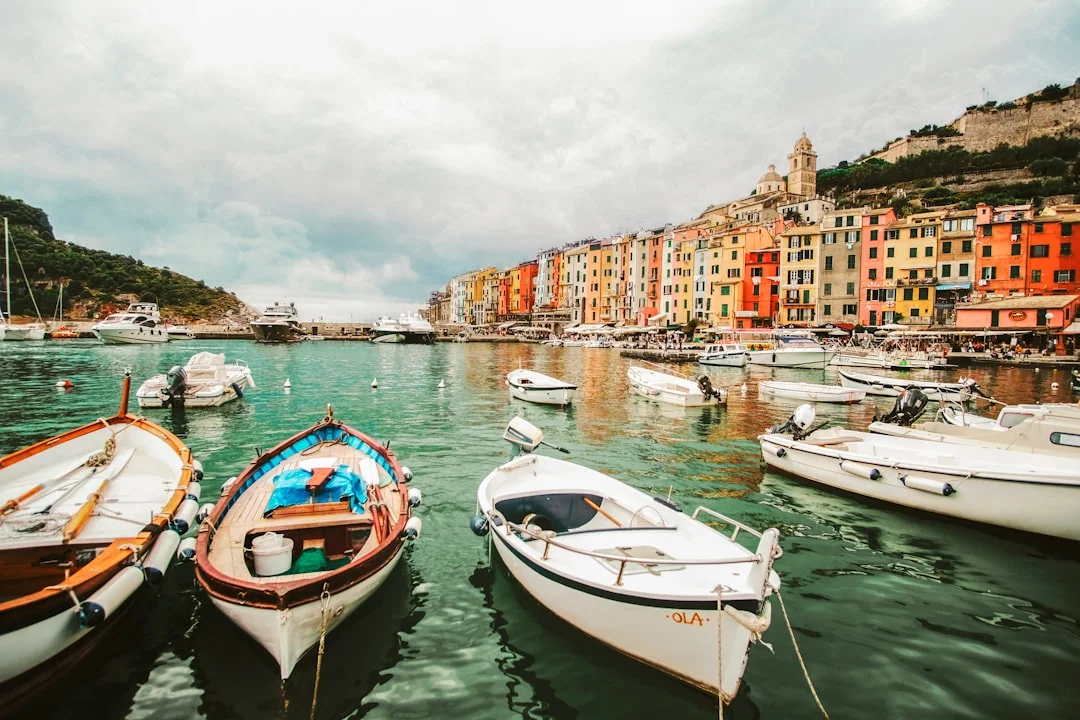
Photo by Cristina Gottardi on Unsplash
Thermal winds are the daily pattern in settled weather. A light onshore breeze builds through the morning, peaks around 12–15 knots by early afternoon, and dies at sunset. This makes for pleasant sailing but limits the window — plan to be at your next anchorage by 1600.
| Factor | Detail |
|---|---|
| Best months | May, June, September, early October |
| Charter bases | Salerno, Castellammare di Stabia, Naples |
| Typical wind | Thermal 8–15 kt (afternoon), libeccio risk |
| Marina costs | €100–300/night in peak season |
| Provisioning | Excellent in Salerno and Amalfi |
| Watch out for | Fast ferries (Naples–Capri route crosses your path) |
The Aeolian Islands: Volcanic Sailing
North of Sicily, seven volcanic islands rise from the Tyrrhenian Sea like a geological time-lapse. The Aeolian Islands — Lipari, Vulcano, Salina, Stromboli, Panarea, Filicudi, and Alicudi — offer the most dramatic sailing in Italy and possibly the entire Mediterranean.
Island-by-Island Highlights
Vulcano is typically the first stop from the Milazzo or Capo d'Orlando charter base. The island smells of sulphur — you'll notice it a mile out. The main attraction is the volcanic mud baths at Porto di Levante, where you can cake yourself in warm, grey clay and then rinse off in the thermal-heated shallows. The anchorage at Gelso on the south side is quieter and strikingly beautiful.
Lipari is the largest and most developed island, with a genuine town, good restaurants, and an archaeological museum. Marina di Pignataro offers decent berthing, but in summer you'll queue. The pumice quarries on the northeast coast have created bizarre white cliffs and a turquoise sea that photographs like it's been filtered.
Salina is the green one — lush, hilly, covered in capers and Malvasia vineyards. The anchorage at Pollara sits inside a collapsed volcanic crater open to the sea. If that sounds precarious, it is — only anchor here in settled conditions. The reward is sunset views that the film Il Postino made famous.
Stromboli is the headline act. The volcano erupts every 15–20 minutes, sending fountains of lava and rock into the night sky. The best viewing is from the sea — anchor off Ginostra on the west side and watch the Sciara del Fuoco (the lava run-off channel) glow red after dark. Keep at least 500 metres off the Sciara — volcanic debris occasionally reaches the water.
Panarea is small, car-free, and expensive. It's the St. Tropez of the Aeolian chain. The underwater fumaroles at Bottaro — where streams of volcanic gas bubble up through the seabed — make for surreal snorkelling.
Filicudi and Alicudi are the remote western pair. Filicudi has some of the best diving in the Tyrrhenian, including a submerged village. Alicudi has no roads, only donkey paths — and a population of about 100. If you want to feel genuinely far from everything, this is the place.
Aeolian Distances and Planning
The islands are compact — you can verify distances between waypoints to confirm, but most inter-island hops are 8–20 nm. A one-week itinerary comfortably covers all seven islands. A sample route:
| Day | Passage | Distance |
|---|---|---|
| 1 | Capo d'Orlando → Vulcano | ~32 nm |
| 2 | Vulcano → Lipari → Salina | ~12 nm |
| 3 | Salina → Panarea | ~13 nm |
| 4 | Panarea → Stromboli | ~12 nm |
| 5 | Stromboli → Filicudi | ~28 nm |
| 6 | Filicudi → Alicudi → Lipari | ~25 nm |
| 7 | Lipari → Capo d'Orlando | ~28 nm |
Aeolian Conditions
| Factor | Detail |
|---|---|
| Best months | June, September (July–August very crowded at Panarea) |
| Charter bases | Capo d'Orlando, Milazzo, Portorosa |
| Typical wind | Variable 5–15 kt, can accelerate in channels |
| Fuel | Lipari and Vulcano only |
| Provisioning | Lipari is the main supply stop; Stromboli has basics |
| Watch out for | Volcanic exclusion zones, strong currents near Stromboli |
Combining Regions: A Two-Week Italian Sailing Itinerary
Two weeks gives you enough time to link two of these regions. The most practical combination is the Amalfi Coast + Aeolian Islands, connected by an overnight passage from Capri to Vulcano — roughly 140 nm across the open Tyrrhenian Sea.
A Sardinia-to-Aeolian crossing is possible but involves 180+ nm of open water through the Strait of Bonifacio and down the Tyrrhenian. It's a proper offshore passage that requires weather planning and crew stamina. If you're considering a longer Mediterranean routing, our guide to sailing Turkey's Turquoise Coast shows how another popular Med destination compares.
Charter Costs and Logistics
A bareboat charter for a 10–12 metre monohull in Italy typically runs:
| Season | Weekly Rate |
|---|---|
| Low (April–May) | €1,800–3,000 |
| Mid (June, Sept) | €2,500–4,500 |
| High (July–Aug) | €4,000–7,500 |
Add €150–250/week for insurance, €30–50 for outboard fuel, and budget €50–80/person/day for provisioning and eating out. Marina fees in high season can sting — €80–250/night depending on the port and boat size. Anchoring is free almost everywhere, which is one more reason to favour the hook over the dock.
Most charter companies require the ICC (International Certificate of Competence) for bareboat rentals. Italy doesn't mandate a specific national licence for foreign recreational sailors, but the charter operator will ask for proof of competence.
Provisioning and Onboard Life
Italian provisioning is a joy. Even small harbour towns have a fishmonger, a bakery, and a fruit stand. The strategy is simple: buy local, buy daily, and cook simply. Fresh pasta, local tomatoes, olive oil, a bottle of Vermentino from Sardinia or Malvasia from Salina — you eat better on a boat in Italy than in most restaurants elsewhere.
Water can be an issue in the Aeolians during peak summer. Fill your tanks at every opportunity. Marina water is sometimes metered and charged separately.
Frequently Asked Questions
What is the best time of year for sailing Italy?
June and September offer the ideal balance — warm water (22–26°C), reliable thermal winds, fewer tourists, and lower charter rates. July and August are hot and crowded, especially around Capri and Panarea. May and October are viable but cooler, with a higher chance of unsettled weather. The shoulder months also bring lower marina fees and easier anchorage availability.
Do I need a sailing licence to charter a boat in Italy?
Italy doesn't require foreign visitors to hold an Italian boating licence for recreational sailing. However, nearly all charter companies require the ICC (International Certificate of Competence) or an equivalent national qualification such as the RYA Day Skipper or ASA 104. Some companies also ask for a documented sailing CV showing relevant offshore experience. If you're new to chartering, consider a skippered charter for your first trip.
How much does it cost to sail in Italy for a week?
For a bareboat monohull (10–12 m), expect €2,500–4,500/week in mid-season. Add provisioning (€50–80/person/day), fuel (€100–200/week), insurance (€150–250/week), and marina fees if you dock (€80–250/night). A crew of four on a two-cabin boat can budget approximately €1,000–1,500 per person per week all-in, though this varies significantly between anchoring and marina-based itineraries.
Is the Amalfi Coast suitable for beginner sailors?
The Amalfi Coast is manageable for sailors with basic coastal experience, but it comes with challenges. Fast ferries, jet skis, and tourist boats create heavy traffic in summer. Anchorages are often exposed to swell and can be crowded. The thermal wind pattern is predictable but the libeccio can arrive with little warning. A skipper or at least a co-skipper with local knowledge is recommended for first-timers. The distances are short — rarely more than 10 nm between stops — which keeps the pressure low.
Can I sail between Sardinia and the Aeolian Islands?
Yes, but it's a significant offshore passage of 180+ nm through the Tyrrhenian Sea. Most crews break it into legs: Sardinia to the Strait of Bonifacio, south along Corsica's east coast or the Italian mainland, then across to the Aeolians. The passage requires careful weather routing — the Tyrrhenian can build steep, confused seas when the mistral meets a southerly swell. Allow 2–3 days for the transit, including a potential weather hold. This is intermediate-to-advanced sailing, not a casual day hop.
Are there any restricted zones I should know about?
Several areas require attention. The La Maddalena military zone near Sardinia has restricted access — check local Notices to Mariners before entering. Around Stromboli, maintain at least 500 metres from the Sciara del Fuoco due to volcanic debris risk. Various marine reserves — including Cala Goloritzé and portions of the Aeolian coast — prohibit anchoring or restrict access. The Blue Grotto at Capri charges an entrance fee and is closed in any swell. Always check the latest restrictions with your charter base before departing.
About the Author
Related Articles
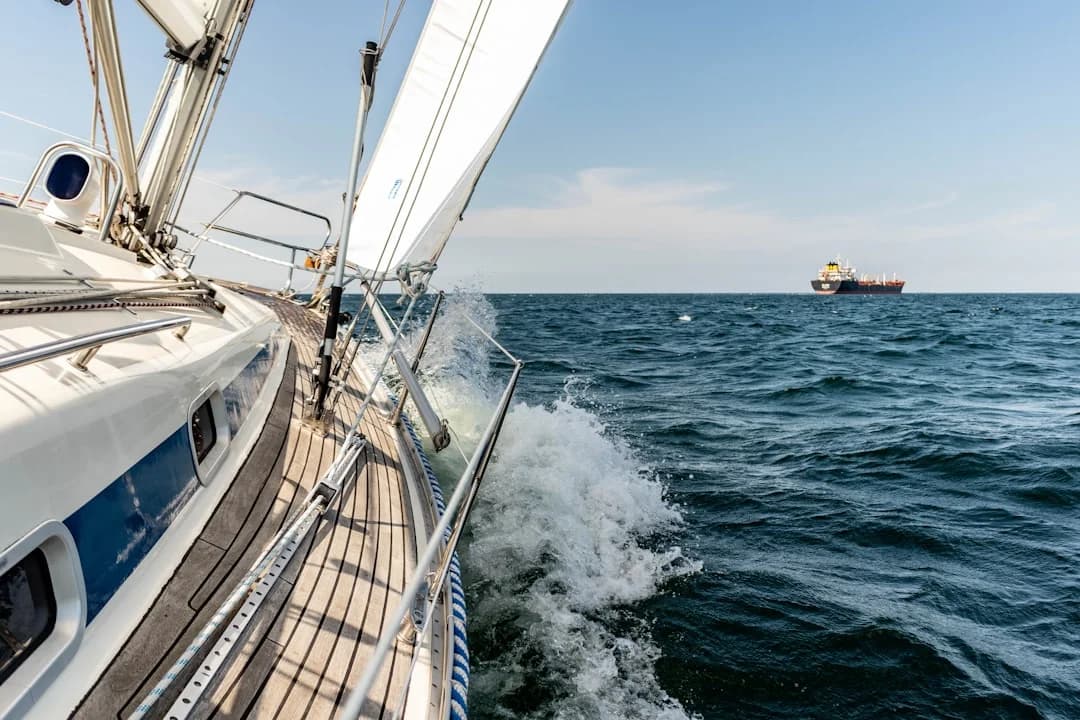
Amalfi Coast vs French Riviera Sailing Guide (Costs & Routes)
Compare Amalfi Coast vs French Riviera sailing—costs, crowds, mooring rules, best months, and 7-day routes. Choose your coast and plan now.
By Breezada Team
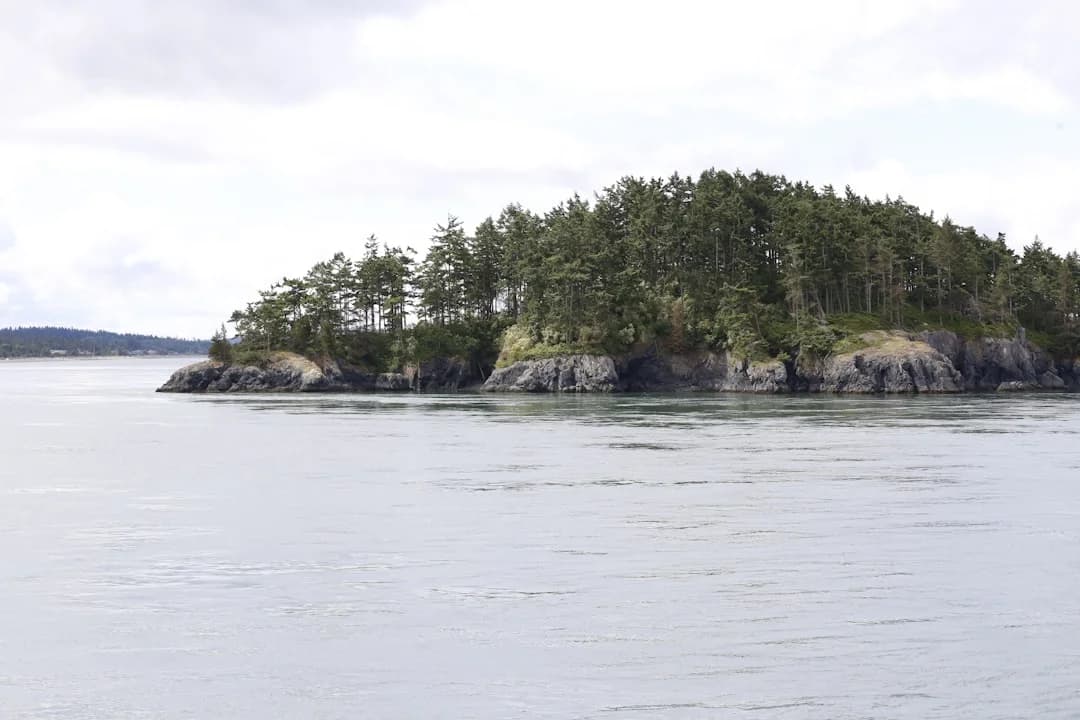
Puget Sound Cruising Guide to Gulf Islands Routes
Plan routes, anchorages, and weather windows with this Puget Sound cruising guide for the Gulf Islands & San Juans. Read now and start plotting.
By Breezada Team
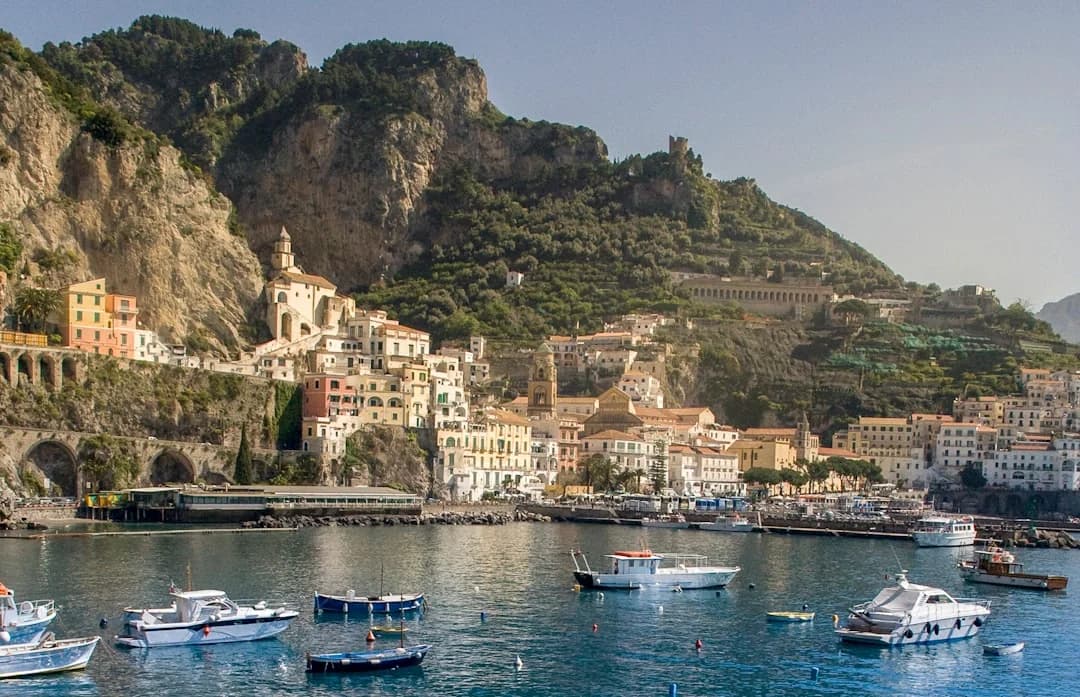
Sailing Amalfi Coast Guide: Ports, Anchorages & Rules
Sailing Amalfi Coast guide to Capri, Positano & Amalfi: best ports, anchorages, fees, VHF and rules. Plan your route—read now.
By Breezada Team
Dry Tortugas Sailing: Routes, Anchoring & Permits
Plan Dry Tortugas sailing from Key West with routes, weather windows, anchoring/moorings, and permits. Read the guide and plan your trip.
By Breezada Team