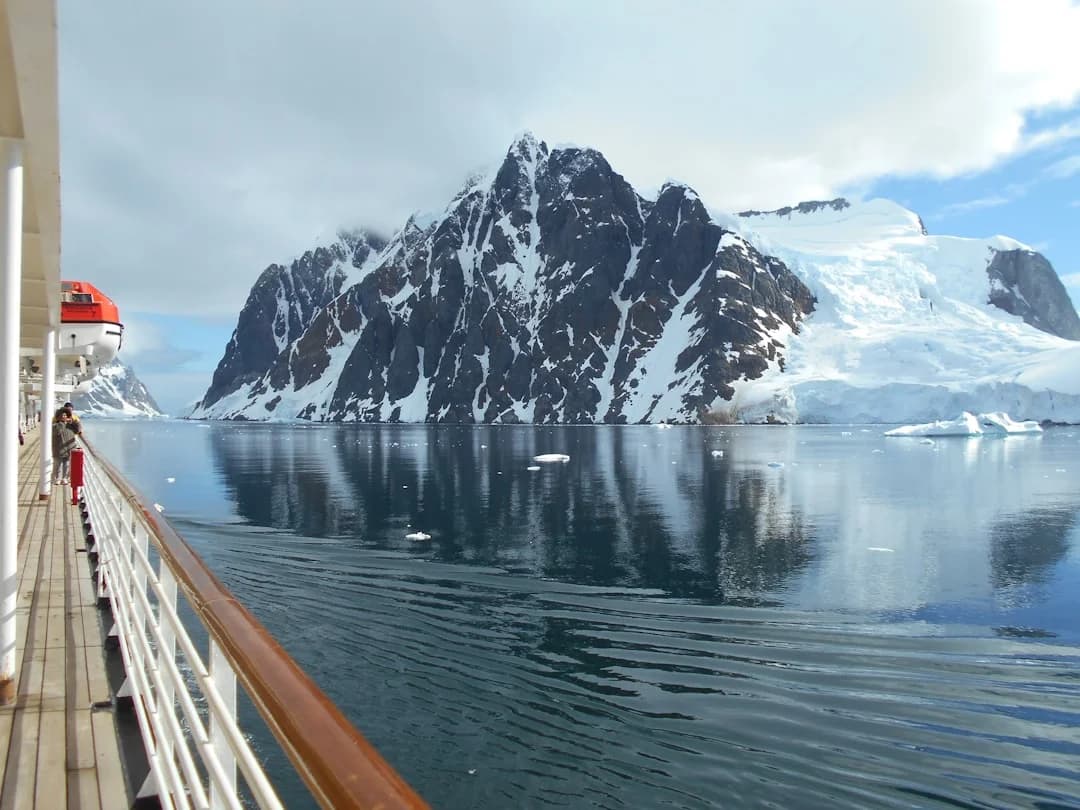
The Drake Passage is roughly 500 nautical miles of open ocean between the southern tip of South America and the Antarctic Peninsula — and it is, by most accounts, the most feared stretch of water on the planet. Sailing to Antarctica from Ushuaia means crossing it twice, and the experience will either be the highlight of your sailing life or the most miserable 48 hours you've ever spent at sea. Often both.
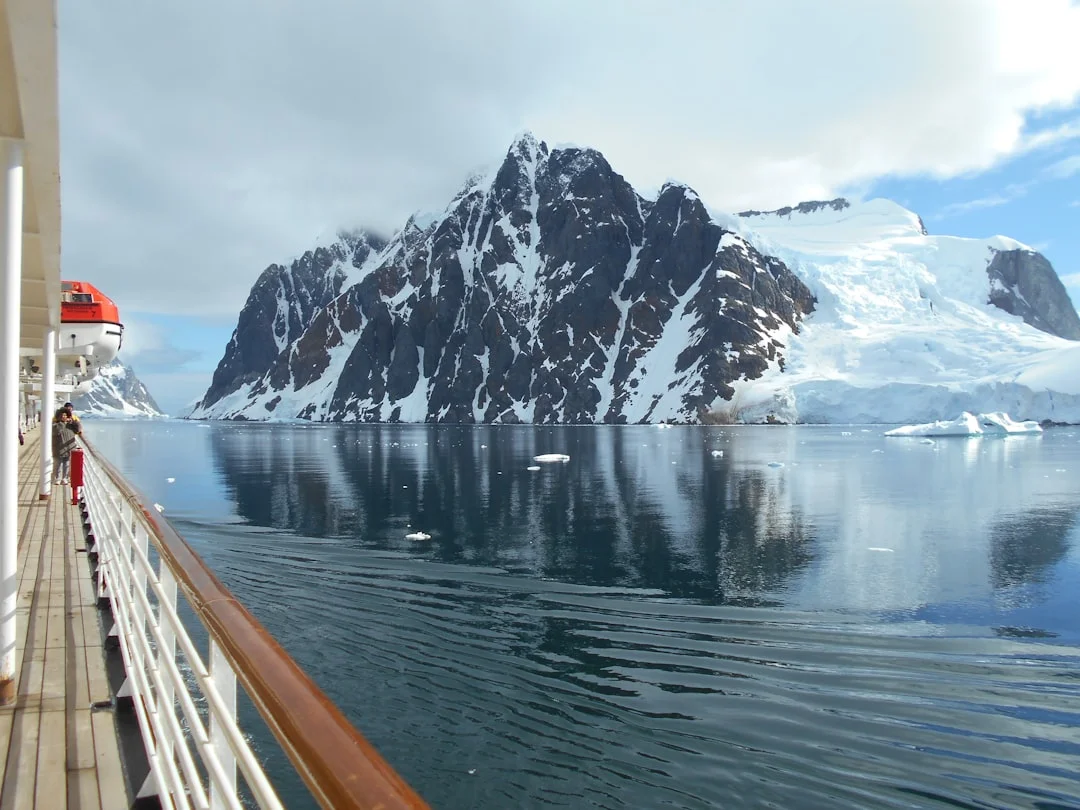
Photo by Lloyd Kimball on Unsplash
This guide covers everything you need to know about sailing from Ushuaia to Antarctica: the route, timing, weather, what it costs, what kind of vessel you need, and how to survive the Drake with your dignity mostly intact.
Ushuaia: The Gateway to Antarctica
Ushuaia sits at 54°48'S on the Beagle Channel, at the southernmost tip of Argentina's Tierra del Fuego. It calls itself "El Fin del Mundo" — the End of the World — and for Antarctic-bound sailors, that's accurate. Nearly every expedition to the white continent departs from here.
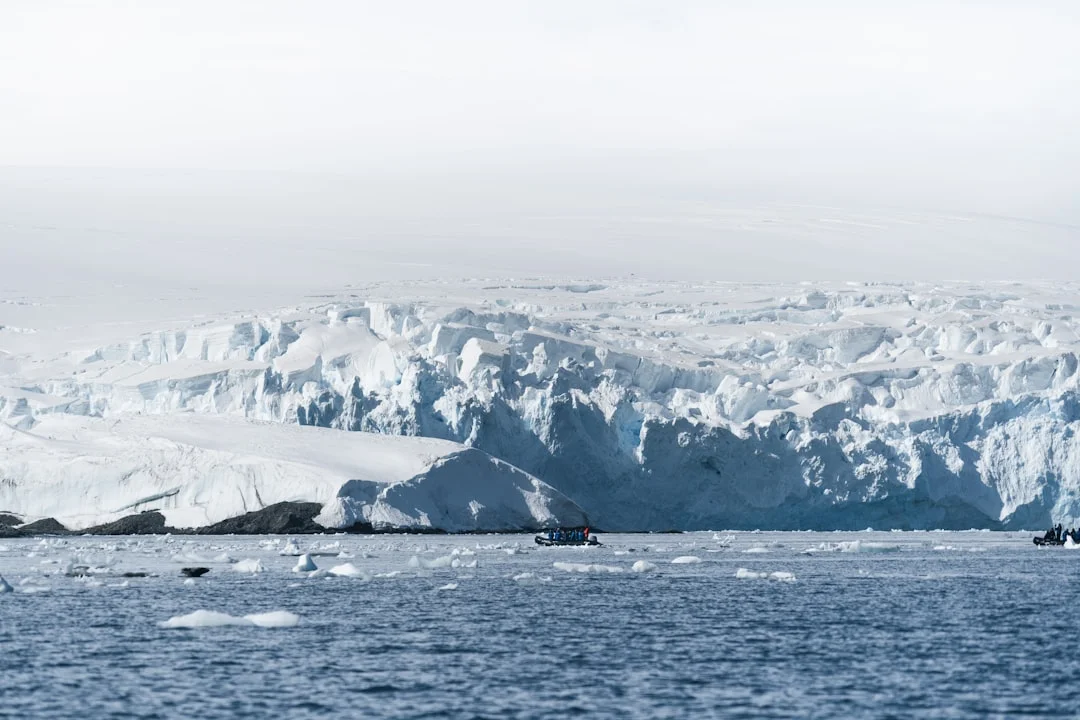
Photo by James Eades on Unsplash
The city has a surprisingly well-equipped port for provisioning and last-minute repairs. You'll find marine chandleries, diesel fuel docks, and mechanics who know their way around expedition vessels. The Argentine Naval Prefecture (Prefectura Naval) requires all vessels bound for Antarctic waters to file a detailed float plan, undergo a safety inspection, and carry specific equipment — including an EPIRB, life raft rated for polar waters, and sufficient fuel reserves for the return trip without any sailing at all.
Why Ushuaia over other departure points? Simple geography. You can calculate the distance between Ushuaia and the Antarctic Peninsula and compare it to alternatives like Punta Arenas (Chile), Port Stanley (Falklands), or Cape Town (South Africa). From Ushuaia to the South Shetland Islands, you're looking at roughly 500 nm — compared to 600+ nm from the Falklands or a brutal 3,800+ nm from Cape Town. The math is obvious.
Most private yachts spend 3-7 days in Ushuaia before departure, handling paperwork, topping off tanks, and waiting for a weather window.
Understanding the Drake Passage
The Drake Passage occupies the gap between Cape Horn (56°S) and the South Shetland Islands (62°S). It's where the Atlantic, Pacific, and Southern Oceans collide. The Antarctic Circumpolar Current — the world's most powerful ocean current — pushes an estimated 150 million cubic meters of water per second through this bottleneck. That's more than 600 times the flow of the Amazon River.
What makes the Drake uniquely challenging isn't just wind or waves — it's the absence of any landmass to break the fetch. Winds in the Southern Ocean can blow uninterrupted around the entire globe. When a low-pressure system moves through (and they move through constantly), it generates swells that have been building since, effectively, forever.
The Drake Lake vs. The Drake Shake
Sailors talk about two versions of this crossing:
| Condition | Drake Lake | Drake Shake |
|---|---|---|
| Wind | Under 20 knots | 35-60+ knots |
| Seas | 2-3 meter swells | 6-12 meter swells |
| Duration | 36-48 hours | 48-72 hours |
| Mood on board | Grinning, photos | Silence, ginger tea |
| Probability | ~30% of crossings | ~40% of crossings |
The remaining 30% fall somewhere in between — uncomfortable but manageable. The honest truth is that a perfectly calm Drake crossing is the exception, not the rule. Plan for the shake; be grateful for the lake.
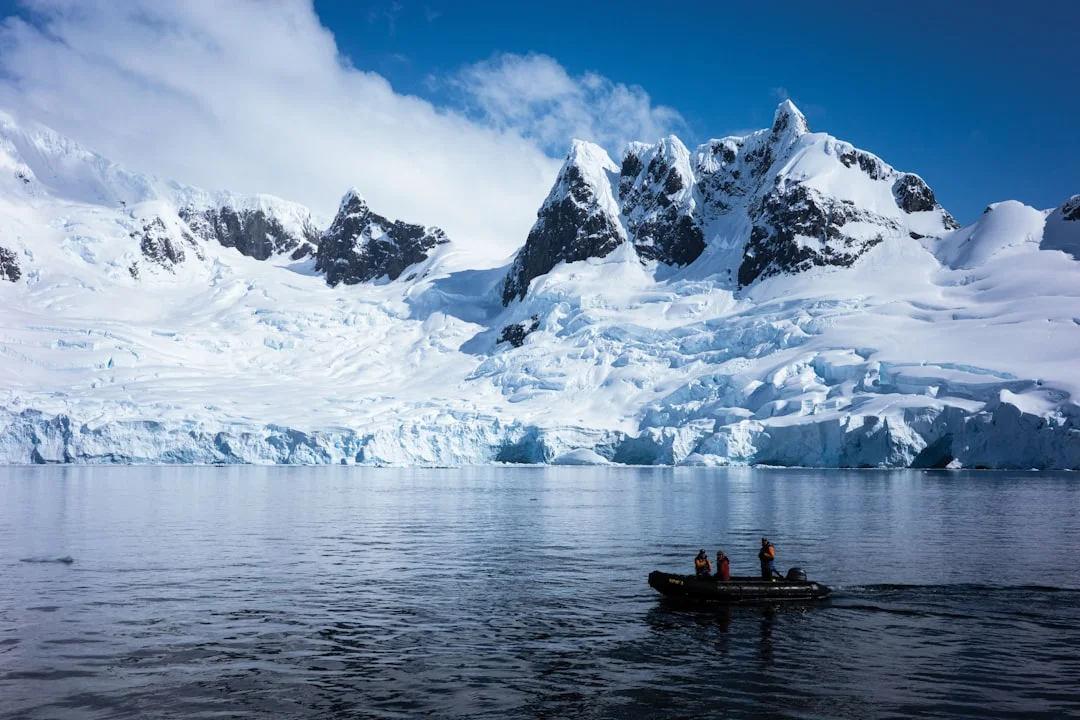
The Convergence Zone
Somewhere around 60°S, you'll cross the Antarctic Convergence — the biological boundary where cold Antarctic surface water sinks beneath warmer sub-Antarctic water. You'll know it before the GPS tells you: the air temperature drops 3-5°C within a few hours, fog rolls in, and suddenly there are albatrosses everywhere. The sea surface temperature plummets from roughly 6°C to 1-2°C. This is where the Southern Ocean truly begins, and the first icebergs appear on radar.
Route Planning and Weather Windows
The Standard Route
From Ushuaia, most vessels motor east through the Beagle Channel, round Isla de los Estados (Staten Island) at the eastern tip of Tierra del Fuego, and then head south-southwest across the Drake. The initial course is roughly 180° true toward the South Shetland Islands, adjusting for current and weather.
Key waypoints:
| Waypoint | Coordinates | Notes |
|---|---|---|
| Ushuaia departure | 54°48'S, 68°18'W | Exit Beagle Channel |
| Cape Horn (optional) | 55°59'S, 67°16'W | Some crews detour to log it |
| Drake mid-point | 58°30'S, 63°00'W | Deepest water, strongest current |
| Antarctic Convergence | ~60°00'S | Temperature drop, possible fog |
| King George Island | 62°00'S, 58°47'W | First South Shetland Island |
| Deception Island | 62°58'S, 60°39'W | Popular first anchorage |
Use Breezada's sea distance calculator to plot the exact nautical miles between your planned waypoints. The direct distance is roughly 500 nm, but weather routing often adds 50-100 nm to the actual track.
Weather Window Strategy
The single most important decision in the entire voyage is when to leave. Getting this wrong can mean the difference between an uncomfortable crossing and a genuinely dangerous one.
Sources for weather data:
- GRIB files via PredictWind, Expedition, or OpenCPN — download before departure and update via satellite
- Chilean Navy weather bulletins — broadcast on HF radio, covering the Drake
- Ushuaia port meteorological office — free briefings for departing vessels
- Satellite phone weather routing services — Commander's Weather and others offer dedicated Drake routing
What to look for:
- A high-pressure ridge moving east across the Drake, creating a window of 48-72 hours of moderate winds (under 30 knots)
- No deep lows forecast to develop south of 55°S during your crossing window
- Favorable current — the ACC generally flows west to east, but eddies can create headcurrents
What to avoid:
- Departing ahead of a developing low — you'll be caught in the worst of it mid-Drake with no shelter
- Crossing when two low-pressure systems are forecast to merge south of your track
- Ignoring barometric trends — a falling barometer of more than 5 hPa in 3 hours means trouble is close
Most experienced Drake sailors will wait up to two weeks in Ushuaia for a proper window. Patience here pays off enormously.
The Sailing Season
The Antarctic sailing season runs from late November through early March, with peak conditions in December and January. Here's how the season breaks down:
| Period | Conditions | Best For |
|---|---|---|
| Late November | Pack ice still breaking up, Drake more volatile | Seeing untouched snow, fewer vessels |
| December | Ice clearing, long daylight (20+ hours), wildlife breeding | Photography, penguin colonies |
| January | Warmest temps (-2°C to 5°C), most stable weather | First-timers, best weather windows |
| February | Whale season peaks, penguin chicks hatching | Wildlife, whale encounters |
| Early March | Days shortening, ice reforming, Drake worsening | Experienced sailors only |
Day length matters. In late December, you get roughly 20-22 hours of usable daylight at 62-65°S. This is critical for ice navigation — you need to see what's floating ahead of you.
Vessel Requirements
Private Yachts
Sailing to Antarctica on a private yacht is not for beginners. The vessel requirements are serious, and for good reason — if something goes wrong in the Drake, rescue is a long way off. If you're still building your sailing skills, it's worth reading our beginner's guide to sailing before committing to an expedition of this magnitude.
Minimum vessel specifications:
- Length: 40-65 feet — big enough to handle Southern Ocean conditions, small enough to anchor in Antarctic coves
- Hull: Steel or aluminum strongly preferred. Fiberglass is possible but requires reinforcement at the waterline for ice contact
- Rig: Cutter rig ideal for heavy weather; must be able to carry storm sails effectively
- Engine: Reliable diesel with at least 800 nm range under power alone
- Heating: Diesel-fired central heating — non-negotiable. Air temperatures range from -10°C to 5°C
- Navigation: Redundant GPS, radar (critical for ice), AIS, satellite phone, HF radio
- Safety: Life raft rated to -25°C, immersion suits for all crew, EPIRB, and a comprehensive medical kit
Expedition Charters
If you don't own a suitable yacht — and most people don't — joining an expedition charter is the most accessible way to sail to Antarctica. Several operators run annual voyages from Ushuaia on vessels ranging from 50-foot steel yachts to purpose-built expedition sailing ships.
Typical costs for expedition yacht charters:
| Option | Duration | Price Per Person |
|---|---|---|
| Shared berth, 50-65ft yacht | 21-28 days | $10,000-$18,000 |
| Shared berth, expedition ship | 14-21 days | $15,000-$35,000 |
| Private yacht charter | 21-30 days | $80,000-$200,000+ |
| Crewing position (work aboard) | 21-30 days | $3,000-$8,000 |
These prices generally include provisions and fuel but not flights to Ushuaia, travel insurance (mandatory), or Antarctic landing permits. For a broader look at what yacht charters cost across different regions, our yacht charter cost and pricing guide breaks it down by boat type and destination.
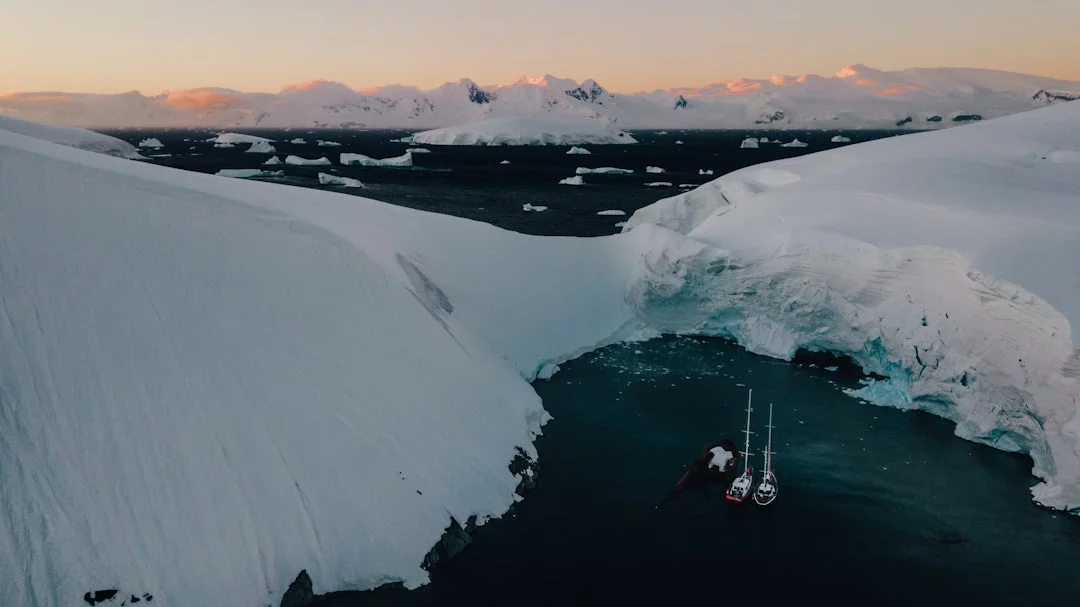
Photo by Tetiana GRY on Unsplash
What to Expect During the Crossing
Day 1: Beagle Channel to Open Ocean
You'll motor east through the Beagle Channel — calm, scenic, surrounded by snow-capped peaks. Enjoy it. This is the last sheltered water you'll see for a while. Once you round the eastern tip of Tierra del Fuego and enter the open Atlantic, the swell builds quickly. Most crews set a watch schedule and get their first taste of what's ahead.
Day 2: Deep Drake
By the second day, you're in the thick of it. The continental shelf drops away, the seabed plunges to 4,000-5,000 meters, and the swells grow accordingly. Even on a "Drake Lake" crossing, expect 3-4 meter swells — enough to make cooking interesting and sleeping a full-contact sport.
Seasickness peaks here. Even experienced sailors often lose the first 12-24 hours to nausea. Scopolamine patches, applied behind the ear 8 hours before departure, are the most reliable pharmaceutical option. Ginger, acupressure bands, and staring at the horizon all help. Greasy food and reading below decks do not.
The watch routine becomes everything. Four hours on, four hours off. Sleep in your foul weather gear. Keep hot water in thermoses. Someone makes soup. Someone opens the rum. The albatrosses follow.
Day 3: The Convergence and Beyond
The temperature drops. The light changes — it becomes flat, diffuse, almost silver. Icebergs appear first on radar, then as white shapes on the horizon that don't behave like waves. The first one you see in person is always bigger than you imagined.
Navigation shifts from weather routing to ice avoidance. Radar becomes your primary tool. Keep a dedicated crew member on visual watch at all times. Even small growlers (house-sized chunks of ice) can hole a fiberglass yacht.
Days 3-4: Landfall
The South Shetland Islands appear through the mist — volcanic, black rock against white ice. Most vessels make their first anchorage at Deception Island, a flooded volcanic caldera you sail into through a narrow gap called Neptune's Bellows. The water inside is calm, the shore is volcanic black sand, and there might be steam rising from geothermal vents. After two or three days on the Drake, it feels like arriving on another planet.
Antarctic Navigation and Regulations
IAATO Guidelines
The International Association of Antarctica Tour Operators (IAATO) sets voluntary but widely followed guidelines for vessel operations in Antarctic waters. Even private yachts should follow them:
- No more than 100 people ashore at any landing site at one time
- Maintain a 5-meter distance from wildlife (in practice, the penguins often close this gap themselves)
- No removal of any biological or geological specimens
- Strict biosecurity: clean all gear to prevent introducing non-native species
- Report all wildlife observations to IAATO databases
Antarctic Treaty Requirements
All vessels entering Antarctic Treaty waters (south of 60°S) must have authorization from a Treaty signatory nation. For Argentine-flagged departures from Ushuaia, the Argentine Antarctic program handles this. Other nationalities may need permits from their own national Antarctic authority — arrange this months before departure, not days.
The Return Crossing
Here's the part nobody talks about enough: you have to cross the Drake again to get home. The return crossing is often psychologically harder. The adrenaline of heading toward Antarctica is gone, replaced by the reality of 500 nm of open ocean standing between you and a hot shower.
The return route typically follows the same track in reverse. Smart captains will time the return to catch the tail end of a high-pressure system, ideally with following winds and a favorable current component. If conditions cooperate, a northeast-bound crossing can be faster — the prevailing westerlies push you along rather than bashing you on the beam.
You can verify distances between your planned waypoints to estimate fuel requirements for the return leg. Always carry a minimum 30% fuel reserve above calculated consumption — the Drake has a way of demanding more engine hours than your routing software predicted.
Essential Gear Checklist
Personal gear for the Drake:
- Offshore foul weather jacket and salineras (bib trousers) — Gore-Tex or equivalent
- Insulated mid-layers: merino wool base, fleece mid, down puffy
- Waterproof gloves (two pairs minimum — one set will always be wet)
- Insulated, non-slip sea boots
- Polarized sunglasses with retainer strap (Antarctic UV is brutal, especially with ice reflection)
- Scopolamine patches and backup seasickness medication
- Dry bags for electronics and personal items
- Thermos — your best friend during night watches
Vessel additions for Antarctic waters:
- Ice searchlight (bow-mounted, minimum 1 million candela)
- Reinforced bow — even if just sacrificial aluminum plates over fiberglass
- Heated cockpit spray dodger (some crews install diesel-fired cockpit heaters)
- Snow and ice removal tools (shovel, de-icer for running rigging)
- Emergency hull patching kit rated for below-waterline repairs
Budgeting Your Antarctic Sailing Expedition
The total cost of sailing to Antarctica and back from Ushuaia varies enormously depending on whether you're on your own yacht or chartering. Here's a rough breakdown for a private yacht:
| Expense | Estimated Cost |
|---|---|
| Ushuaia port fees and provisioning | $2,000-$4,000 |
| Fuel (diesel, 800-1200L) | $1,500-$3,000 |
| Antarctic permits and insurance | $3,000-$8,000 |
| Satellite communication (30 days) | $500-$1,500 |
| Emergency equipment upgrades | $2,000-$5,000 |
| Contingency / repairs | $3,000-$5,000 |
| Total (own yacht, 4 crew) | $12,000-$26,500 |
If you're comparing this to a long ocean passage like an Atlantic crossing, the Drake is shorter in distance but more expensive per mile — polar-rated equipment, mandatory insurance, and permit fees add up fast.
Frequently Asked Questions
How long does it take to sail from Ushuaia to Antarctica?
The crossing of the Drake Passage itself takes 2-4 days each way, depending on weather conditions and vessel speed. A typical motor-sailor averaging 6-7 knots in fair conditions will make the 500 nm crossing in about 3 days. The entire round-trip expedition — including time spent in Antarctic waters exploring the peninsula, South Shetland Islands, and various landing sites — usually runs 18-28 days from departure to return in Ushuaia.
What is the best month to sail to Antarctica?
January offers the most reliable weather windows, longest daylight hours (up to 22 hours), and warmest temperatures. December is excellent for pristine snow landscapes and penguin breeding activity. February brings peak whale watching — humpbacks are plentiful — and penguin chick hatching. November and March are possible but carry higher risk of poor Drake crossings and ice complications.
Do I need sailing experience to cross the Drake Passage?
For joining an expedition charter as paying crew, most operators require no prior sailing experience — the professional crew handles the vessel. However, you'll be more comfortable (and more useful) if you have basic sailing knowledge and offshore experience. For private yacht voyages, the skipper should have significant bluewater experience, ideally with previous Southern Ocean or high-latitude sailing. At minimum, one crew member should hold an Ocean Yachtmaster or equivalent certification.
Is sailing across the Drake Passage dangerous?
The Drake is serious but not reckless. With proper weather routing, a suitable vessel, and an experienced crew, the crossing is a manageable offshore passage — uncomfortable at times, certainly, but rarely life-threatening. The primary risks are knockdowns in severe storms, ice collision in poor visibility, and equipment failure far from rescue. Modern weather forecasting has significantly reduced the chances of being caught in the worst conditions. That said, the Drake demands respect. Vessels have been lost here, and emergency rescue response times are measured in days, not hours.
How much does it cost to sail to Antarctica?
Budget $10,000-$18,000 per person for a shared berth on an expedition yacht charter (21-28 days). Expedition cruise ships with sailing components run $15,000-$35,000. A full private yacht charter starts around $80,000. If you own your own yacht and split costs among 4 crew, expect $3,000-$7,000 per person for fuel, permits, provisions, and port fees — though this doesn't account for the cost of owning and maintaining an Antarctic-capable vessel.
What wildlife will I see sailing to Antarctica?
The Drake itself is a bird watcher's paradise — wandering albatrosses (3.5-meter wingspans), giant petrels, cape petrels, and storm petrels will follow your boat for days. Once in Antarctic waters, expect colonies of gentoo, chinstrap, and Adelie penguins, leopard seals, Weddell seals, humpback whales, minke whales, and occasionally orcas. The sheer density of wildlife in Antarctic waters during summer is unlike anything else on Earth.
About the Author
Related Articles

DSC Distress Call Guide: GMDSS, AIS, EPIRB & PLB
Learn the correct DSC distress call sequence, MMSI setup, and when to use AIS, EPIRB or PLB. Get it right—read the guide and drill it.
By Breezada Team
Sailing in Strong Currents: Tides, Tools & Examples
Learn sailing in strong currents with tide tools, rules of thumb, and real examples. Plan safer passages—read the guide and use the checklists.
By Breezada Team
NAVTEX for Sailing: SafetyNET Offshore Weather Guide
Learn NAVTEX & SafetyNET (Inmarsat-C) setup, filters, and what MSI to trust offshore. Get clearer forecasts—read the guide now.
By Breezada Team
Sailboat Hull Speed: Calculate It and Exceed It
Learn sailboat hull speed, the 1.34×√LWL formula, and when boats can exceed it. Get examples and tips—read now and calculate yours.
By Breezada Team