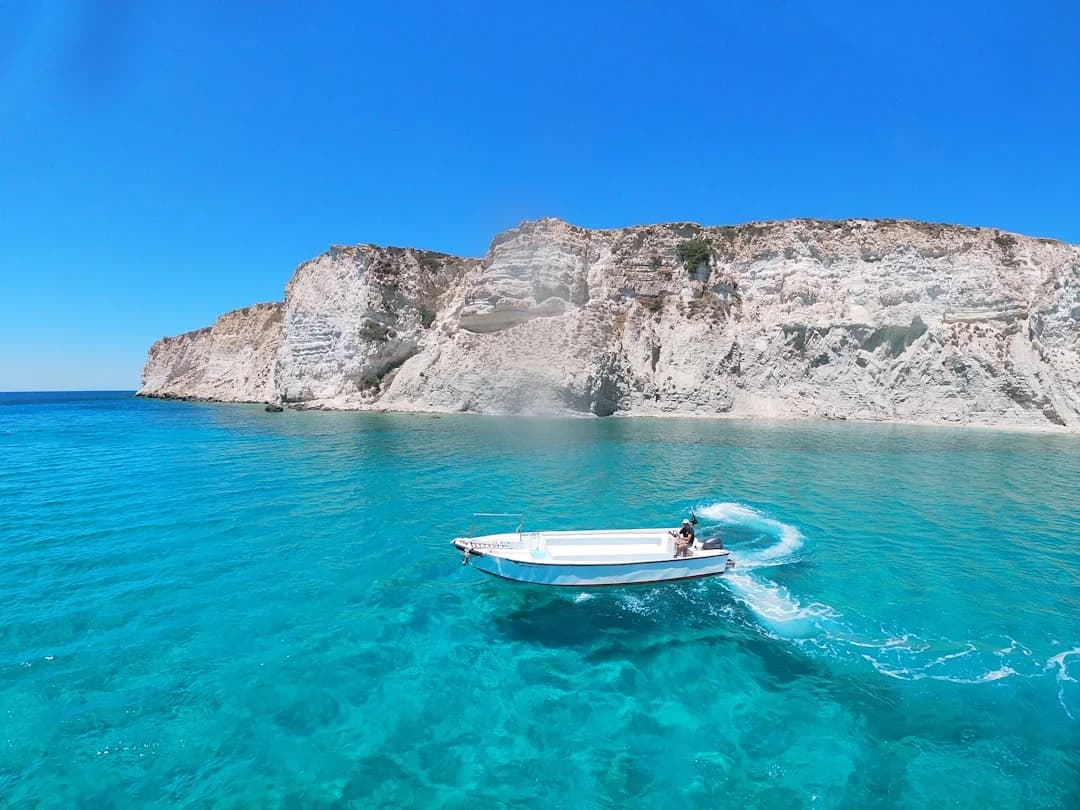
Greece puts roughly 6,000 islands and islets at your disposal, but only a fraction of them have marinas — and that's precisely the point. A yacht charter in Greece gives you access to anchorages, coves, and fishing villages that land-based tourists will never reach. Whether you're picking up a bareboat from Athens, island-hopping the Cyclades under sail, or threading through the sheltered Ionian, the country remains one of the best charter destinations in the Mediterranean for a reason.
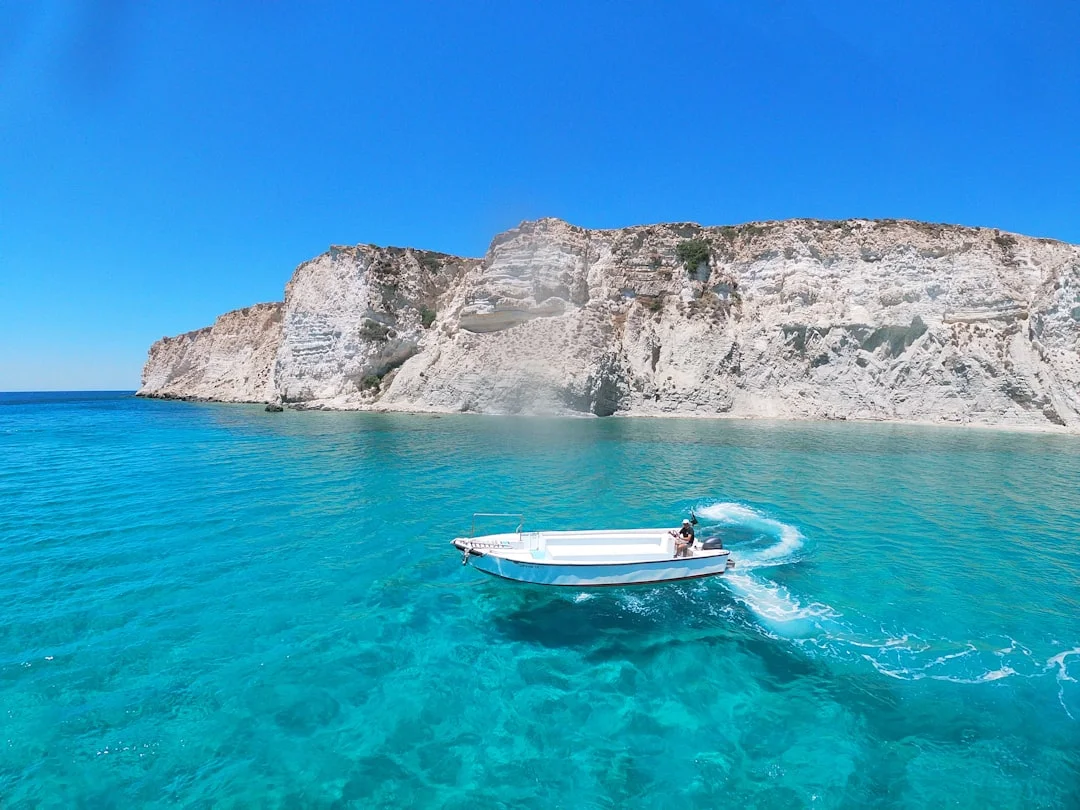
Photo by Elena Dimaki on Unsplash
Why Greece Dominates the Charter Market
The numbers tell the story. Greece accounts for roughly 30% of all Mediterranean yacht charters — more than Croatia, Turkey, and the French Riviera combined. The reasons are practical, not just scenic: predictable summer winds (the meltemi blows from the north at a reliable 15–25 knots through July and August), short inter-island passages averaging 15–30 nm, and a marina infrastructure that keeps expanding while charter fees remain lower than the western Med.
A week-long bareboat charter on a 40-foot monohull typically runs €2,000–€4,500 depending on season and boat age. Catamarans cost roughly 40–60% more. Add provisioning, marina fees, and fuel, and you're looking at €3,500–€7,000 all-in for a week — still well under what the Côte d'Azur or Amalfi Coast would charge. For a detailed cost breakdown by boat type and season, our yacht charter cost guide covers the full picture.
The Greek charter season runs from late April through late October, with two distinct peaks:
| Period | Wind | Crowds | Price Level |
|---|---|---|---|
| Late April – May | Light, variable | Low | Budget |
| June | Moderate meltemi building | Medium | Mid-range |
| July – August | Strong meltemi (15–25 kt) | High | Peak |
| September | Meltemi easing | Medium | Mid-range |
| October | Light, occasional storms | Low | Budget |
September is the sweet spot for most charterers — warm water, manageable winds, and shoulder-season pricing. If you're weighing Greece against other European waters, our country-by-country guide to sailing in Europe compares costs, winds, and seasons across the continent.
Chartering from Athens: The Saronic Gulf
Most first-timers in Greece start in Athens, specifically from the marinas at Lavrion (on the southeastern tip of Attica) or Alimos (closer to central Athens). Both are within an hour of Athens International Airport, making day-of-arrival embarkation realistic if you land before noon.
The Saronic Gulf — the body of water between Attica and the Peloponnese — is the most accessible sailing ground in Greece. Distances are short, the gulf is partially sheltered from the meltemi, and the islands offer a mix of history and good tavernas.
A typical Saronic week:
- Day 1: Lavrion → Kea (20 nm) — technically a Cycladic island, but an easy first-day sail
- Day 2: Kea → Hydra (30 nm) — car-free island, spectacular harbor entrance
- Day 3: Hydra → Spetses (12 nm) — gentle reach along the Argolic coast
- Day 4: Spetses → Nafplio (20 nm) — mainland stop, Venetian fortress, best gelato in the Peloponnese
- Day 5: Nafplio → Poros (22 nm) — clock tower views, decent provisioning
- Day 6: Poros → Aegina (15 nm) — pistachio capital of Greece, Temple of Aphaia
- Day 7: Aegina → Lavrion (25 nm) — final crossing back
Total distance: roughly 144 nm over seven days. You can calculate the exact distance between any of these ports to fine-tune your itinerary.
The Saronic is ideal for families, inexperienced crews, and anyone who wants to ease into Greek sailing before tackling the Cyclades.
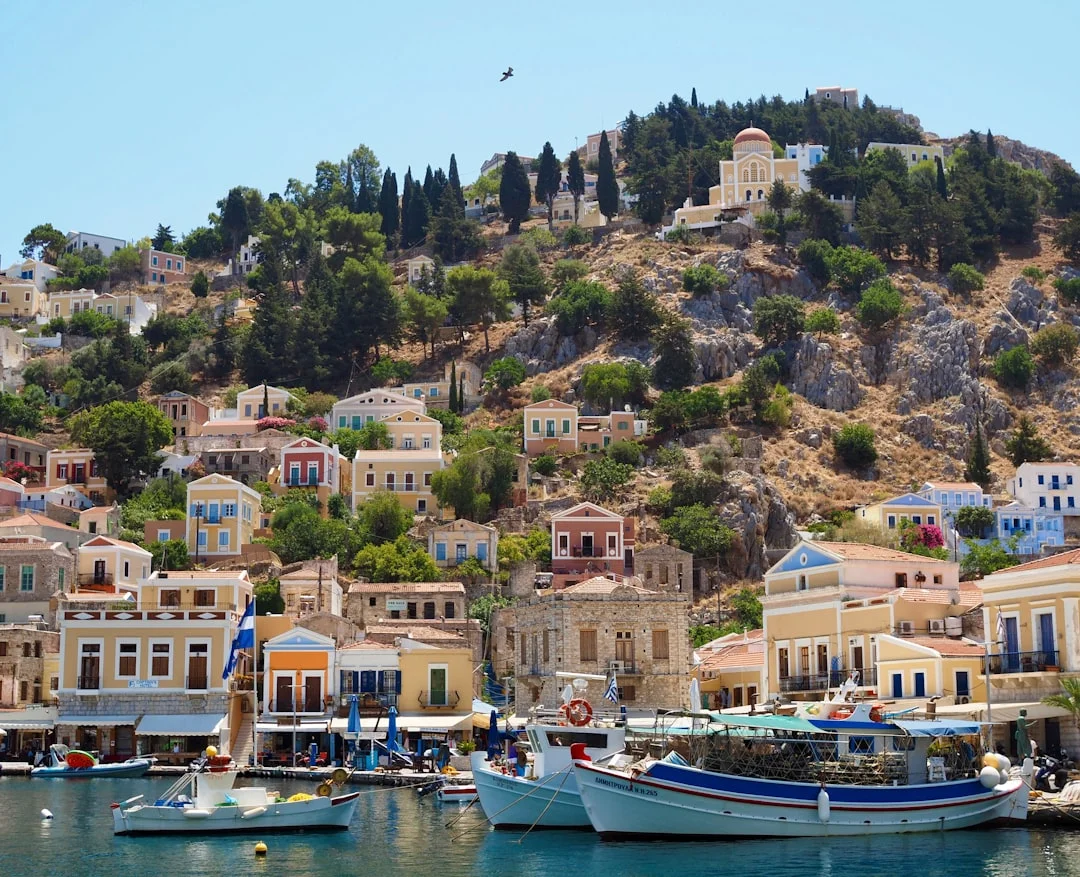
Photo by Dimitris Kiriakakis on Unsplash
The Cyclades: Greece's Iconic Island Chain
The Cyclades are what most people picture when they think of Greece — whitewashed villages, blue-domed churches, and the deep indigo of the Aegean. They're also the most challenging charter ground in the country, primarily because of the meltemi.
This northerly wind funnels between the islands and accelerates in the channels, particularly between Mykonos and Tinos, and in the strait south of Paros. In July and August, sustained winds of 20–30 knots are common, with gusts higher. It's exhilarating sailing, but it demands competent crew and a solid understanding of weather routing.
Cyclades Charter Bases
- Lavrion: The main jumping-off point. Direct access to Kea, Kythnos, and the western Cyclades
- Syros (Ermoupoli): Central location, the administrative capital of the Cyclades — underrated and far less crowded than Mykonos
- Paros (Parikia): Growing charter base in the heart of the chain
The Classic Cyclades Route (Two Weeks)
For crews with at least intermediate experience, the two-week Cyclades circuit is one of the finest sailing itineraries in the world:
Week 1: Western Cyclades
- Lavrion → Kea → Kythnos → Serifos → Sifnos → Milos
Week 2: Central and Eastern Cyclades
- Milos → Folegandros → Santorini → Amorgos → Naxos → Paros → Syros → Lavrion
The total distance runs around 280–320 nm, depending on side trips. Milos alone is worth two nights — the volcanic coastline produces some of the most dramatic anchorages in the Mediterranean, including Kleftiko (accessible only by boat) and Sarakiniko's lunar white rock formations.
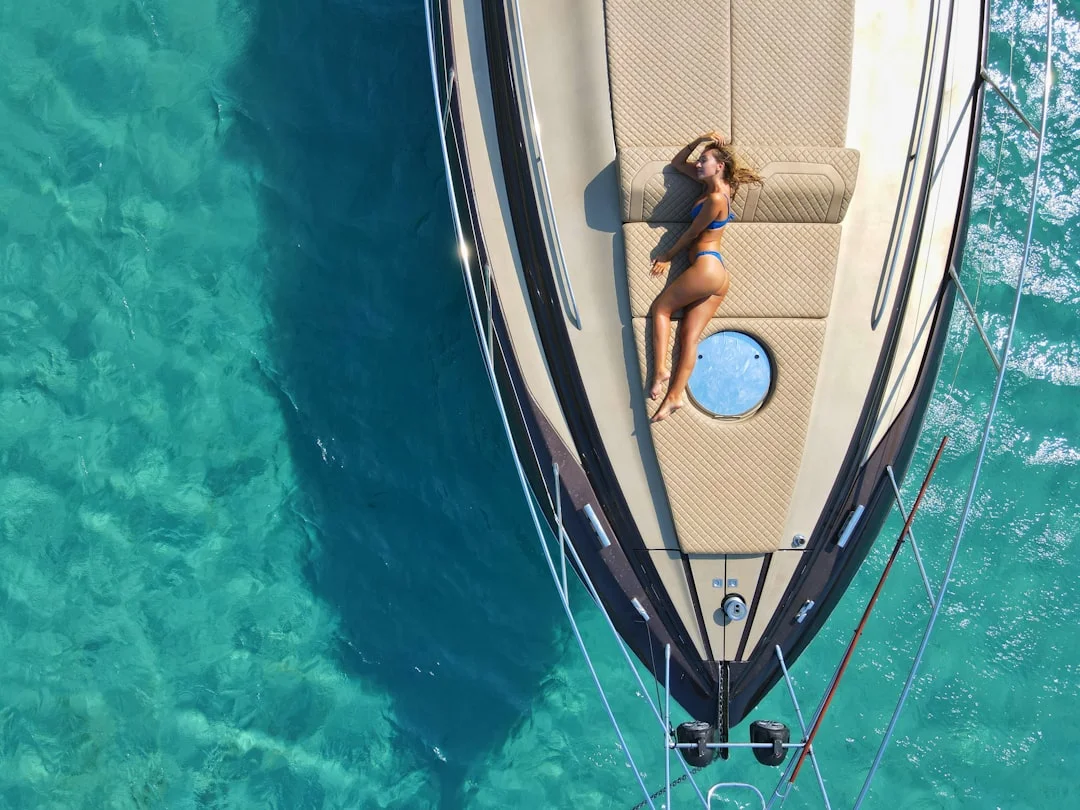
Photo by Dimitris Kiriakakis on Unsplash
Cyclades Tips That Charter Companies Won't Tell You
Santorini's anchorage is problematic. The caldera looks stunning, but the holding is poor (volcanic ash over hard rock), the water is 300+ meters deep in the center, and the swell wraps around from both sides. Most charter boats pick up one of the commercial mooring buoys at Fira — expect to pay €80–120/night — or skip the overnight and do a day visit from Ios or Anafi instead.
Amorgos is worth the detour. It sits east of the main Cycladic cluster, which means fewer boats and some of the clearest water you'll find. The monastery of Hozoviotissa, clinging to a 300-meter cliff face, is one of Greece's most striking sights. The anchorage at Katapola is protected from the meltemi.
Provisioning varies wildly. Naxos and Paros have full supermarkets and fresh produce. Folegandros has a single minimarket with optimistic pricing. Plan your victualing accordingly.
For a deeper look at what makes each island group special, our guide to the best Greek islands for sailing breaks it down region by region.
The Ionian Islands: Gentler Waters, Greener Shores
If the Cyclades are the Aegean's wild side, the Ionian Islands are its kinder sibling. Tucked against Greece's western coast, the Ionian chain — Corfu, Paxos, Lefkada, Ithaca, Kefalonia, and Zakynthos — offers sheltered sailing, lighter winds, and an entirely different character from the Aegean.
The landscape here is lush and green, more reminiscent of Italy (Corfu's architecture owes much to four centuries of Venetian rule). The water is a different shade — turquoise rather than deep blue — and the prevailing summer breeze is a gentle northwest thermal that builds to 8–15 knots in the afternoon and dies at sunset. Perfect for sundowner sailing.
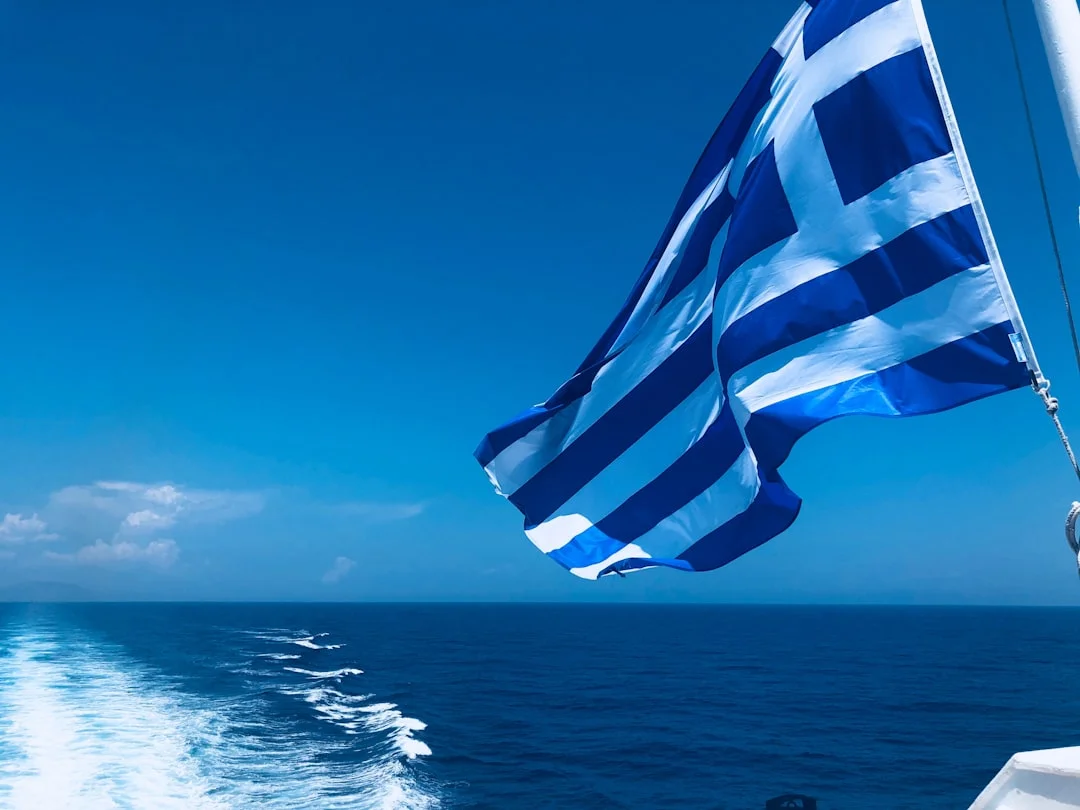
Photo by Lisa Boonaerts on Unsplash
Ionian Charter Bases
- Lefkada (Lefkas Marina): The most popular starting point — no ferry needed, connected to the mainland by a bridge
- Corfu (Gouvia Marina): Northern base, good for exploring Paxos and the Albanian coast
- Preveza: Mainland base near Lefkada, well-serviced
A Week in the Ionian
Here's a route I've recommended to dozens of first-time charter crews:
- Day 1: Lefkada → Meganisi, Vathi (8 nm) — tiny island, gorgeous fjord-like inlet
- Day 2: Meganisi → Kastos (10 nm) — one taverna, one church, crystalline water
- Day 3: Kastos → Ithaca, Vathi (18 nm) — Odysseus' home island, stunning natural harbor
- Day 4: Ithaca → Fiskardo, Kefalonia (12 nm) — the prettiest village in the Ionian, Venetian houses still standing after the 1953 earthquake
- Day 5: Fiskardo → Paxos (35 nm) — the longest leg, but worth it for the sea caves on the west coast
- Day 6: Paxos → Antipaxos → Sivota (15 nm) — stop at Antipaxos for a swim in water that looks artificially blue, then cross to the mainland
- Day 7: Sivota → Lefkada (25 nm) — coast-hop back
Total: approximately 123 nm. Use Breezada's sea distance calculator to verify distances between waypoints and plan your daily legs.
The Ionian is the best choice for families with young children, novice crews, and anyone who values calm anchorages over adrenaline sailing. It's also significantly less crowded than the Cyclades in peak season.
Choosing Your Charter Type
Greece accommodates every level of independence:
| Charter Type | Best For | Weekly Cost (40 ft) | Crew Needed? |
|---|---|---|---|
| Bareboat | Experienced sailors (RYA Day Skipper or equivalent) | €2,000–4,500 | Your own crew |
| Skippered | Want to sail but not navigate | €2,500–5,500 (incl. skipper fee) | Skipper provided |
| Crewed | Full luxury, zero effort | €8,000–25,000+ | Full crew |
| Flotilla | Social sailing, guided route | €2,200–4,000 | Lead boat available |
| Catamaran bareboat | Families, comfort priority | €3,500–8,000 | Your own crew |
Bareboat remains the most popular option in Greece — roughly 70% of all Greek charters. You'll need to present sailing qualifications (RYA/ICC/ASA) and a logbook showing offshore experience. Most companies ask for a minimum of 700 nm logged, though this is negotiable if you have relevant experience.
Flotilla sailing is big in the Ionian, where companies like Sunsail and Sailing Holidays run weekly flotillas from Lefkada. You sail your own boat but follow a lead yacht and have a support crew if things go sideways. It's a good middle ground between bare-boat independence and the security of knowing someone has your back.
Practical Considerations
Paperwork and Regulations
Greece requires a Transit Log (DEKPA) for all charter vessels, issued at the first port authority after embarkation. The charter company typically handles this, but you'll need passports and crew list. Non-EU boats must also clear customs — add a half-day buffer if arriving from Turkey or the Dodecanese.
Since 2024, the Greek government has been piloting a Sailing Tourist Tax on certain high-traffic islands (Mykonos, Santorini, Hydra). Expect to pay €20–50 per day for anchoring or mooring in designated areas during peak season. Fees are collected digitally.
Marina Fees vs. Anchoring
Greece still has more free anchorages than paid berths, which is part of its appeal. A typical marina berth for a 40-foot yacht costs €25–60/night depending on location and season. Mykonos and Santorini charge premium rates. Many smaller islands have town quays where you can stern-to for free, buying your berth with a dinner at the nearest taverna — a tradition that's slowly fading but hasn't disappeared.
Provisioning Strategy
Stock up at a major port before heading to smaller islands. The best provisioning stops:
- Athens/Lavrion: Full supermarkets, chandleries, good fresh markets
- Syros (Ermoupoli): Largest town in the Cyclades, excellent produce market
- Naxos: Strong agricultural island, best local cheese and potatoes in the chain
- Lefkada town: Well-stocked supermarkets within walking distance of the marina
- Corfu (Gouvia): Large supermarket near the marina
When the Meltemi Catches You
It will, eventually, if you sail the Cyclades in summer. The key rules:
- Check weather daily — Poseidon weather service (poseidon.hcmr.gr) gives accurate 5-day forecasts for Greek waters
- Don't fight it — the meltemi is stronger than your schedule. Build buffer days into your itinerary
- Use island lee — anchor on the south side of islands when the north wind howls
- Harbor early — the meltemi typically peaks between 14:00 and 18:00, so plan morning departures and early arrivals
- Reef early — if the forecast says 20 knots, you'll see 25+ in the channels
Frequently Asked Questions
What qualifications do I need for a yacht charter in Greece?
For bareboat charters, you'll need a recognized sailing license — RYA Day Skipper, ICC (International Certificate of Competence), or equivalent ASA certification. Most companies also want to see a logbook with at least 700 nm of recorded experience and evidence of recent sailing. Skippered and crewed charters have no qualification requirements since a professional handles navigation.
What is the best time of year for a yacht charter in Greece?
September offers the best overall combination: the sea temperature is at its peak (25–27°C), the meltemi has eased to manageable levels, crowds have thinned, and charter rates drop 20–30% from peak. June is another strong choice, especially for the Cyclades, with milder winds and longer daylight hours. The Ionian works well from May through October due to its gentler wind patterns.
How much does a yacht charter in Greece cost per week?
A bareboat monohull (38–42 feet) costs €2,000–4,500/week depending on season, boat age, and company. Catamarans run €3,500–8,000/week. Add roughly €800–1,500 for provisioning, fuel, marina fees, and the transit log. Skippered charters add €150–200/day for the captain. All-inclusive crewed charters on luxury yachts start around €8,000/week and go much higher.
Is the Ionian or Cyclades better for beginners?
The Ionian, without question. Lighter winds (8–15 knots vs. 15–25+ in the Cyclades), shorter passages, better-sheltered anchorages, and no meltemi to contend with. The Cyclades reward experienced sailors but can overwhelm newcomers, particularly in July and August when the wind really builds.
Can I sail from the Ionian to the Cyclades on one charter?
Technically yes, but practically it's a stretch. The distance from Lefkada to Lavrion is roughly 250 nm around the Peloponnese — that's 3–4 sailing days just for the transit, leaving little time for actual cruising if you only have a week. For a two-week charter, it's feasible: sail the Ionian for week one, transit the Peloponnese (stopping at Methoni and Monemvasia), then enter the Saronic and western Cyclades for week two. Use Breezada's distance calculator to plot this route and check the total mileage.
Do I need to book my yacht charter in Greece far in advance?
For peak season (July–August), book 6–12 months ahead for the best boat selection, especially for newer catamarans. Shoulder season (May–June, September–October) is more forgiving — 2–3 months usually suffices. Last-minute deals appear in late September and October, particularly from Lavrion and Lefkada bases, when companies want to fill their final weeks before winter haul-out.
About the Author
Related Articles
Amalfi Coast vs French Riviera Sailing Guide (Costs & Routes)
Compare Amalfi Coast vs French Riviera sailing—costs, crowds, mooring rules, best months, and 7-day routes. Choose your coast and plan now.
By Breezada Team
Puget Sound Cruising Guide to Gulf Islands Routes
Plan routes, anchorages, and weather windows with this Puget Sound cruising guide for the Gulf Islands & San Juans. Read now and start plotting.
By Breezada Team
Sailing Amalfi Coast Guide: Ports, Anchorages & Rules
Sailing Amalfi Coast guide to Capri, Positano & Amalfi: best ports, anchorages, fees, VHF and rules. Plan your route—read now.
By Breezada Team
Dry Tortugas Sailing: Routes, Anchoring & Permits
Plan Dry Tortugas sailing from Key West with routes, weather windows, anchoring/moorings, and permits. Read the guide and plan your trip.
By Breezada Team